Does vitriol make you feel special?
Joshua Conrad Jackson.Veasey Conway/Harvard Staff Photographer Does vitriol make you feel special? Beyond the algorithm, online negativity takes on a life...
Understand new discoveries, the human body and the evidence behind the questions shaping our world.
AP Photo/Tony Avelar, File Will Meta settlement reduce physical, mental health risks for young users? Christina Pazzanese Harvard Staff Writer Aug...
Read the story
Joshua Conrad Jackson.Veasey Conway/Harvard Staff Photographer Does vitriol make you feel special? Beyond the algorithm, online negativity takes on a life...
Do you have a guilty AI secret? Illustration by Liz Zonarich/Harvard Staff Sy Boles Harvard Staff Writer July 28, 2026 5 min read Media, legal...
Soccer fans gather in a Los Angeles bar to watch the July 1 World Cup match between the U.S. and Bosnia.AP Photo/Andre Penner Bowling alone, yes. But watching...
Illustration by Liz Zonarich/Harvard Staff Is that bot a Pomeranian or a wolf — and who to sue when it ‘bites’? Isabella Roden Harvard Law School Comm...
Stories attracting readers, attention and momentum now.
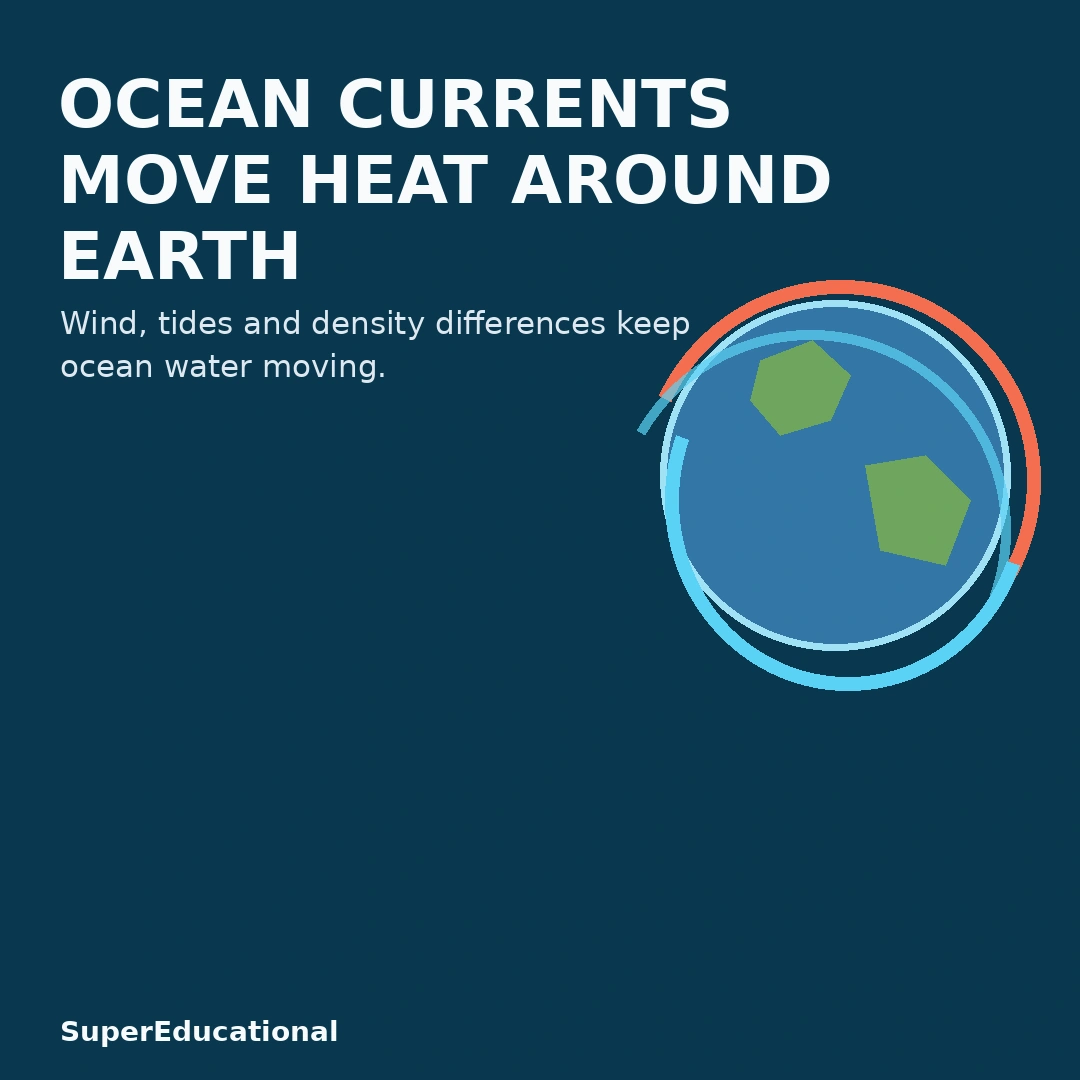
Ocean currents do far more than move seawater. Driven by winds, Earth's rotation, tides and differences in water density, they redistribute heat, bring nutrients towards the surface, influence ecosystems and weather, transport pollutants and connect distant parts of the planet.
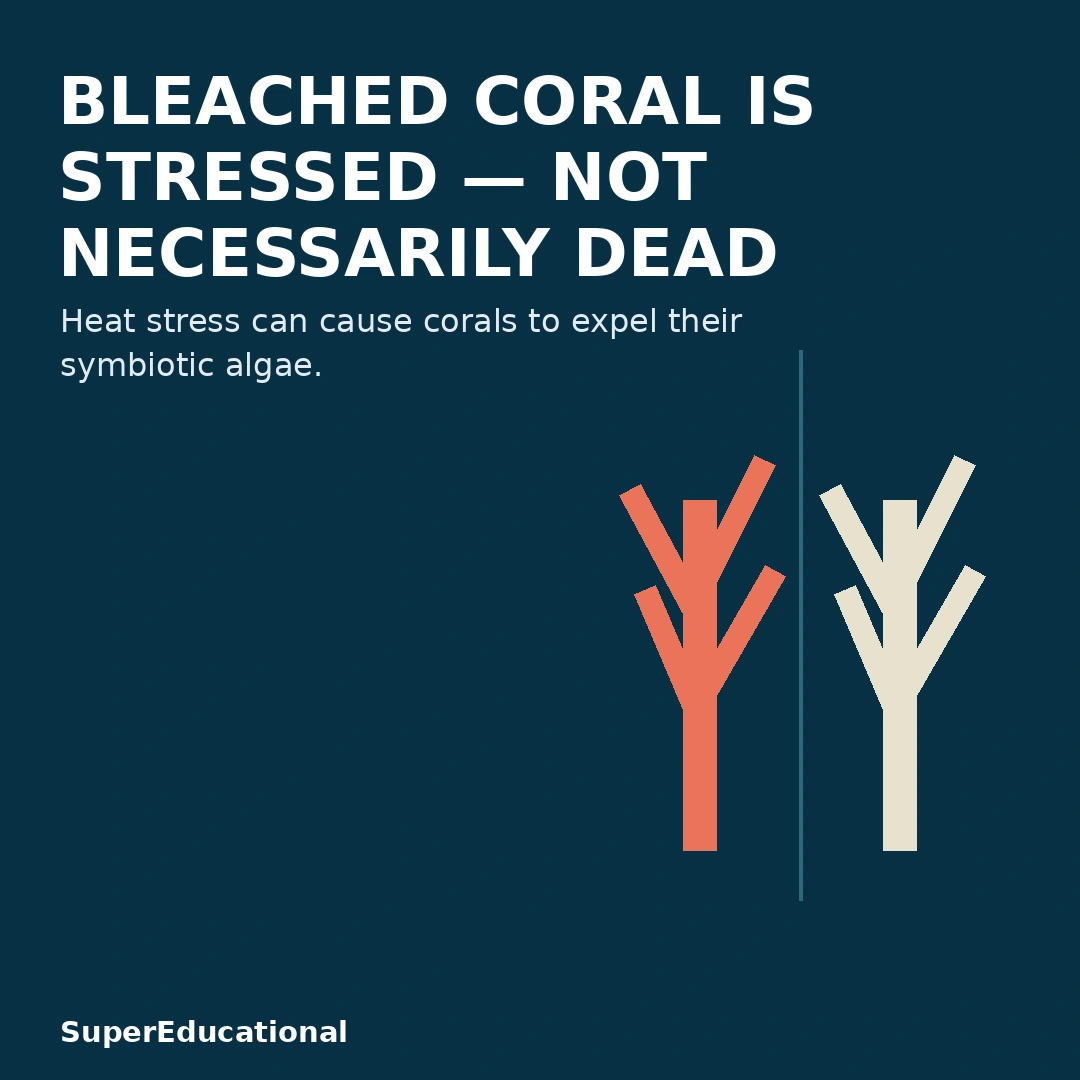
A bleached coral is under stress, but it is not necessarily dead. If conditions improve in time, some corals can regain their algae and recover.
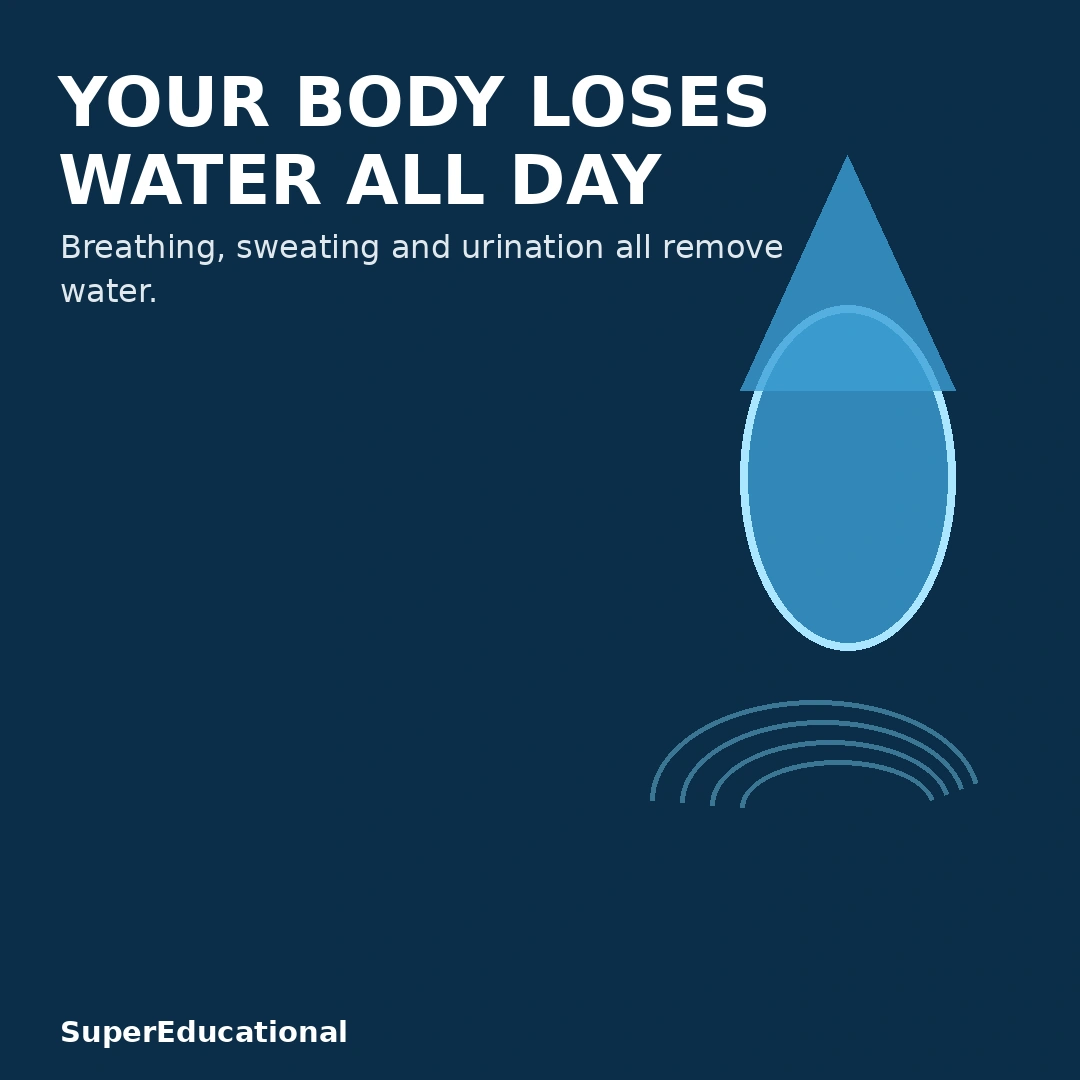
You don't need to be sweating to lose water. Your body continuously loses fluid through breathing, urination and other normal processes, which is why hydration is about replacing losses rather than chasing a universal number.
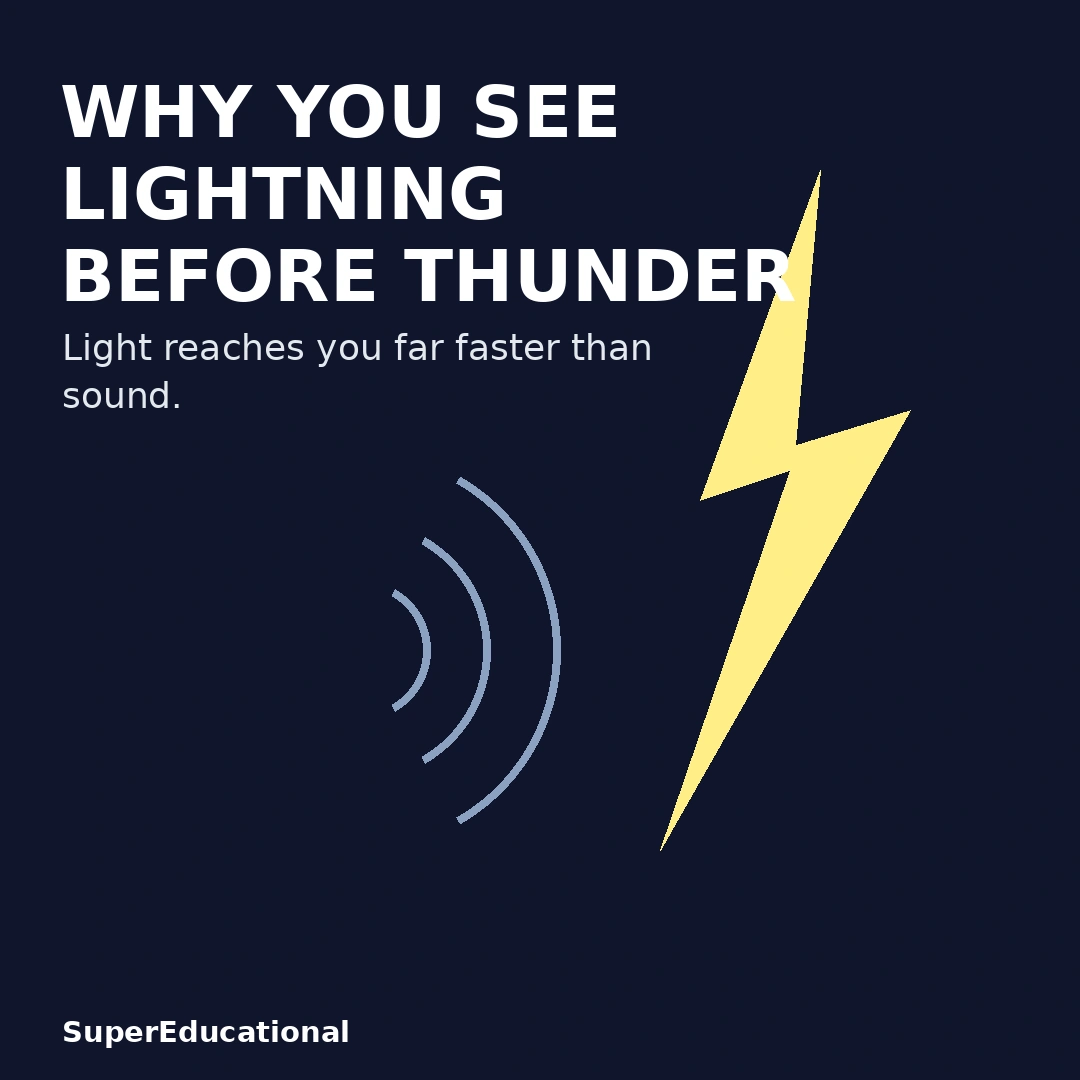
Lightning and thunder are produced by the same event, but light reaches us far faster than sound. Here's why—and how the delay can provide a rough estimate of distance.
Ocean currents do far more than move seawater. Driven by winds, Earth's rotation, tides and differences in water density, they redistribute heat, bring nutrients towards the surface, influence ecosystems and weather, transport pollutants and connect distant parts of the planet.
A bleached coral is under stress, but it is not necessarily dead. If conditions improve in time, some corals can regain their algae and recover.
You don't need to be sweating to lose water. Your body continuously loses fluid through breathing, urination and other normal processes, which is why hydration is about replacing losses rather than chasing a universal number.
Lightning and thunder are produced by the same event, but light reaches us far faster than sound. Here's why—and how the delay can provide a rough estimate of distance.
Software updates do more than introduce new features. Many contain security fixes for known vulnerabilities, making regular updates an important part of protecting your devices.
Why did sexual reproduction persist despite its biological costs? A new yeast experiment suggests genetic recombination can help populations avoid harmful evolutionary baggage and remain adaptable when environments change.
Joshua Conrad Jackson.Veasey Conway/Harvard Staff Photographer Does vitriol make you feel special? Beyond the algorithm, online negativity takes on a life...
Do you have a guilty AI secret? Illustration by Liz Zonarich/Harvard Staff Sy Boles Harvard Staff Writer July 28, 2026 5 min read Media, legal...
Soccer fans gather in a Los Angeles bar to watch the July 1 World Cup match between the U.S. and Bosnia.AP Photo/Andre Penner Bowling alone, yes. But watching...
Illustration by Liz Zonarich/Harvard Staff Is that bot a Pomeranian or a wolf — and who to sue when it ‘bites’? Isabella Roden Harvard Law School Comm...
Rubies decoded: ‘Color is just one piece of the puzzle’ Photos by Grace DuVal Anna Lamb Harvard Staff Writer July 8, 2026 3 min read Rare gems...