What Are Yardangs? How Wind Carves Landscapes on Mars and Earth
Learn what yardangs are, how wind abrasion and deflation carve them, how they differ from dunes, and what Curiosity's 2026 Mars observations reveal about long-term erosion.
Understand new discoveries, the human body and the evidence behind the questions shaping our world.
Sign in to follow
Improve your maths skills with a four-week study plan, a diagnostic quiz, daily 30-minute routine, worked examples, error notebook and progress tracker.
Read the story Save
Learn what yardangs are, how wind abrasion and deflation carve them, how they differ from dunes, and what Curiosity's 2026 Mars observations reveal about long-term erosion.
Learn why the Shrimp Nebula Sh2-188 is strongly asymmetric, how stellar winds and motion through interstellar gas create a bow shock and what models can reveal.
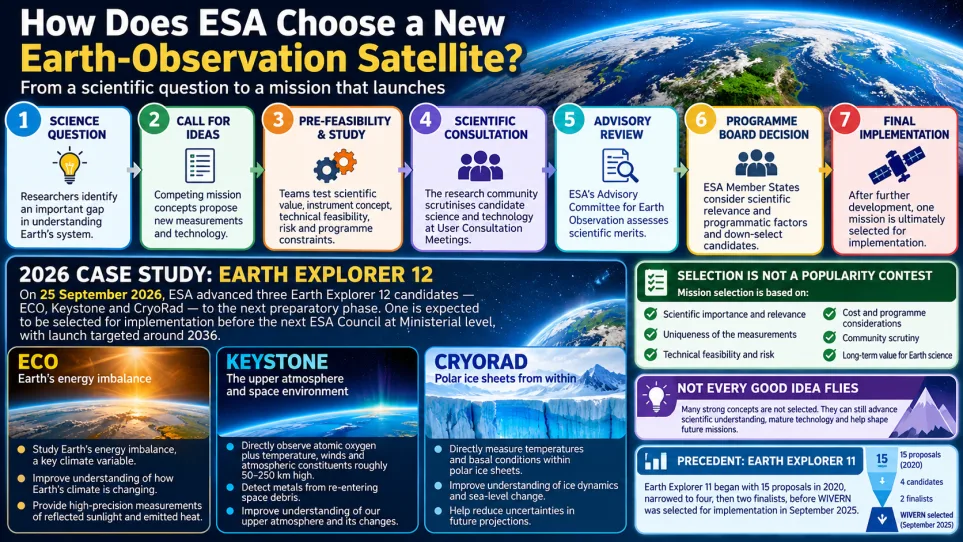
Learn how ESA’s Earth Explorer programme turns research questions into satellite missions, using ECO, Keystone and CryoRad as a 2026 case study.
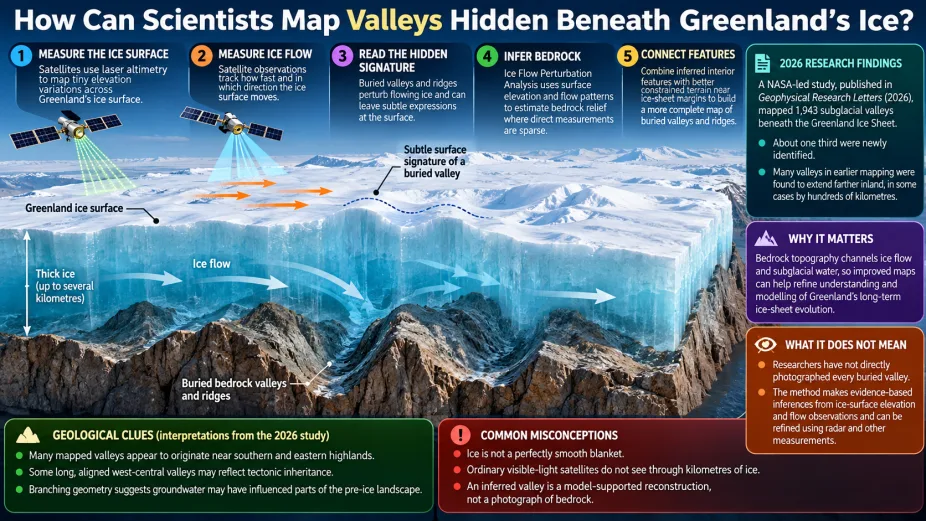
Learn how Ice Flow Perturbation Analysis reveals valleys hidden beneath Greenland’s ice, why bedrock topography matters and where the method’s uncertainties lie.
Stories attracting readers, attention and momentum now.
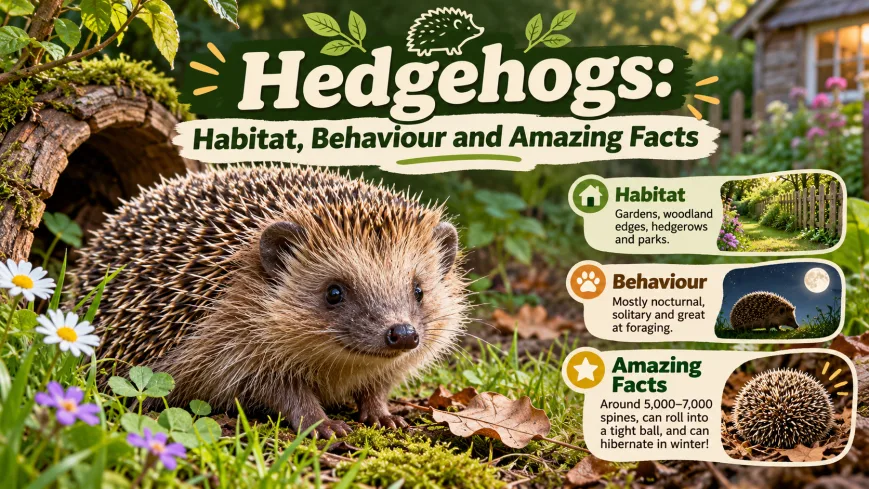
Discover hedgehogs: habitats, diets, nocturnal behaviour, hibernation, baby hoglets, spines, conservation and 10 amazing wildlife facts.
Understand common diseases and their causes, from malaria and flu to hypertension, diabetes and heart disease, with symptoms, risk factors and prevention facts.
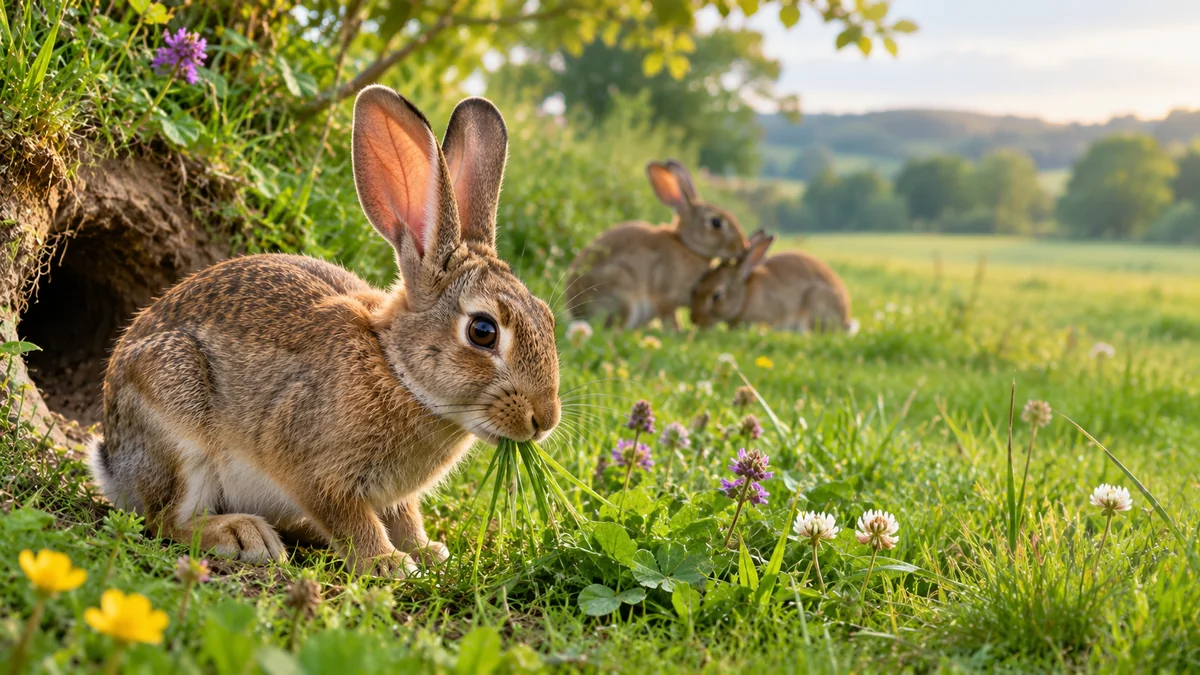
Learn essential rabbit facts about diet, habitats, lifespan, burrows, caecotrophy, behaviour, reproduction and humane care.
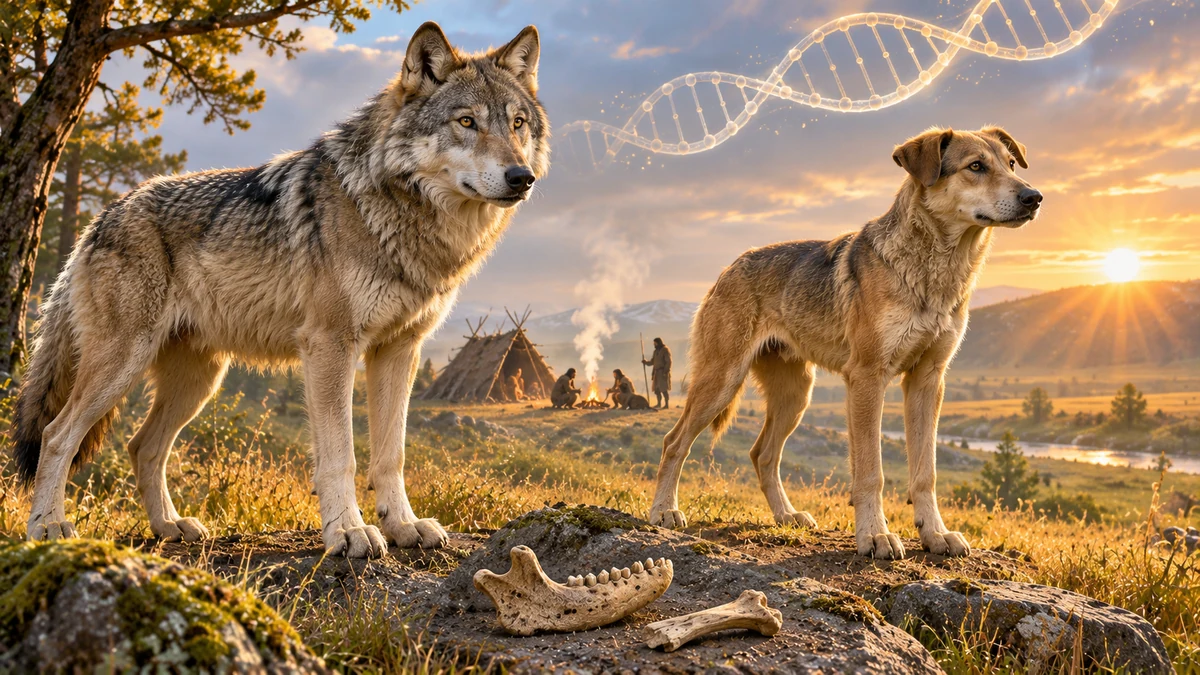
Explore how dogs evolved from ancient wolves, what March 2026 DNA findings reveal about the first dogs, and why domestication origins remain debated.
Learn how mood rings work: thermochromic liquid crystals change reflected colour with skin temperature, not emotions. Explore the science and a safe experiment.
How does a telephone work? Explore microphones, sound waves, landline switching, cell towers, digital speech, VoLTE and 5G networks in a clear science guide.
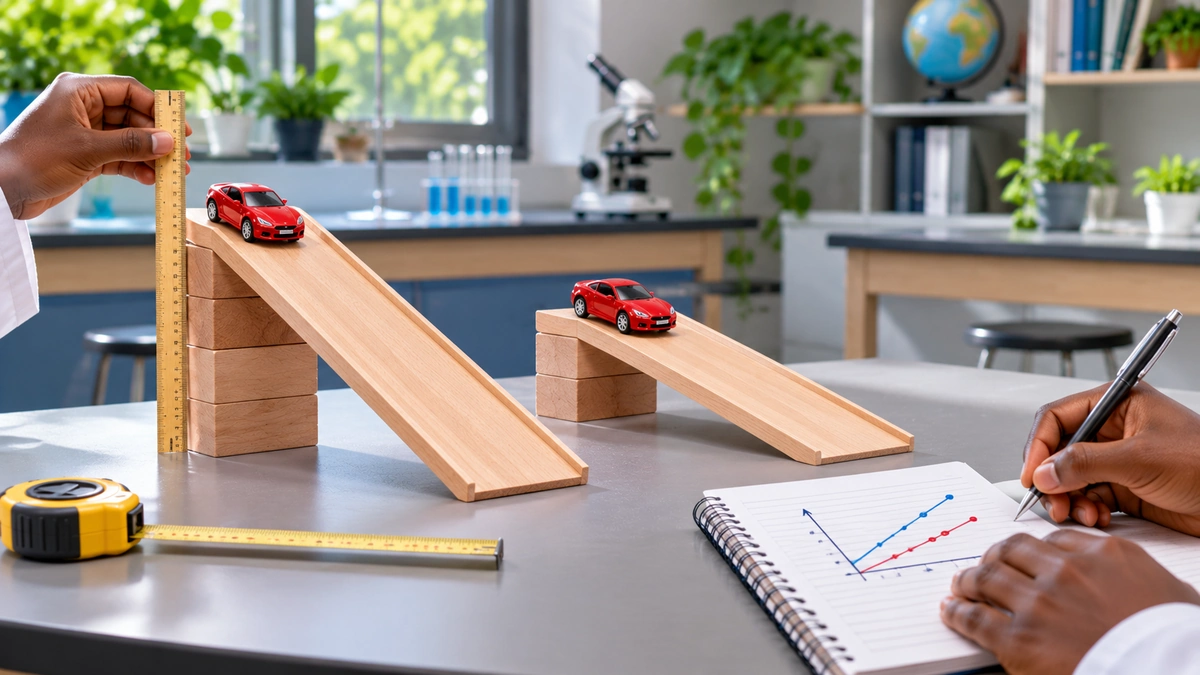
Learn how to design a fair science experiment with variables, control groups, repeat trials, a worked toy-car example, results and a planning worksheet.
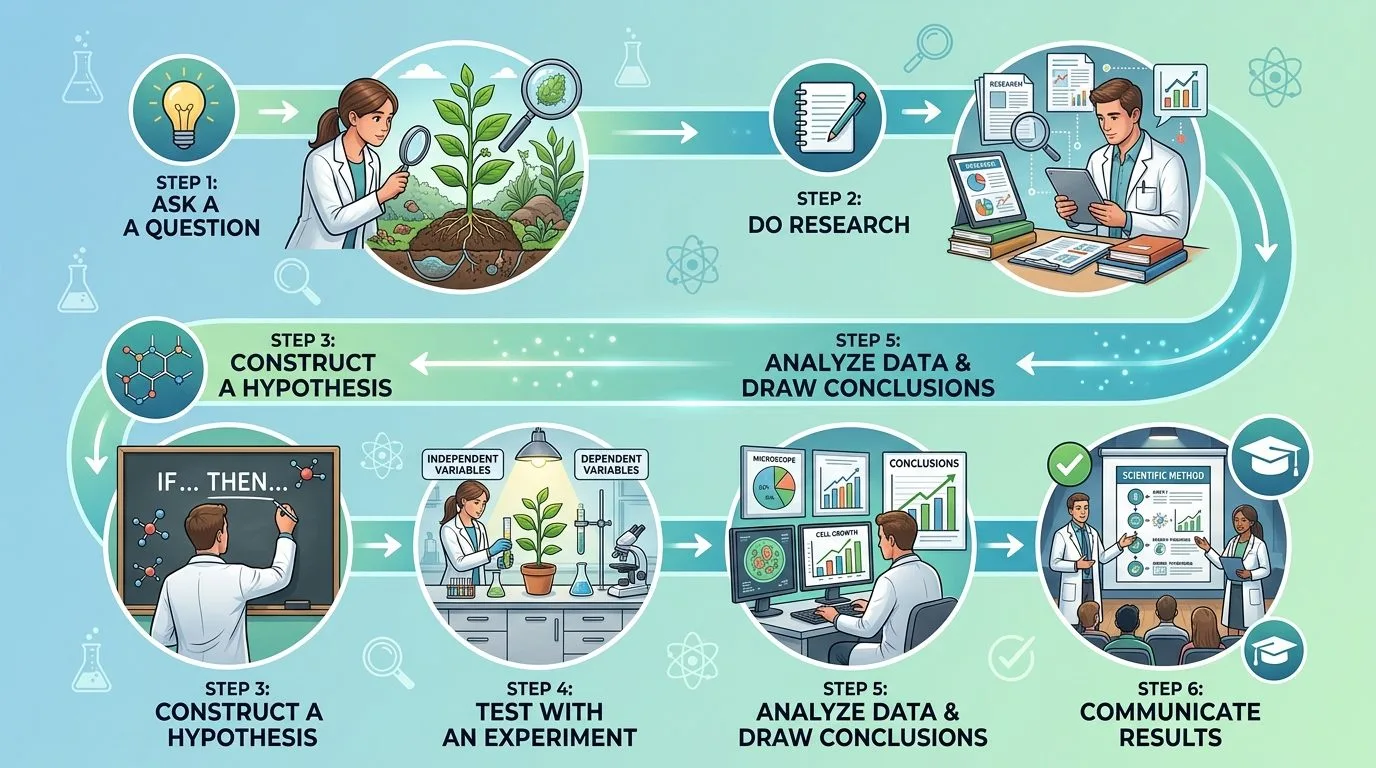
Understand the scientific method with steps, testable hypotheses, variables and a worked experiment. Learn to analyse data and draw evidence-based conclusions.
Discover hedgehogs: habitats, diets, nocturnal behaviour, hibernation, baby hoglets, spines, conservation and 10 amazing wildlife facts.
Understand common diseases and their causes, from malaria and flu to hypertension, diabetes and heart disease, with symptoms, risk factors and prevention facts.
Learn essential rabbit facts about diet, habitats, lifespan, burrows, caecotrophy, behaviour, reproduction and humane care.
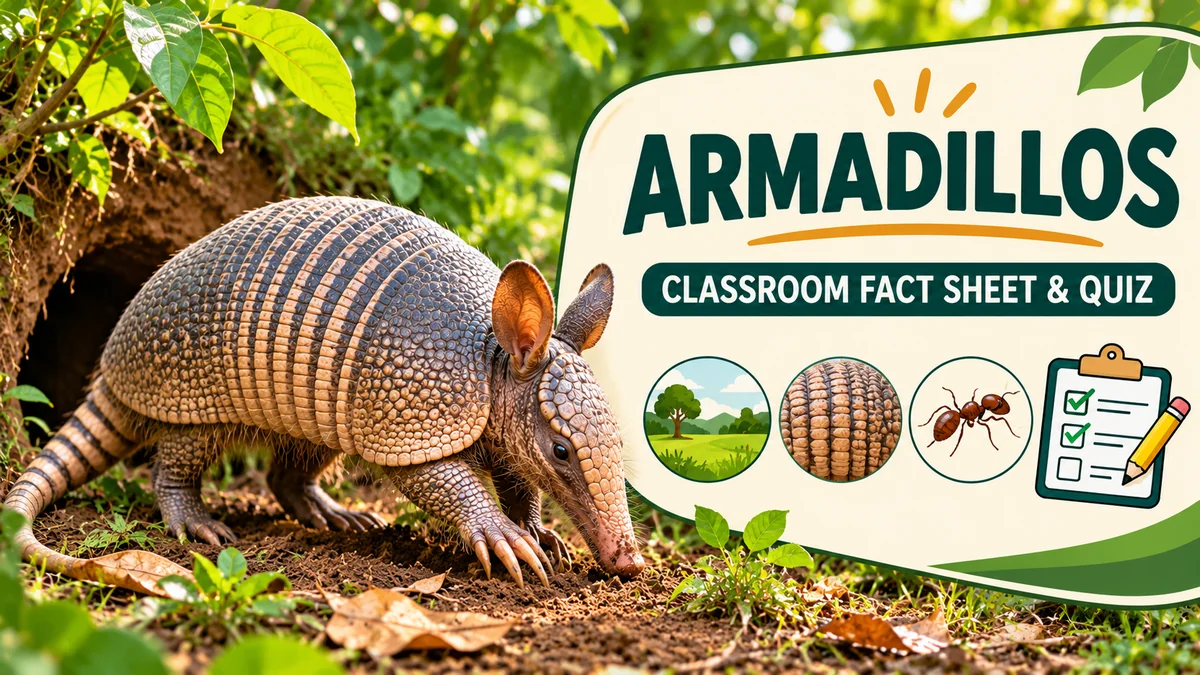
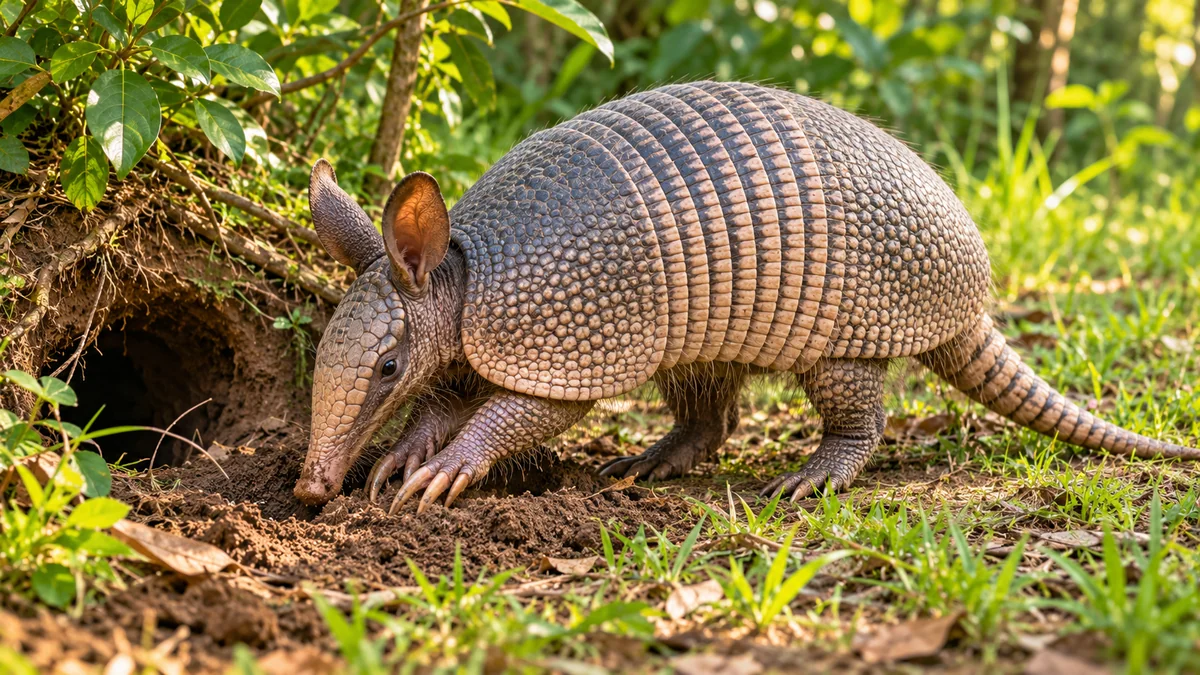
Armadillos classroom fact sheet with 20 quiz questions, answers and teaching activities. Learn armour, diet, habitats, burrows and wildlife facts.
Explore how dogs evolved from ancient wolves, what March 2026 DNA findings reveal about the first dogs, and why domestication origins remain debated.
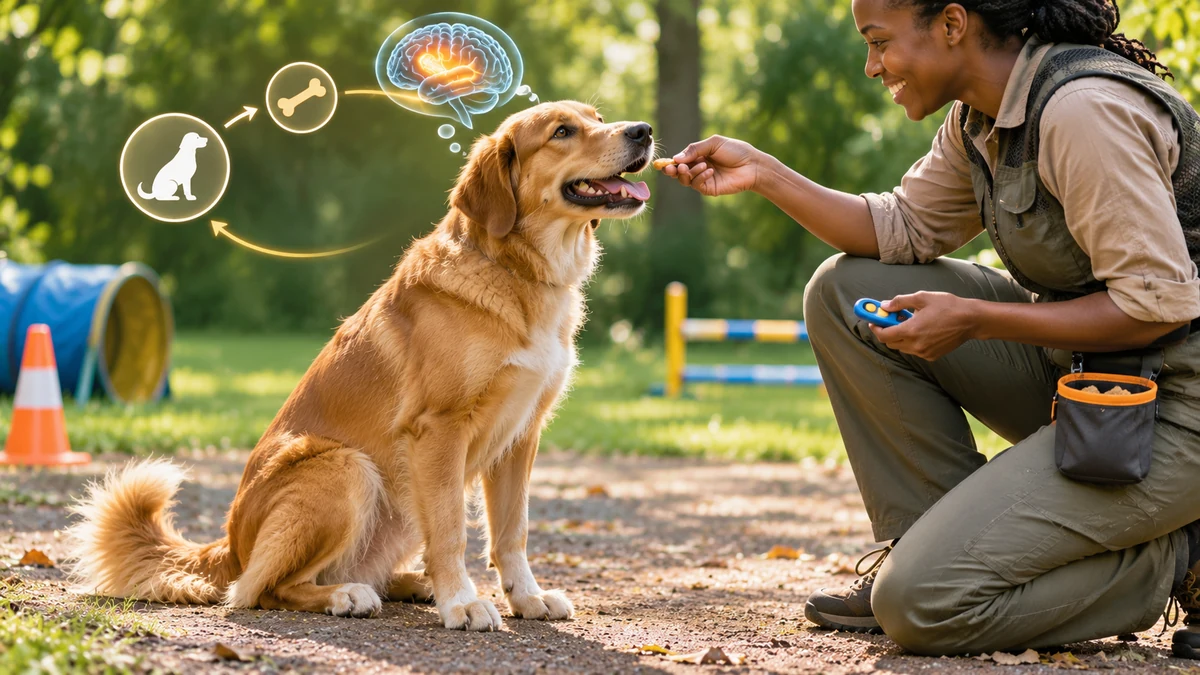
Understand how dogs learn through conditioning, rewards and social cues, with humane step-by-step training exercises and body-language guidance.
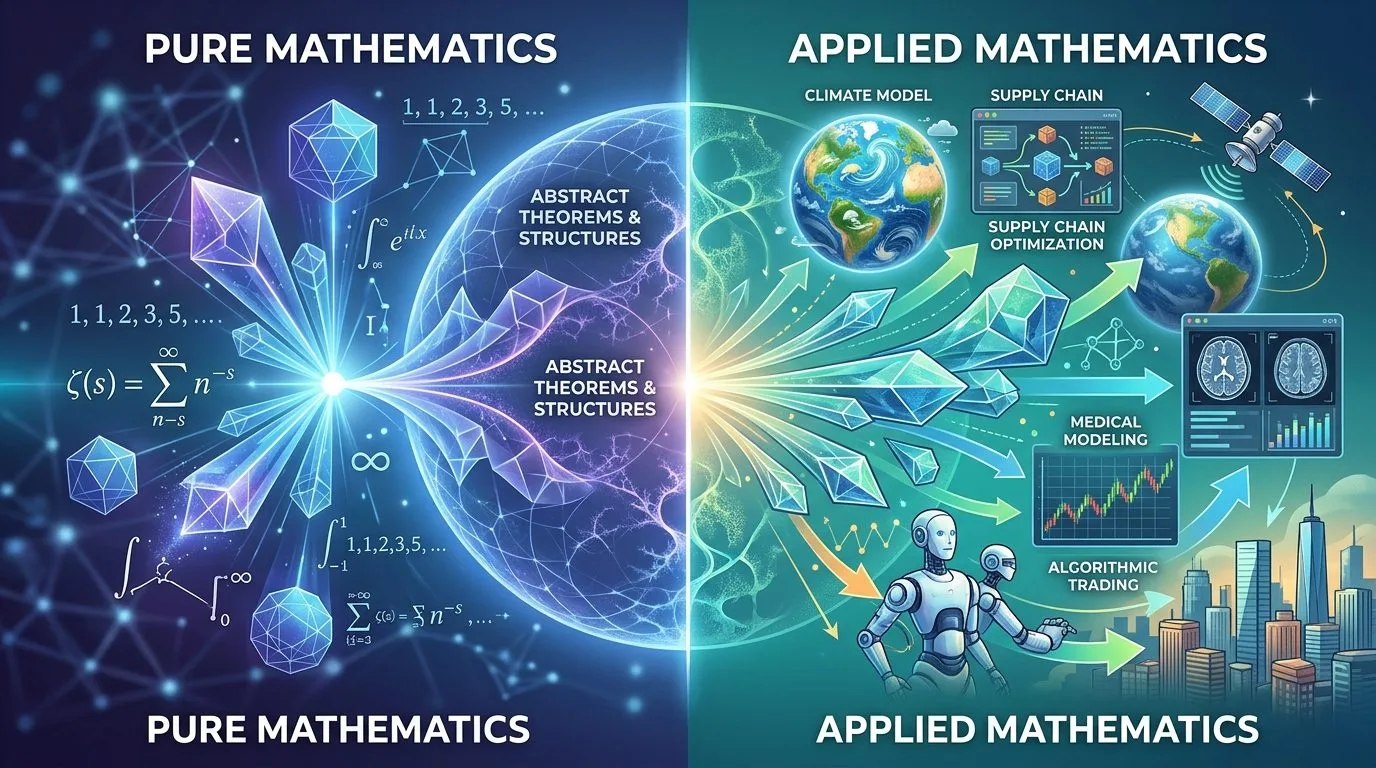
Compare pure vs applied mathematics, what each degree teaches, career paths, skills, worked examples and US job data with clear limitations.
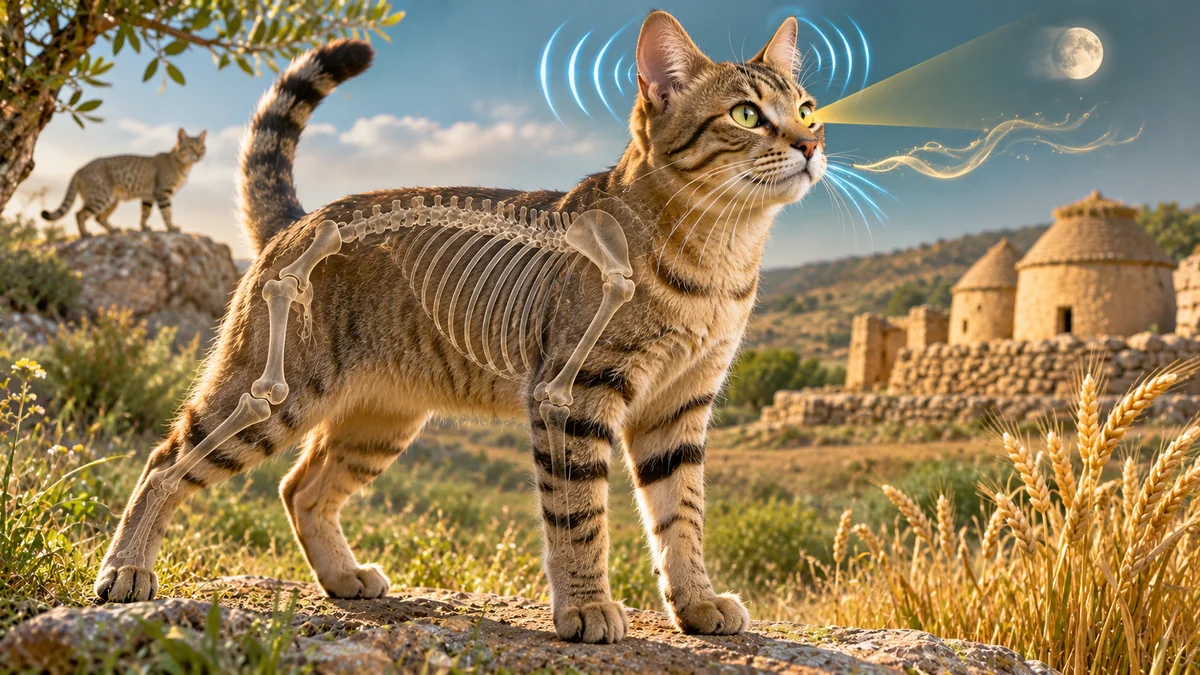
Explore cat biology: feline anatomy, teeth, nutrition, senses, body language, hunting and domestication, including new 2025 ancient-DNA discoveries.
Explore armadillo habitats, behaviour, diet, armour, reproduction and conservation, plus surprising facts about rolling, burrows and identical quadruplets.
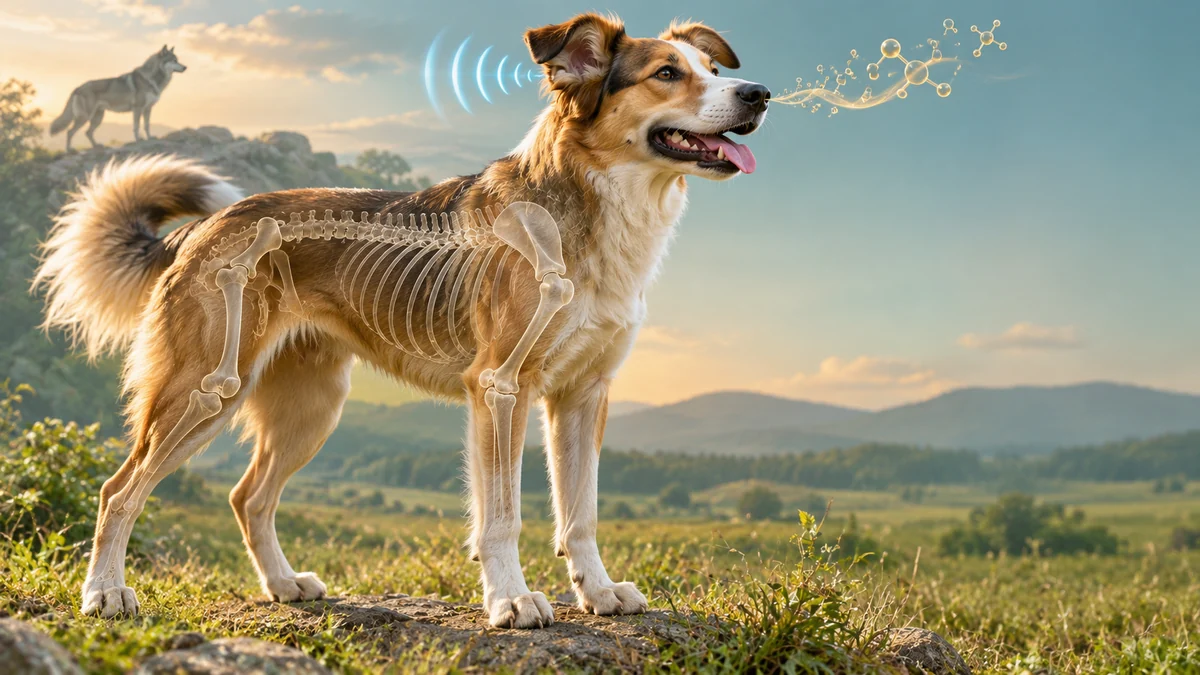
Explore dog biology: skeleton, teeth, smell, hearing, vision, social behaviour and domestication, including 2026 ancient-DNA discoveries.
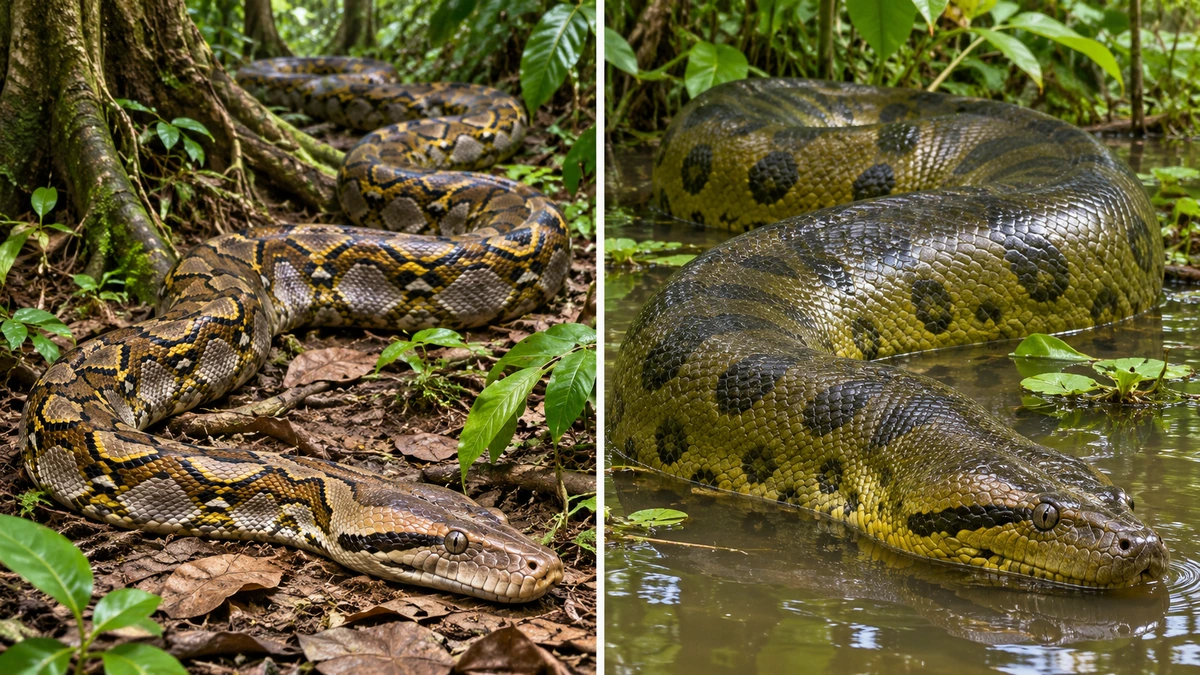
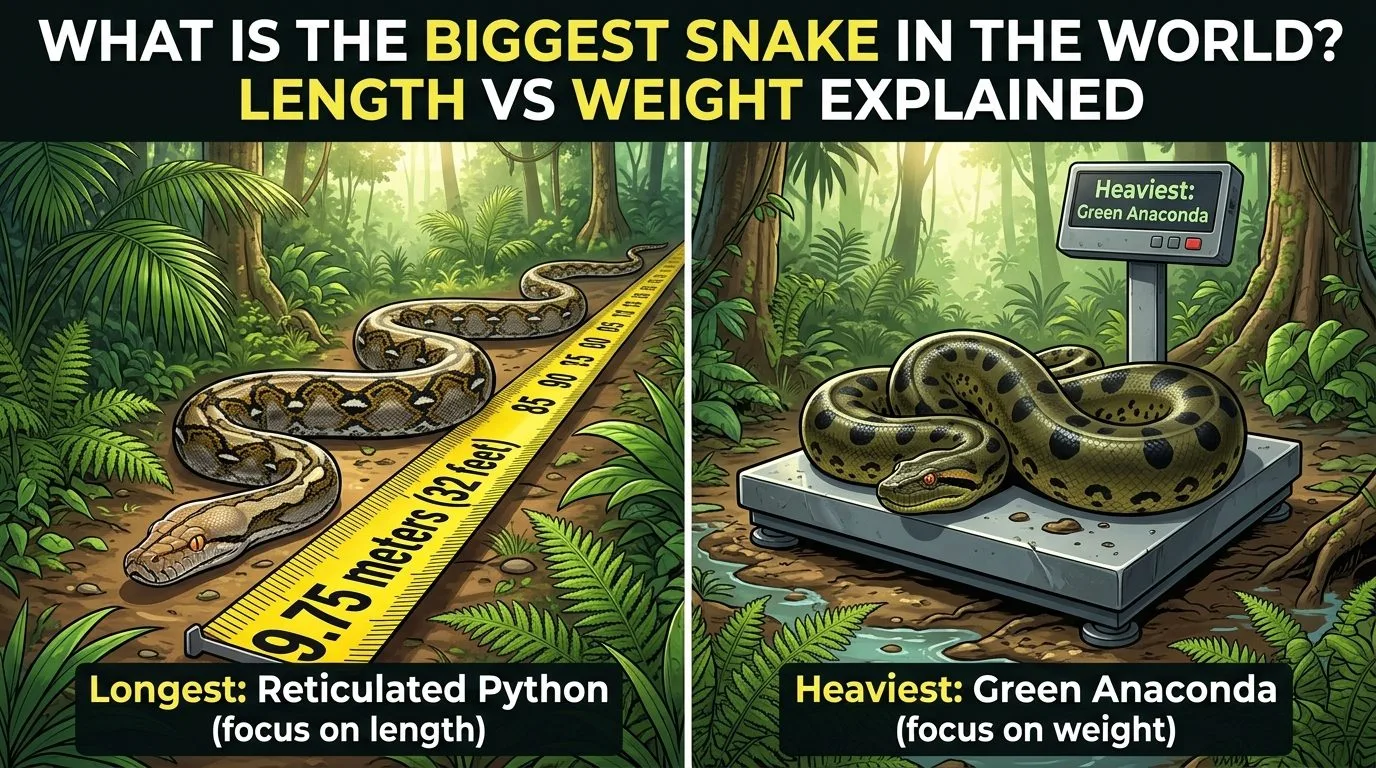
Compare green anacondas and reticulated pythons by length, weight, body shape, habitat, diet and reproduction, with 2026 verified snake records.
What's the biggest snake? Compare the longest reticulated python with the heaviest green anaconda, plus 2026 wild records and Titanoboa fossils.