Pure vs Applied Mathematics: Differences and Careers
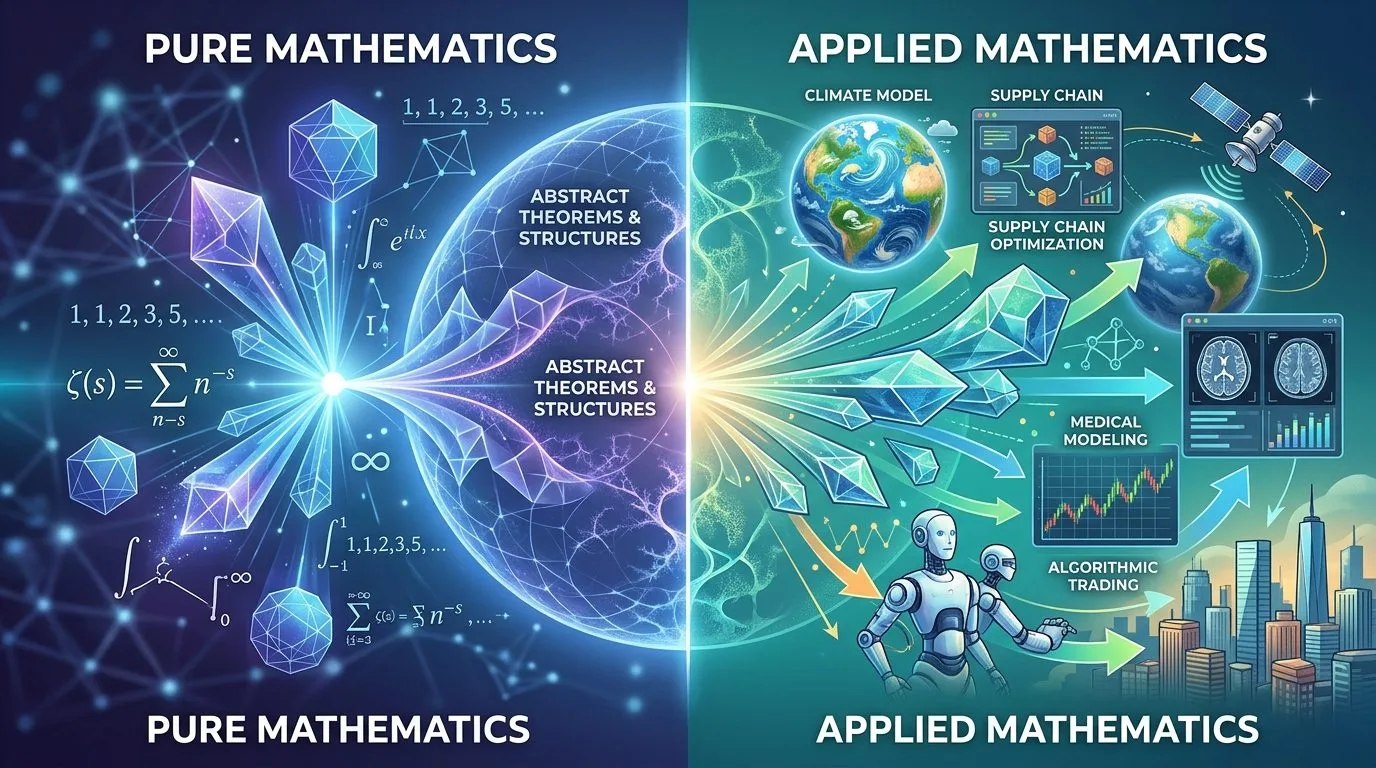
Compare pure vs applied mathematics, what each degree teaches, career paths, skills, worked examples and US job data with clear limitations.
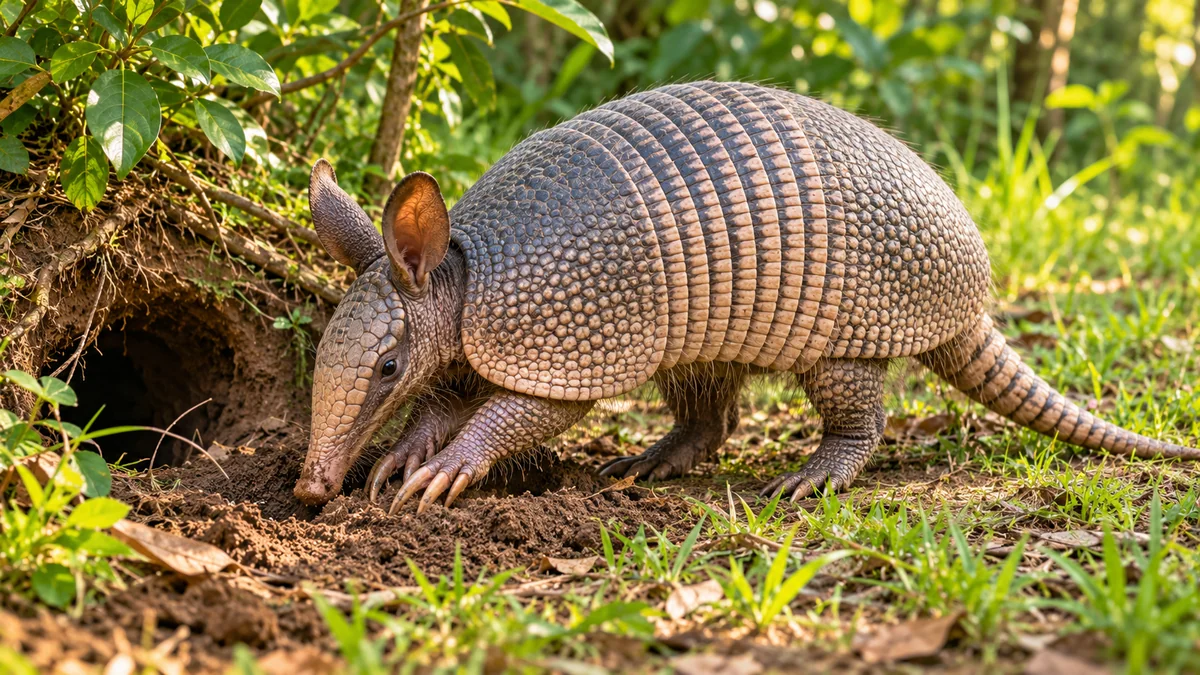
Explore armadillo habitats, behaviour, diet, armour, reproduction and conservation, plus surprising facts about rolling, burrows and identical quadruplets.
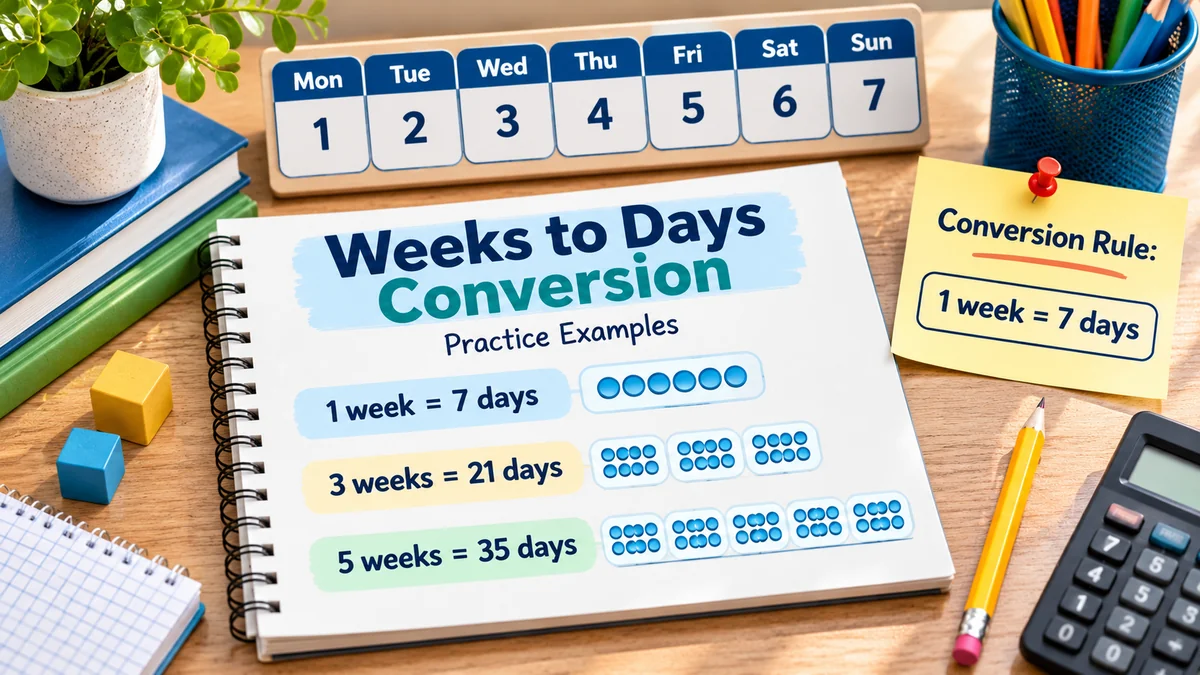
Learn weeks to days conversion with the ×7 rule, worked examples, a conversion chart and 20 practice problems with fully explained answers.
Explore thermochromic colour change safely with sealed liquid-crystal sheets, a step-by-step classroom experiment, observation table and clear science explanations.
Learn how many weeks are in a year: 52 weeks plus 1 or 2 days, why 2026 has 53 ISO weeks, how leap years work, and easy calculations.
Learn how mood rings work: thermochromic liquid crystals change reflected colour with skin temperature, not emotions. Explore the science and a safe experiment.
How does a telephone work? Explore microphones, sound waves, landline switching, cell towers, digital speech, VoLTE and 5G networks in a clear science guide.
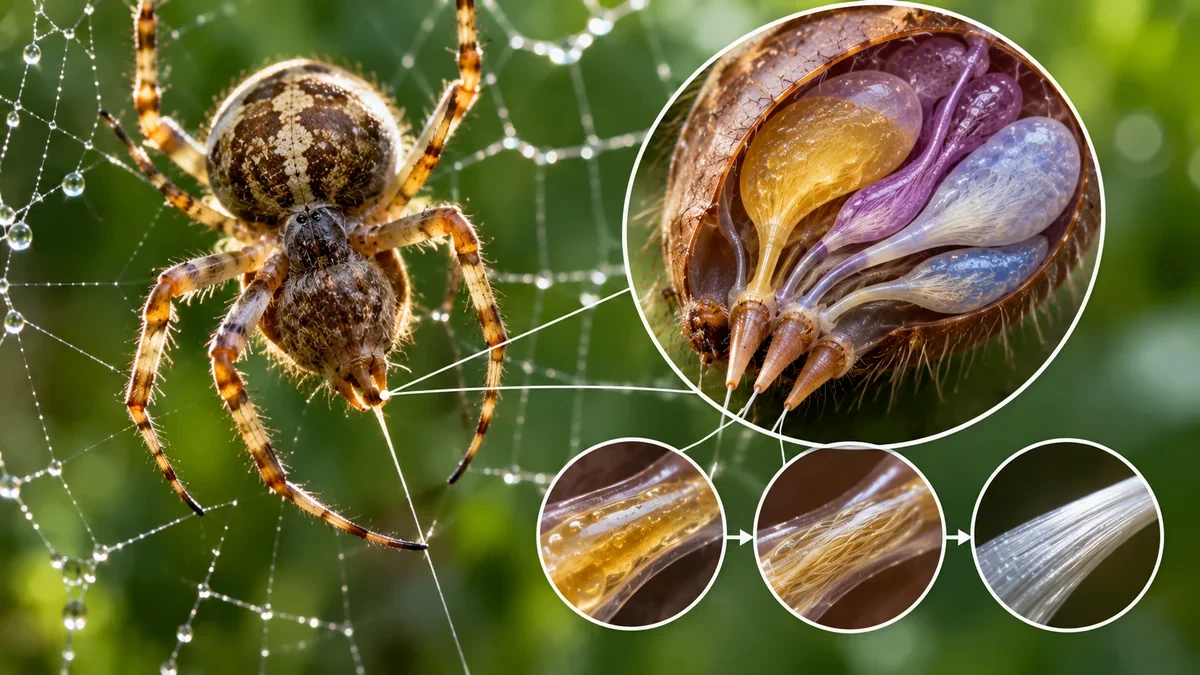
How do spiders make silk? Learn how spidroins become fibres in silk glands and spinnerets, plus seven silk types, web building, strength and uses.
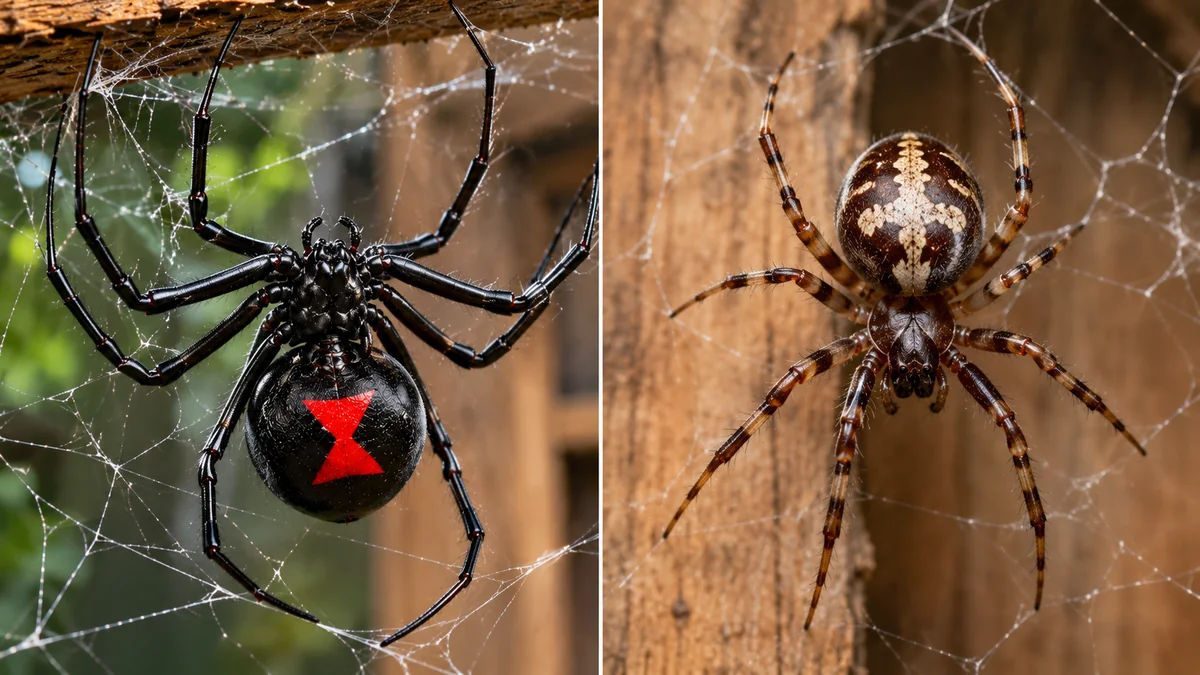
Black widow vs false widow: compare the red hourglass, pale back markings, size, webs, habitat, bite symptoms and safe identification tips.
Improve your maths skills with a four-week study plan, a diagnostic quiz, daily 30-minute routine, worked examples, error notebook and progress tracker.
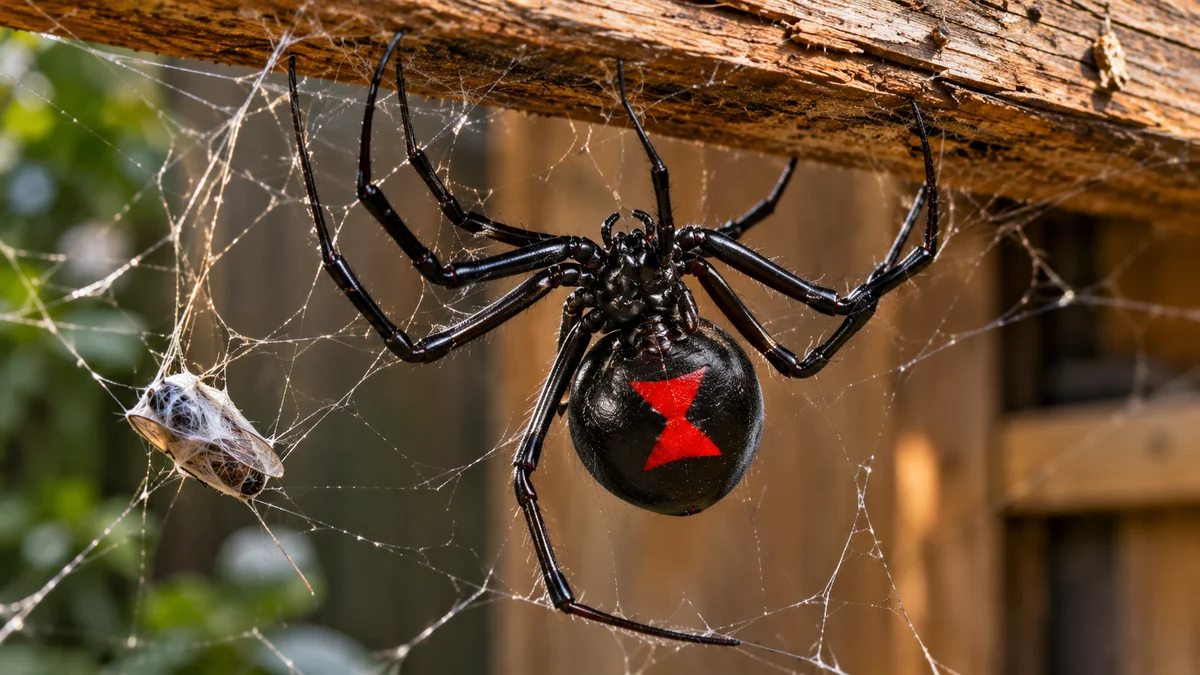
Discover black widow spider facts: identify species and markings, understand webs and habitats, learn how venom works and what to do after a suspected bite.
What is mathematics? Explore arithmetic, algebra, geometry, calculus, statistics and more, with real-life examples, study paths and practice questions.