Is it time to start cutting red tape on government programs?
Is it time to start cutting red tape on government programs? Journalist’s new book argues ‘administrative burden’ unfairly hits nation’s most vulnerable harde...

Discover the events, ideas, creative work and traditions that explain how societies became what they are.
Sign in to follow
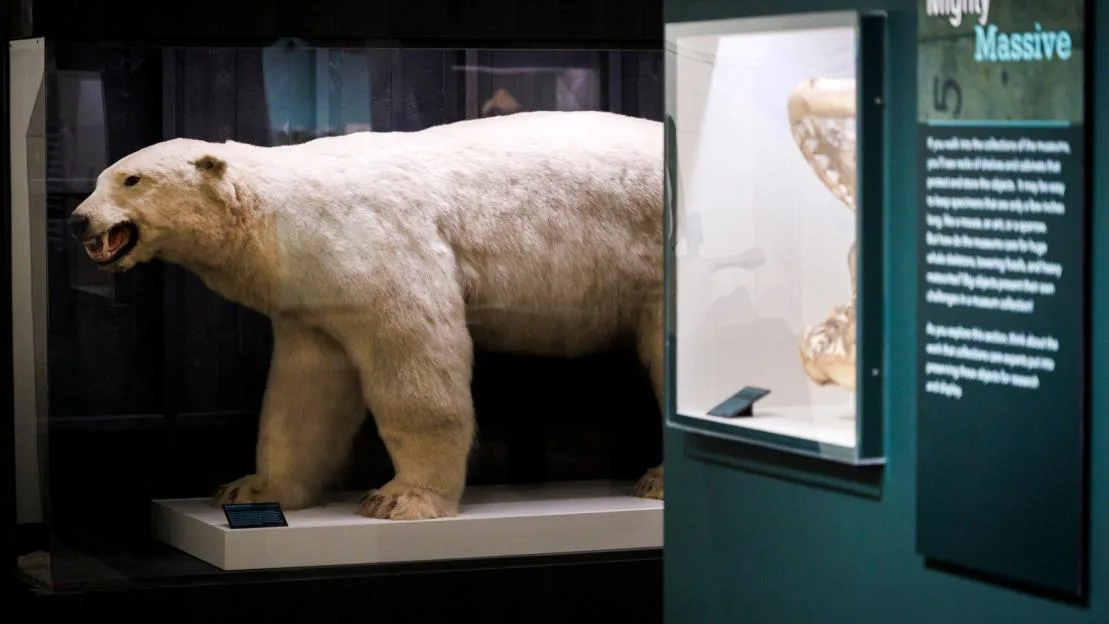
Curios and curiouser Polar bear from 1878. Stephanie Mitchell/Harvard Staff Photographer Anna Lamb Harvard Staff Writer September 23, 2026 5 min r...
Read the story Save
Is it time to start cutting red tape on government programs? Journalist’s new book argues ‘administrative burden’ unfairly hits nation’s most vulnerable harde...
Kristen Eichensehr. Veasey Conway/Harvard Staff Photographer Old global order has been ‘ruptured.’ What will new one look like? Law School initiative examin...
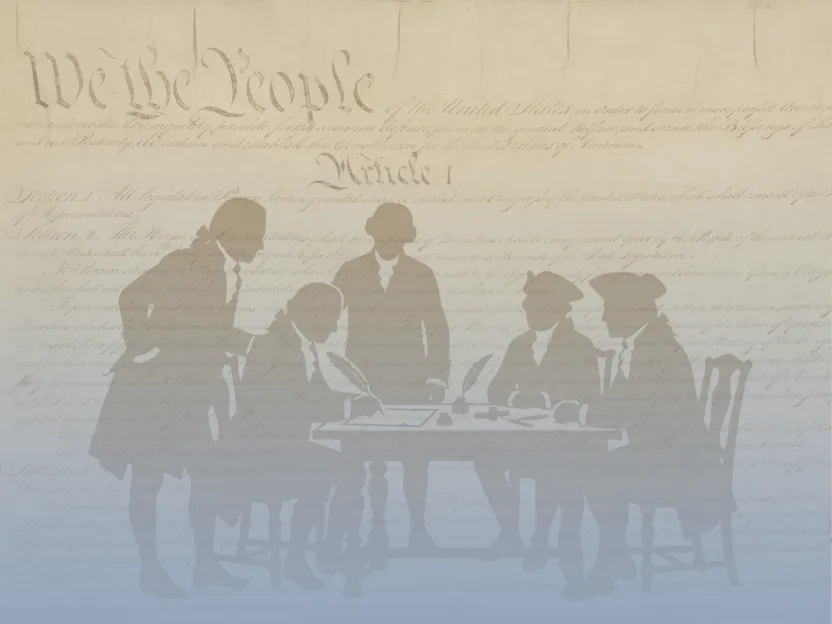
Illustration by Liz Zonarich/Harvard Staff Democracy? Some of founders were skeptical. Historians detail how, why Constitution became (and remains) work in...
Why John Coltrane still matters John Coltrane.Photo illustration by Liz Zonarich/Harvard Staff Christina Pazzanese Harvard Staff Writer September 18...
Stories attracting readers, attention and momentum now.
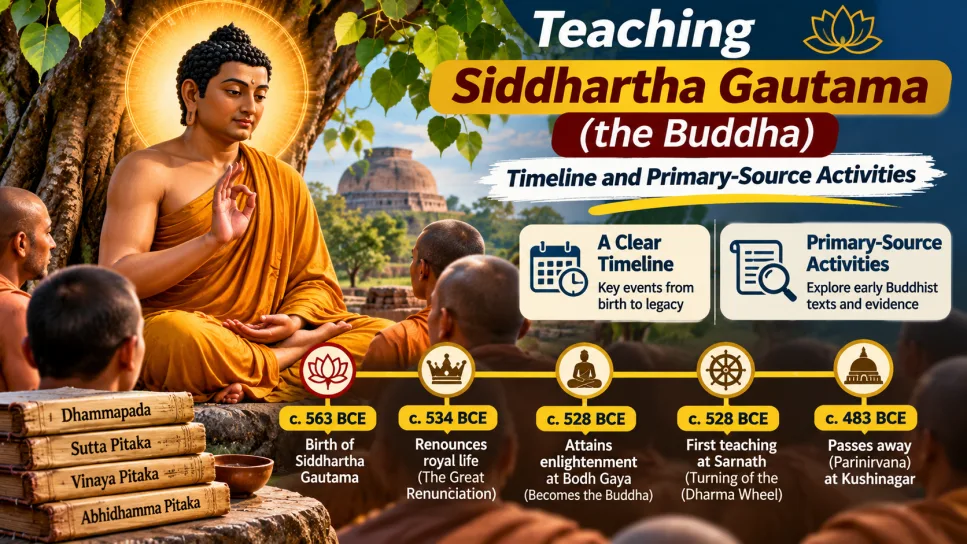
Teach Siddhartha Gautama with an evidence-aware timeline, original source-analysis exercises, class worksheets, quiz and teacher answer key.
Explore Siddhartha Gautama's origins, debated dates, life timeline, enlightenment, Four Noble Truths and enduring legacy in Buddhism.
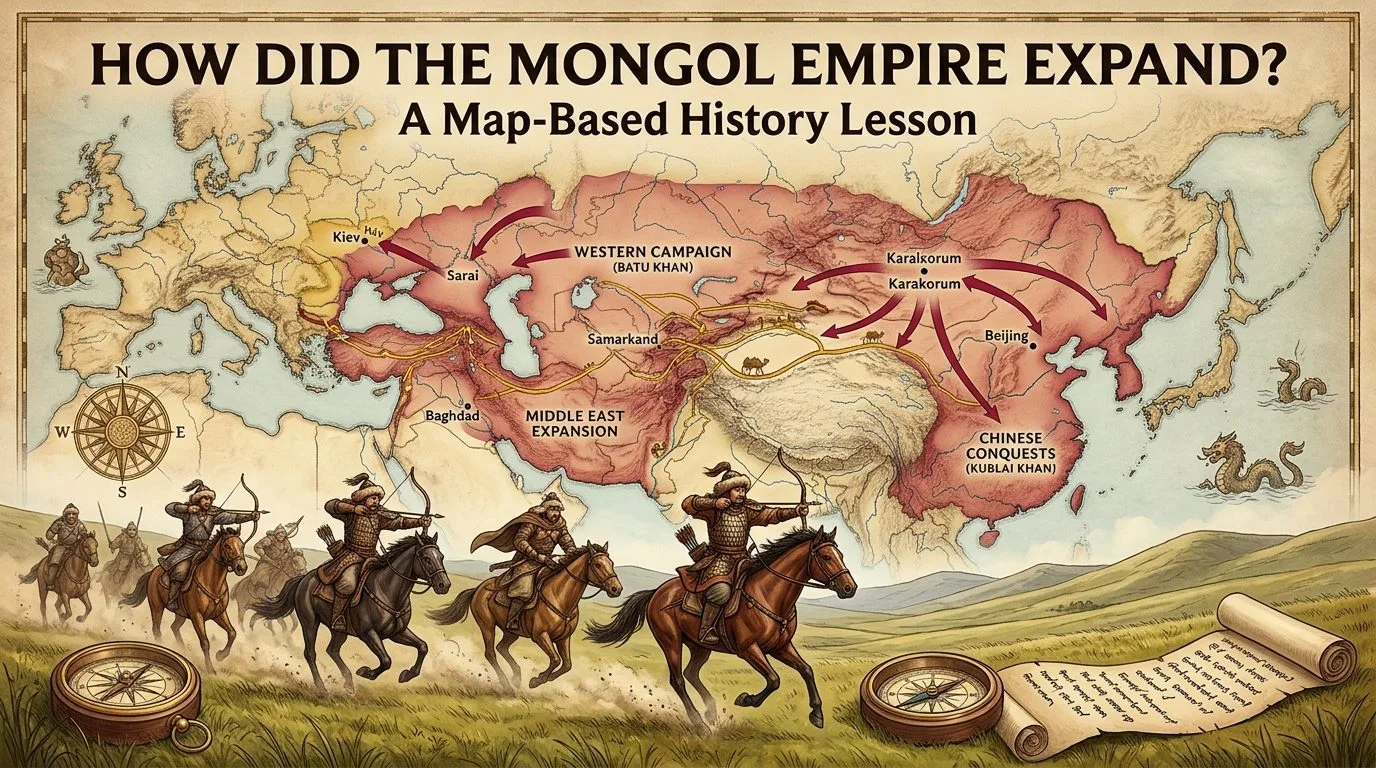
Learn how the Mongol Empire expanded from 1206 to 1279. Explore five map stages, key campaigns, khanates and a classroom map-reading activity.
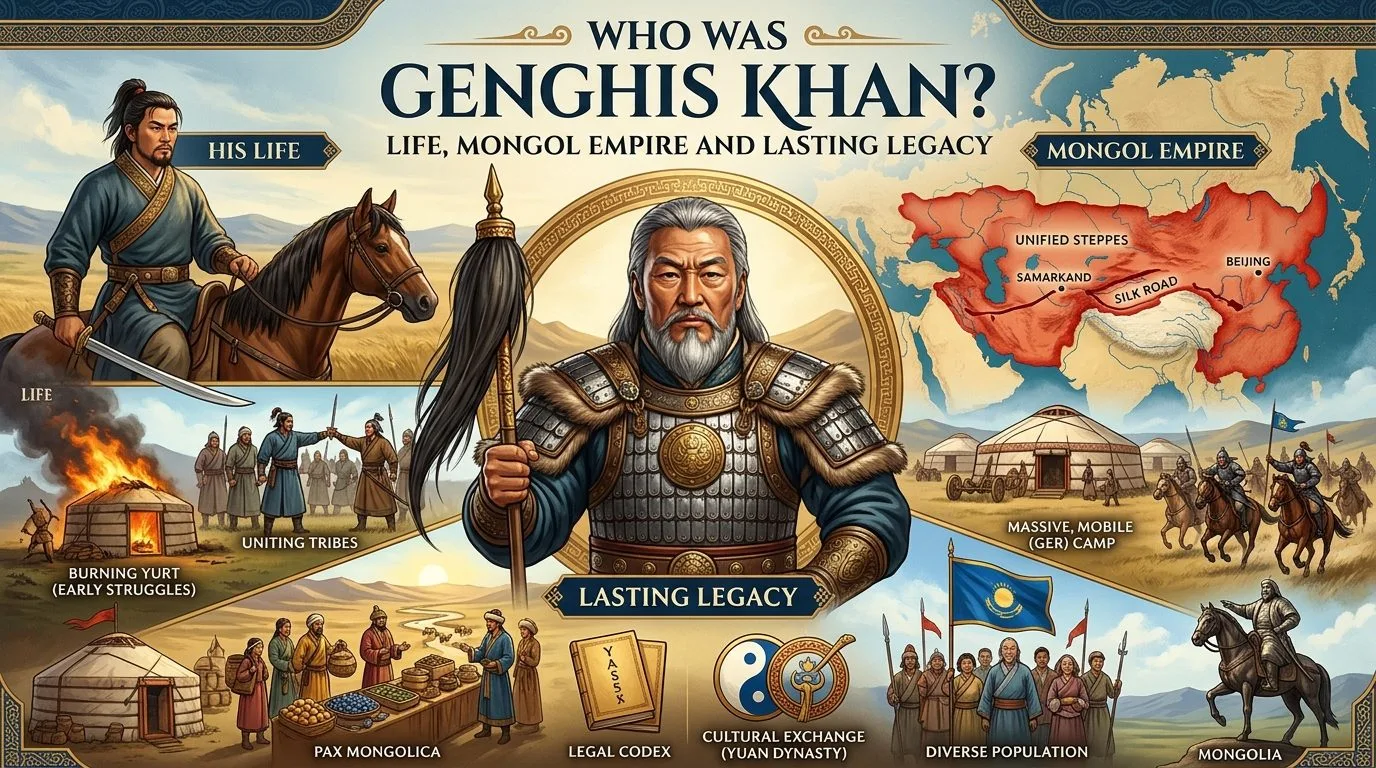
Who was Genghis Khan? Discover Temüjin's early life, Mongol unification in 1206, conquests, death in 1227 and the empire's lasting legacy.
Teach Siddhartha Gautama with an evidence-aware timeline, original source-analysis exercises, class worksheets, quiz and teacher answer key.
Explore Siddhartha Gautama's origins, debated dates, life timeline, enlightenment, Four Noble Truths and enduring legacy in Buddhism.
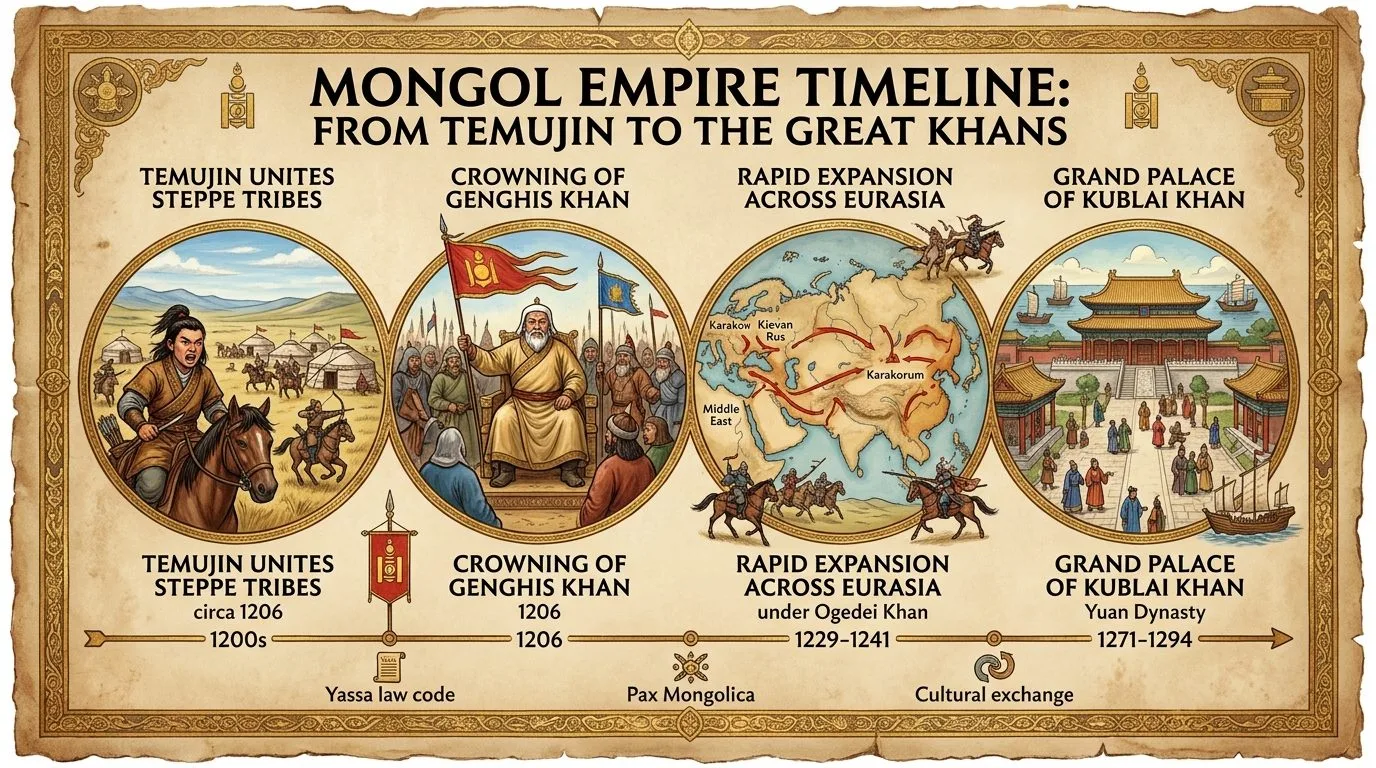
Explore the Mongol Empire timeline from Temujin's rise in 1206 through the great khans, regents, wars, Yuan dynasty and its 1368 transition.
Learn how the Mongol Empire expanded from 1206 to 1279. Explore five map stages, key campaigns, khanates and a classroom map-reading activity.
Who was Genghis Khan? Discover Temüjin's early life, Mongol unification in 1206, conquests, death in 1227 and the empire's lasting legacy.
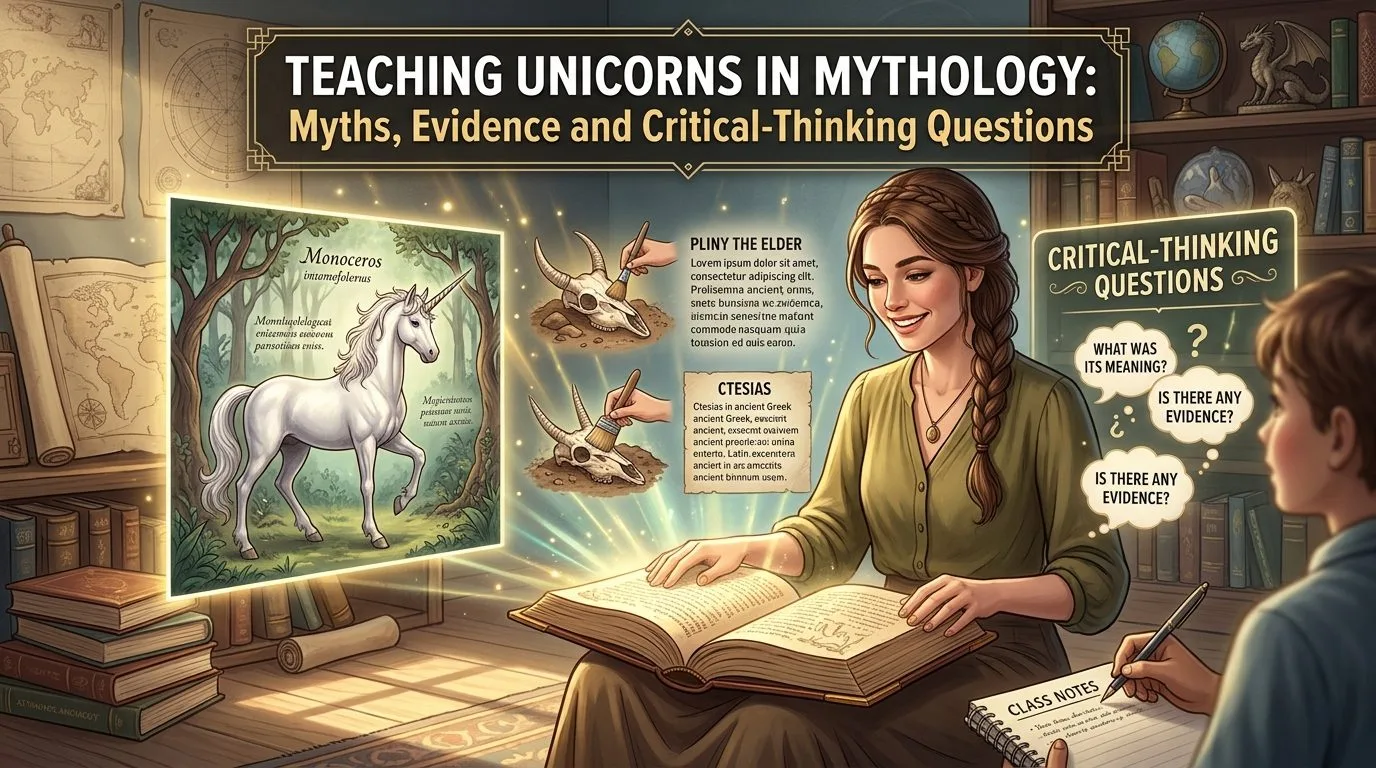
Teach unicorn mythology through historical evidence and critical thinking. Includes five source stations, lesson plans, questions, worksheets and an assessment rubric.
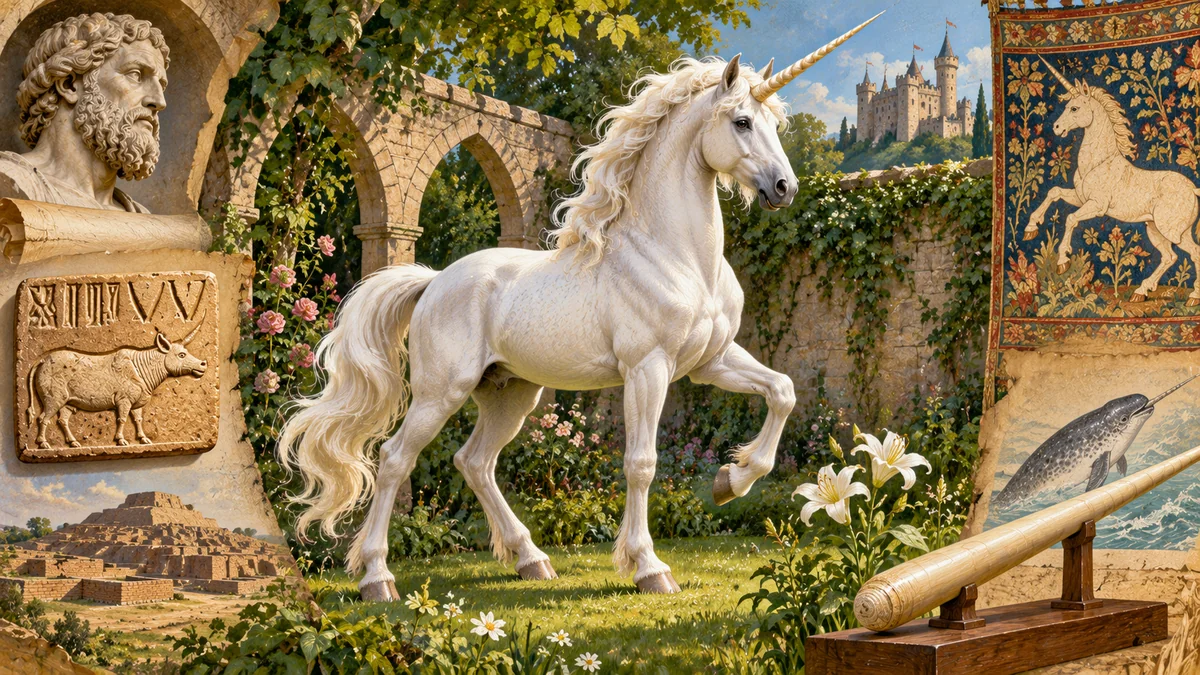
Explore unicorns in mythology: ancient origins, medieval symbolism, Indus seals, narwhal tusks, Scottish heraldry and what historical evidence really proves.
Is it time to start cutting red tape on government programs? Journalist’s new book argues ‘administrative burden’ unfairly hits nation’s most vulnerable harde...

Kristen Eichensehr. Veasey Conway/Harvard Staff Photographer Old global order has been ‘ruptured.’ What will new one look like? Law School initiative examin...
Illustration by Liz Zonarich/Harvard Staff Democracy? Some of founders were skeptical. Historians detail how, why Constitution became (and remains) work in...
Why John Coltrane still matters John Coltrane.Photo illustration by Liz Zonarich/Harvard Staff Christina Pazzanese Harvard Staff Writer September 18...