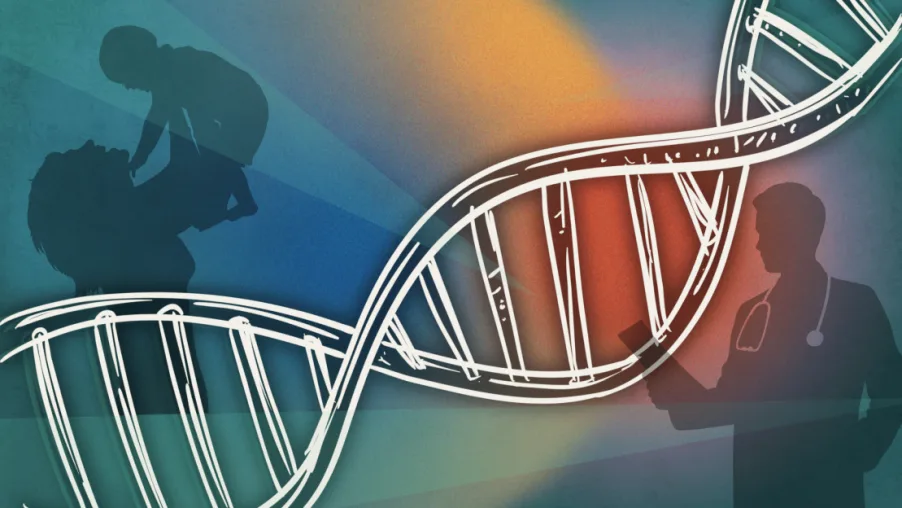
The healing power of gene therapy
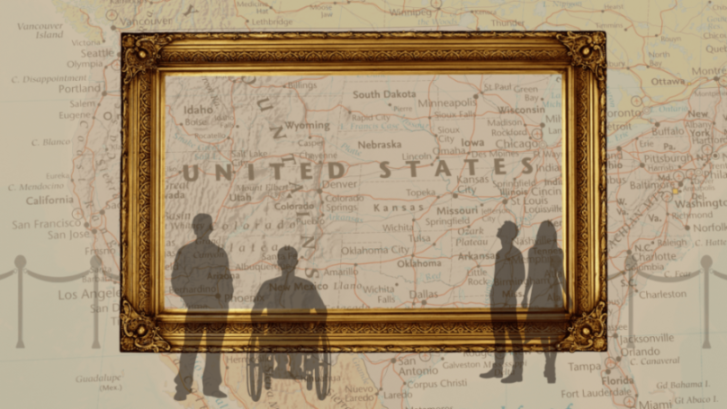
‘Harvard Thinking’: The healing power of gene therapy Illustrations by Liz Zonarich/Harvard Staff Samantha Laine Perfas Harvard Staff Writer Septemb...
Evidence-aware explainers about physical health, mental wellbeing, nutrition and care—written for real life.
Sign in to follow
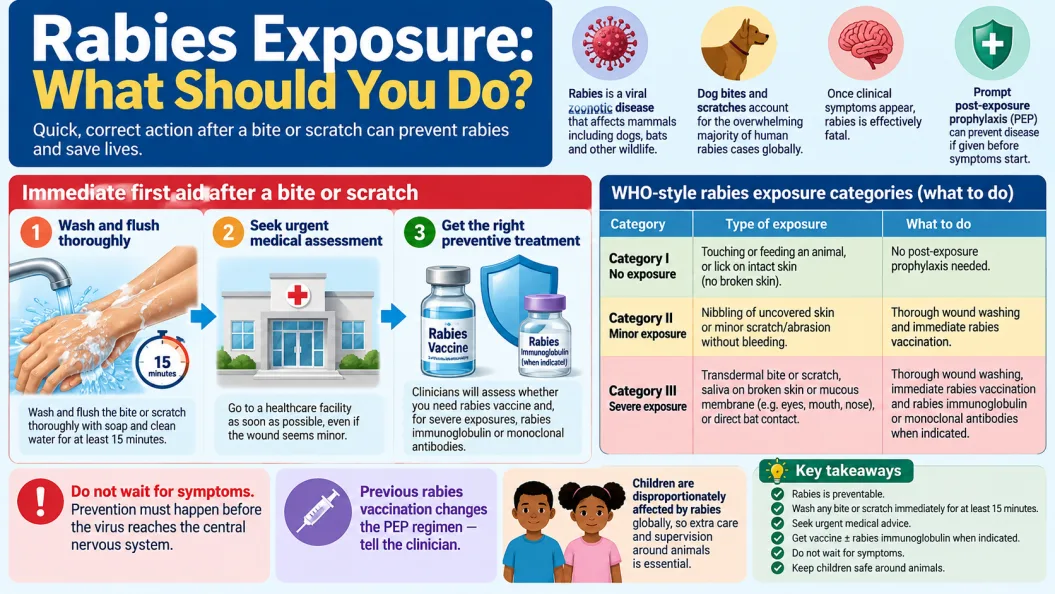
Learn what to do after a possible rabies exposure, how WHO exposure categories work, when vaccination and rabies immunoglobulin may be needed, and why you should never wait for symptoms.
Read the story Save
‘Harvard Thinking’: The healing power of gene therapy Illustrations by Liz Zonarich/Harvard Staff Samantha Laine Perfas Harvard Staff Writer Septemb...
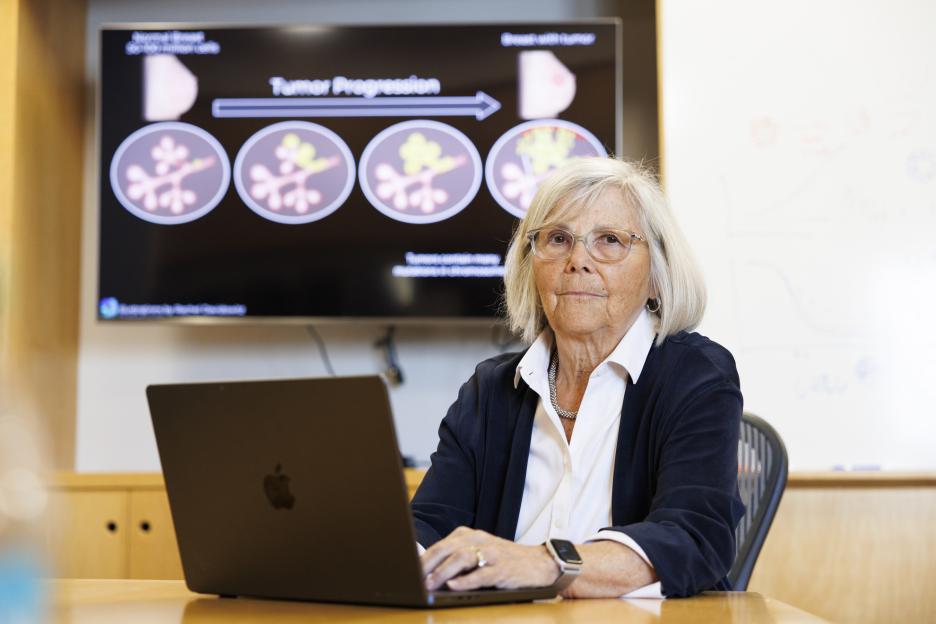
Joan Brugge. Niles Singer/Harvard Staff Photographer How did her sister — once vibrant and healthy — become so sick so fast? Joan Brugge’s decadeslong profe...
Who needs opioids? Kathleen Refior HSDM Communications September 10, 2026 5 min read As concerns about misuse persist, paper suggests role for...
Illustration by Liz Zonarich/Harvard Staff Does having a bad dream make you a bad person? Psychologist breaks down what those negative night narratives migh...
Stories attracting readers, attention and momentum now.
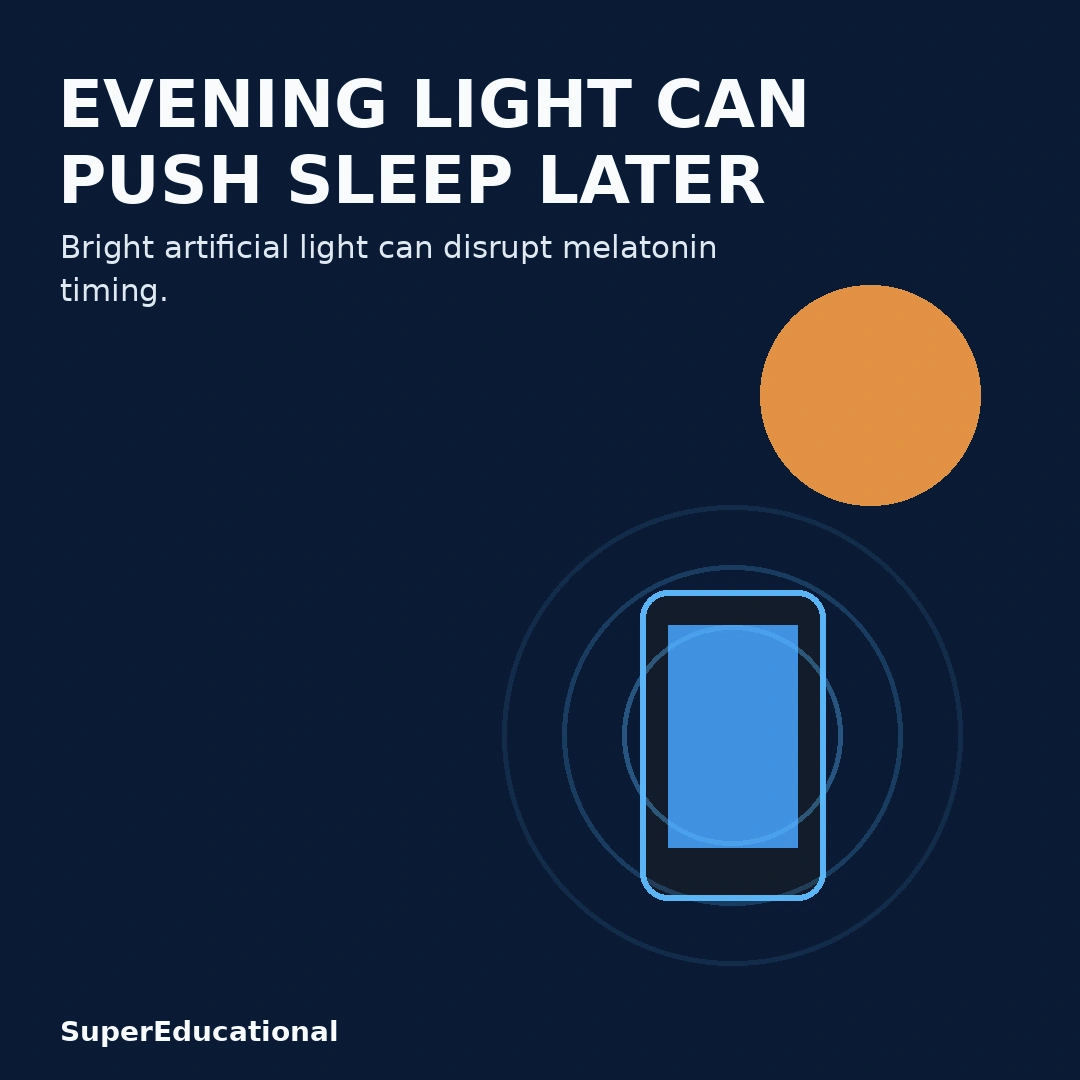
Light does more than help you see. Evening exposure can tell your brain that the day is not over yet, affecting melatonin, circadian timing and when you naturally feel sleepy.
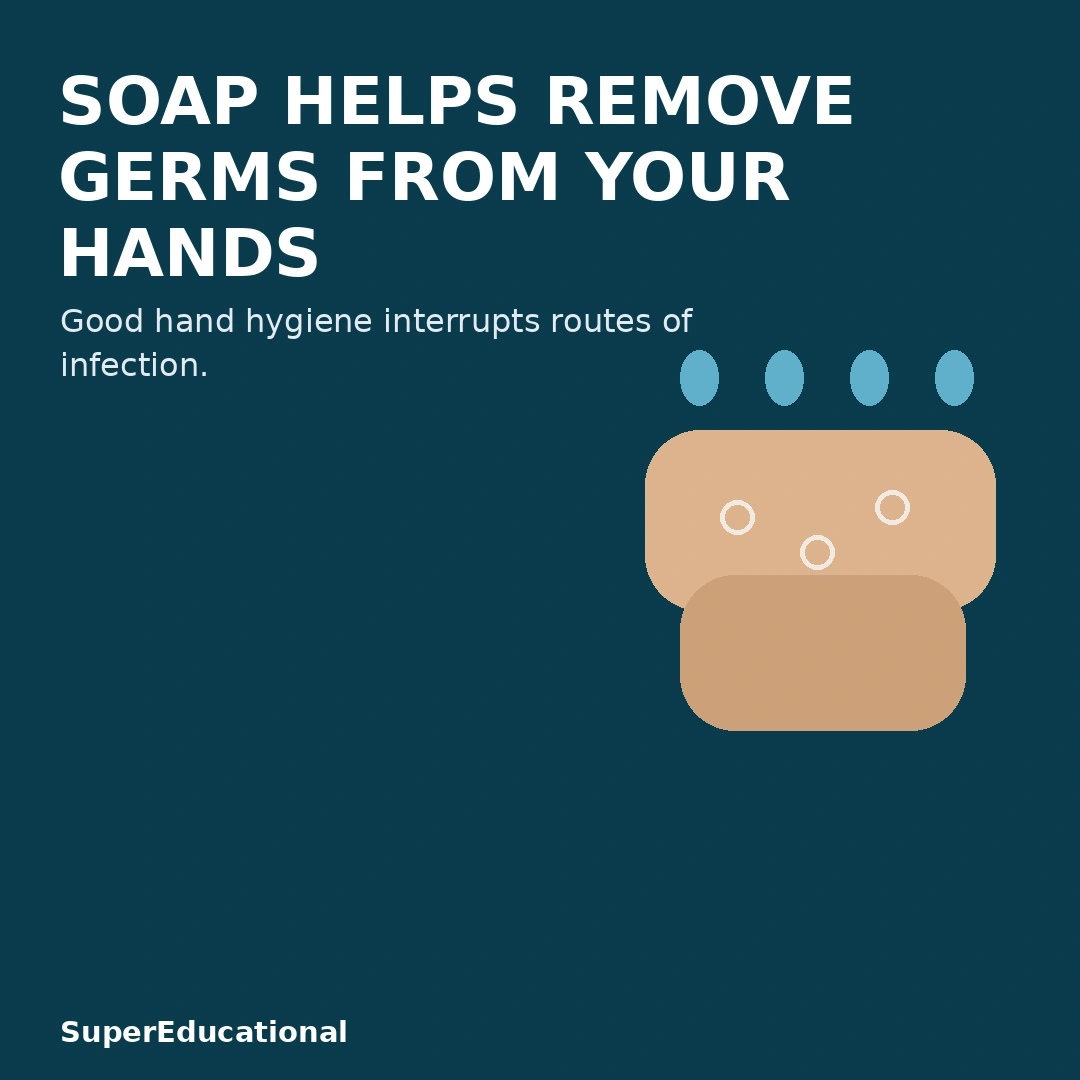
Handwashing does more than remove visible dirt. Proper hand hygiene helps interrupt pathways through which harmful microorganisms can spread.
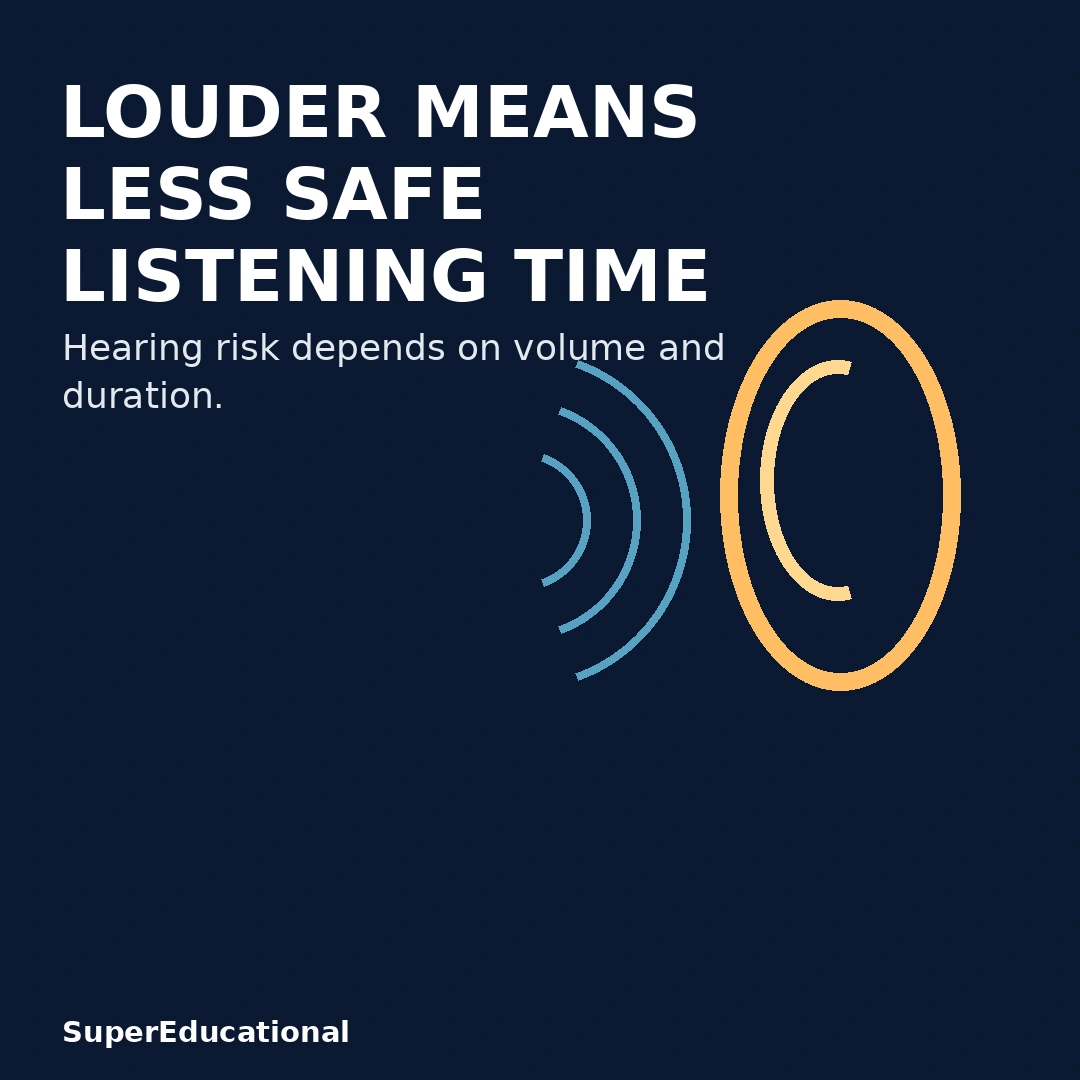
Your hearing risk depends on more than volume. Learn why safe listening time falls sharply as sound levels rise and what you can do to protect your ears.
Heat exhaustion and heatstroke are not the same. This evidence-based guide explains symptoms, first aid, risk factors, acclimatisation and practical heat-illness prevention.
‘Harvard Thinking’: The healing power of gene therapy Illustrations by Liz Zonarich/Harvard Staff Samantha Laine Perfas Harvard Staff Writer Septemb...
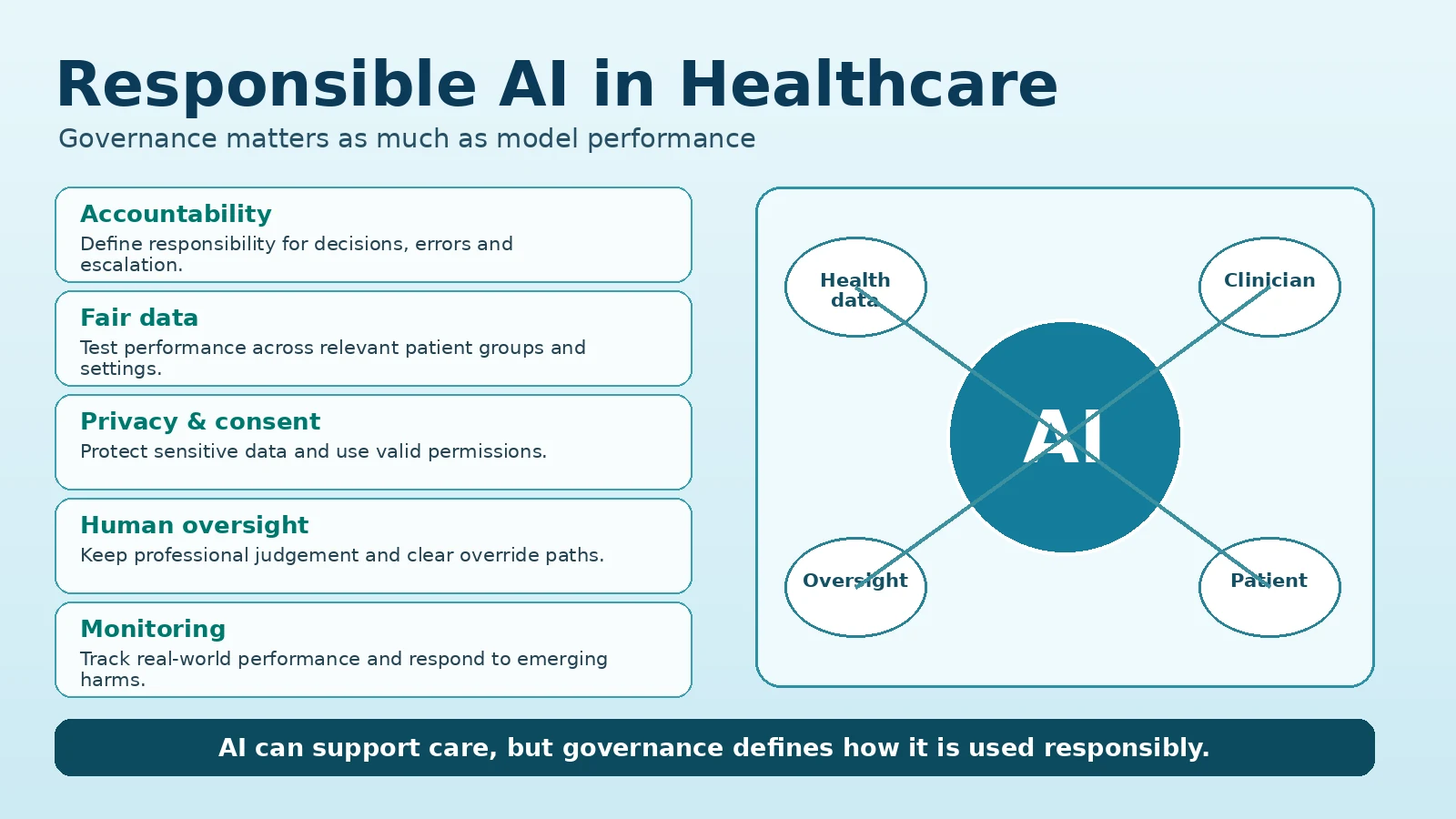
Responsible healthcare AI depends on more than model accuracy. Learn why governance, accountability, consent, fair data, oversight and AI literacy matter for safe and equitable use.
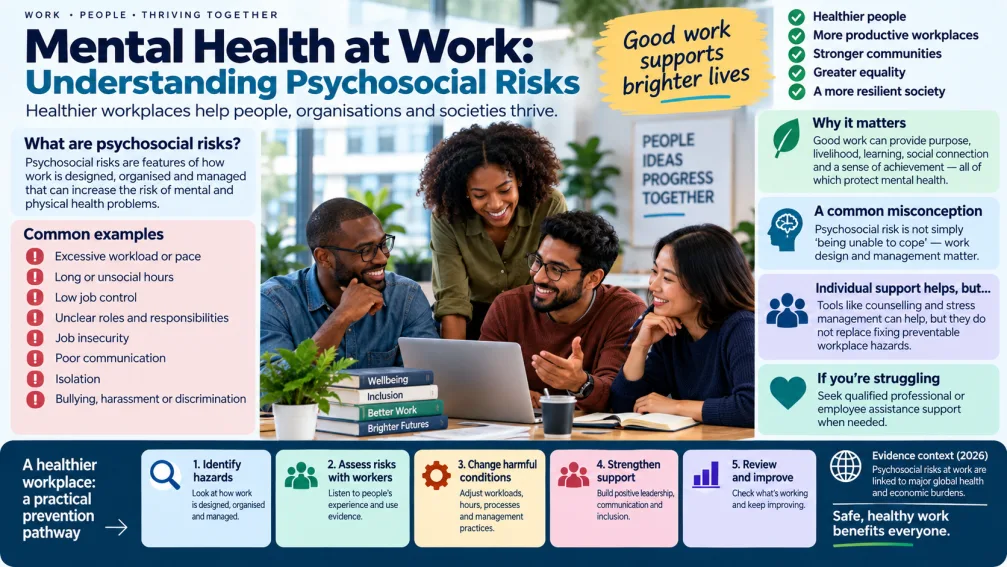
Learn what psychosocial risks at work are, common examples, why organisational prevention matters and how workplaces can identify and reduce harmful conditions.
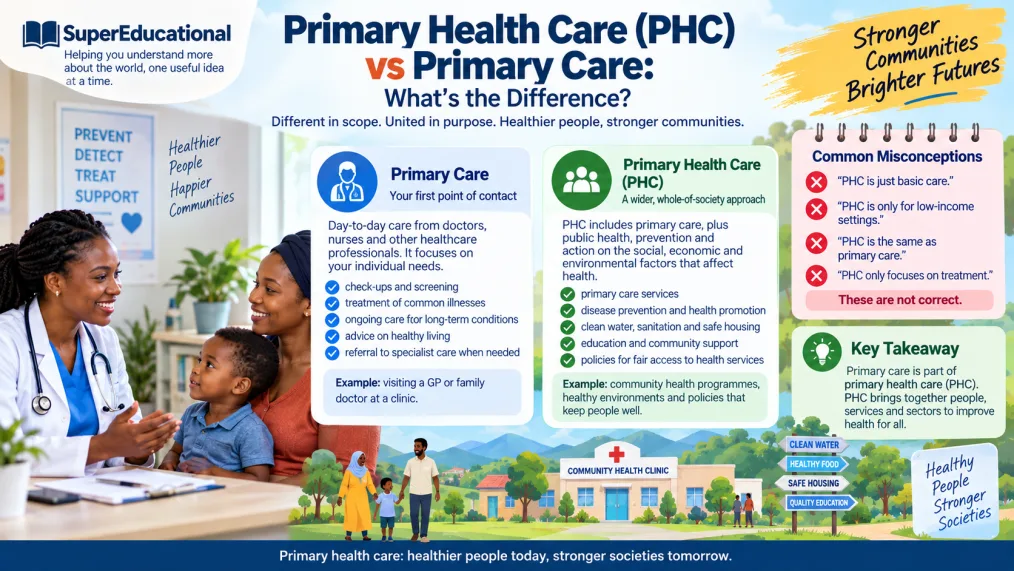
Primary care and primary health care are related but not the same. Learn the WHO-defined difference, the three components of PHC and how they work together.
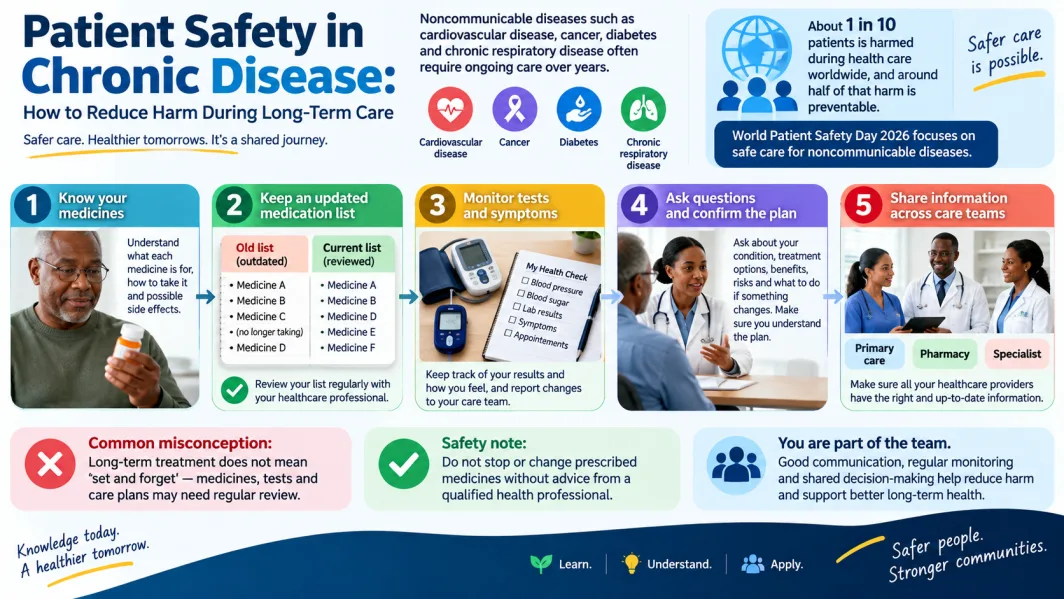
Long-term treatment creates repeated opportunities for medication errors, missed monitoring and communication problems. Learn practical patient-safety principles for chronic disease care.
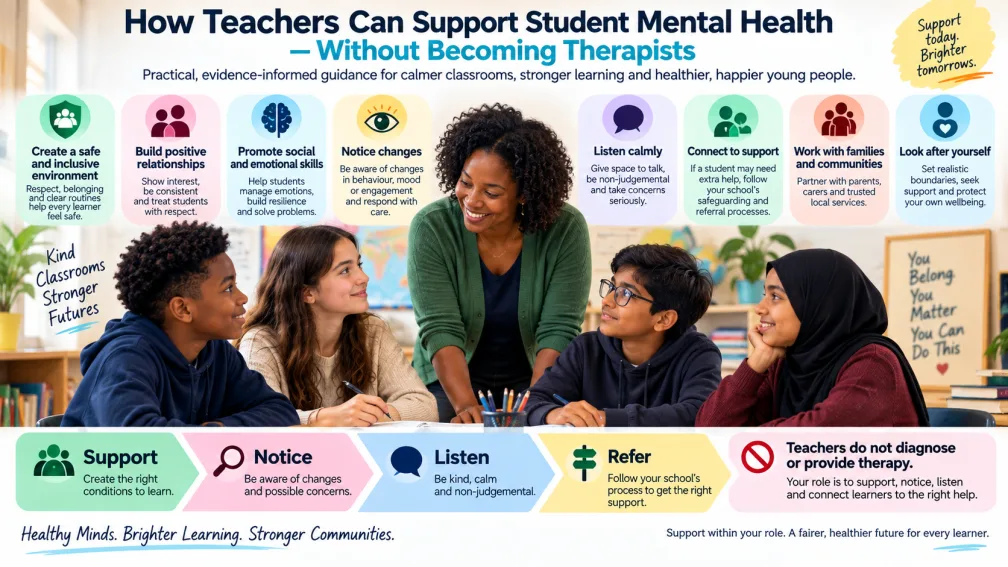
Teachers can support student mental health without diagnosing or providing therapy. Learn practical classroom strategies for safety, relationships, listening, referral and teacher wellbeing.
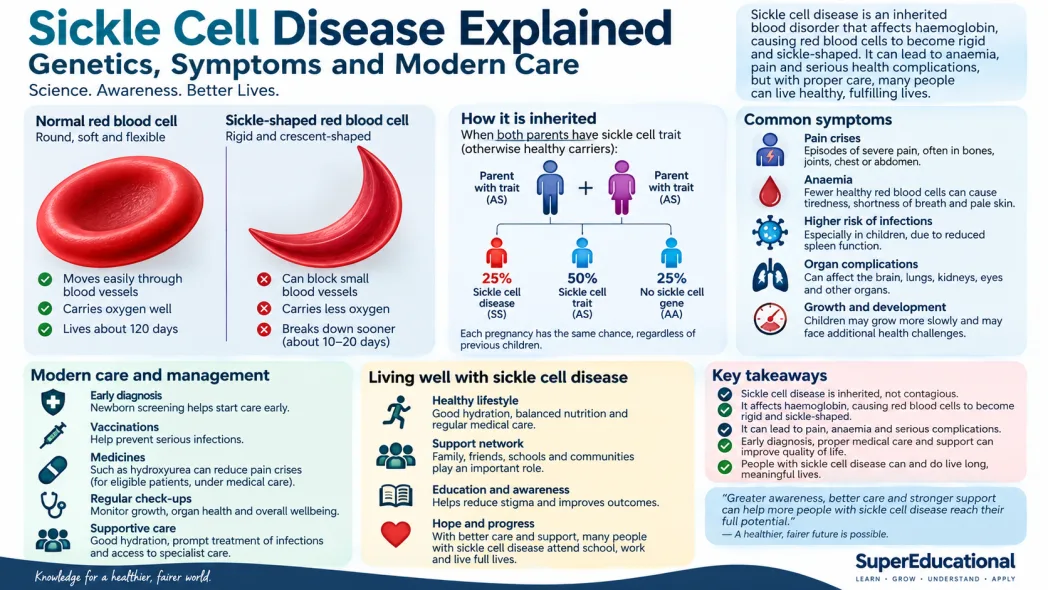
Sickle cell disease is an inherited blood disorder involving abnormal haemoglobin. This guide explains inheritance, symptoms, testing, complications and modern care.
Joan Brugge. Niles Singer/Harvard Staff Photographer How did her sister — once vibrant and healthy — become so sick so fast? Joan Brugge’s decadeslong profe...
Who needs opioids? Kathleen Refior HSDM Communications September 10, 2026 5 min read As concerns about misuse persist, paper suggests role for...
Illustration by Liz Zonarich/Harvard Staff Does having a bad dream make you a bad person? Psychologist breaks down what those negative night narratives migh...