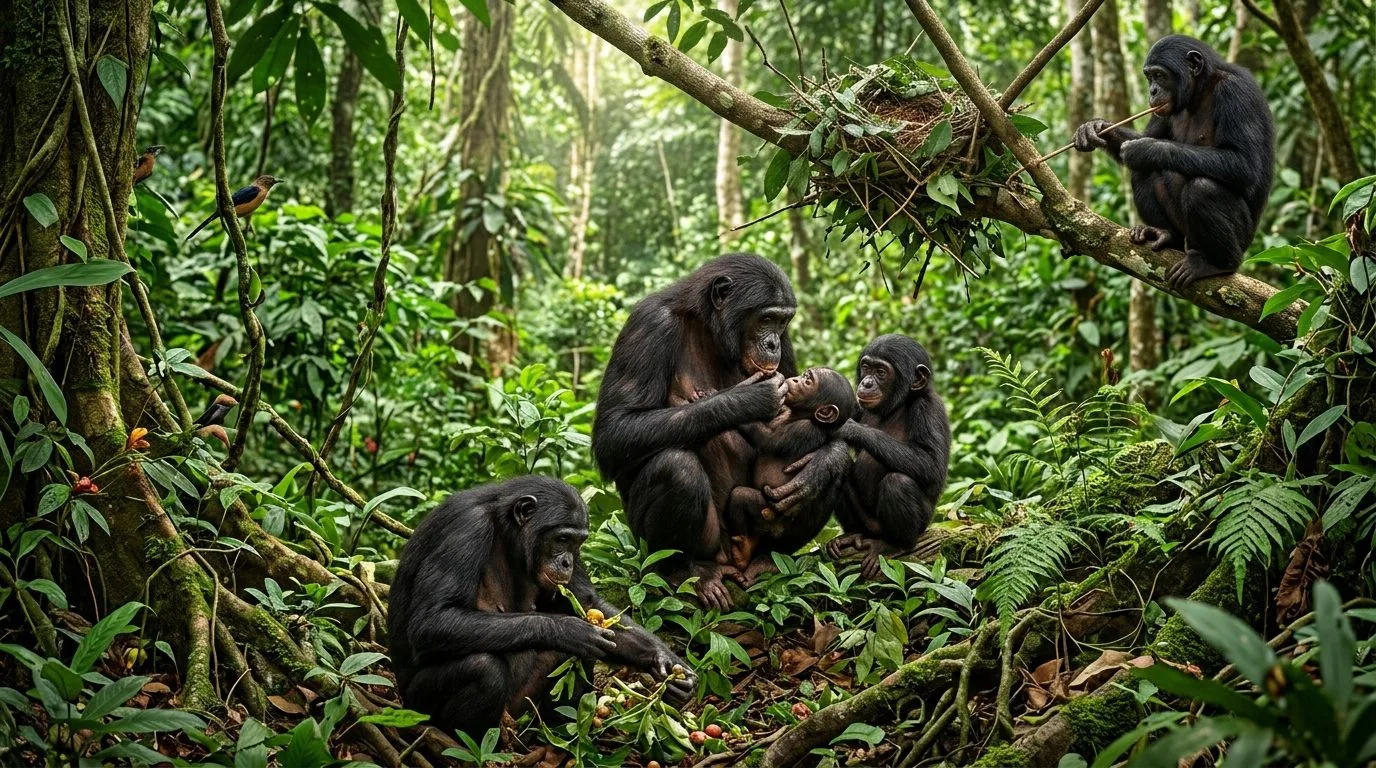
Bonobos: Behaviour, Habitat, Diet and Intelligence
Discover bonobos' rainforest habitat, fruit-rich diet, female-led alliances, intelligence, tool use and conservation in the Democratic Republic of the Congo.
Understand space, machines, infrastructure and the engineering ideas that turn difficult problems into working systems.
Sign in to follow
Discover bonobos' rainforest habitat, fruit-rich diet, female-led alliances, intelligence, tool use and conservation in the Democratic Republic of the Congo.
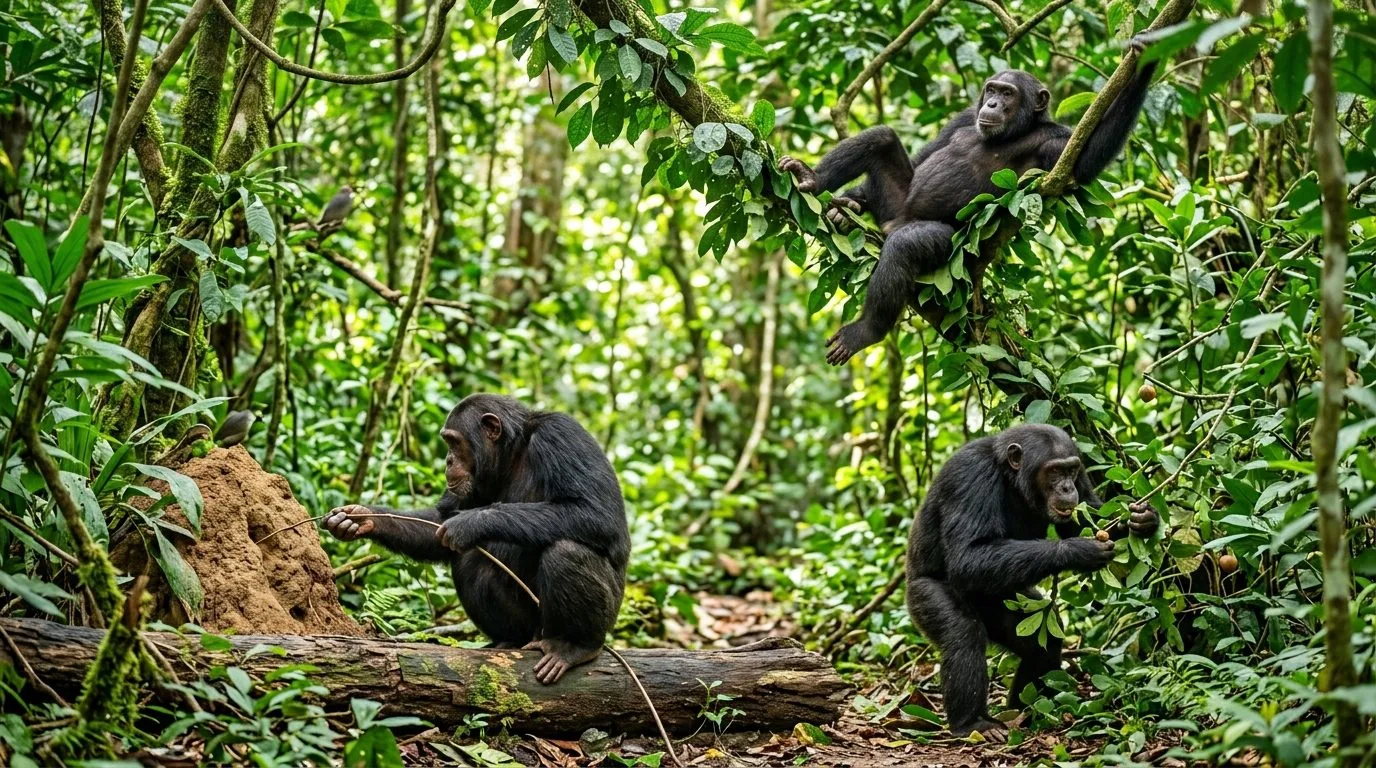
Learn where chimpanzees live, what they eat, how they communicate and use tools, and why these intelligent great apes are endangered.
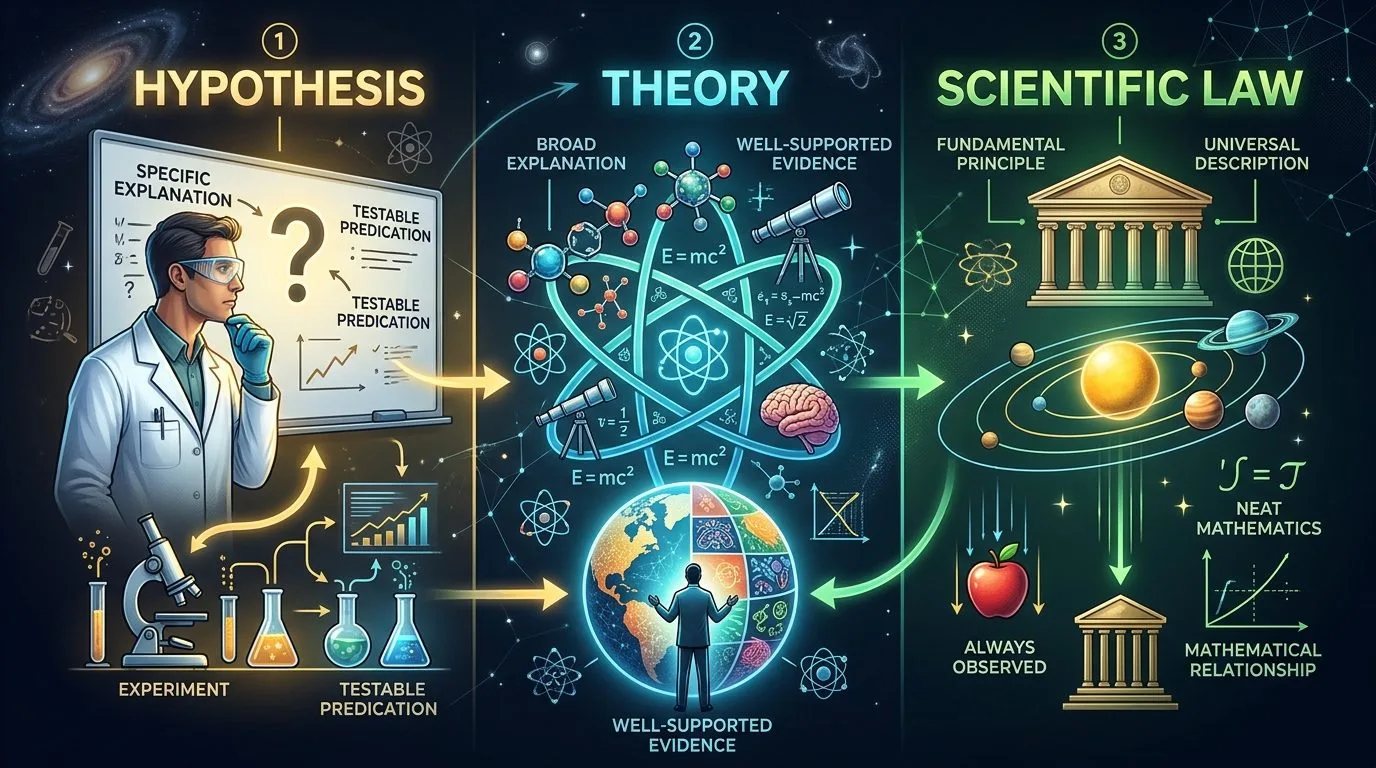
Hypothesis vs theory vs scientific law explained with an easy comparison chart, examples from physics, chemistry and biology, misconceptions, and a quiz.
How does a telephone work? Explore microphones, sound waves, landline switching, cell towers, digital speech, VoLTE and 5G networks in a clear science guide.
Learn how to design a fair science experiment with variables, control groups, repeat trials, a worked toy-car example, results and a planning worksheet.
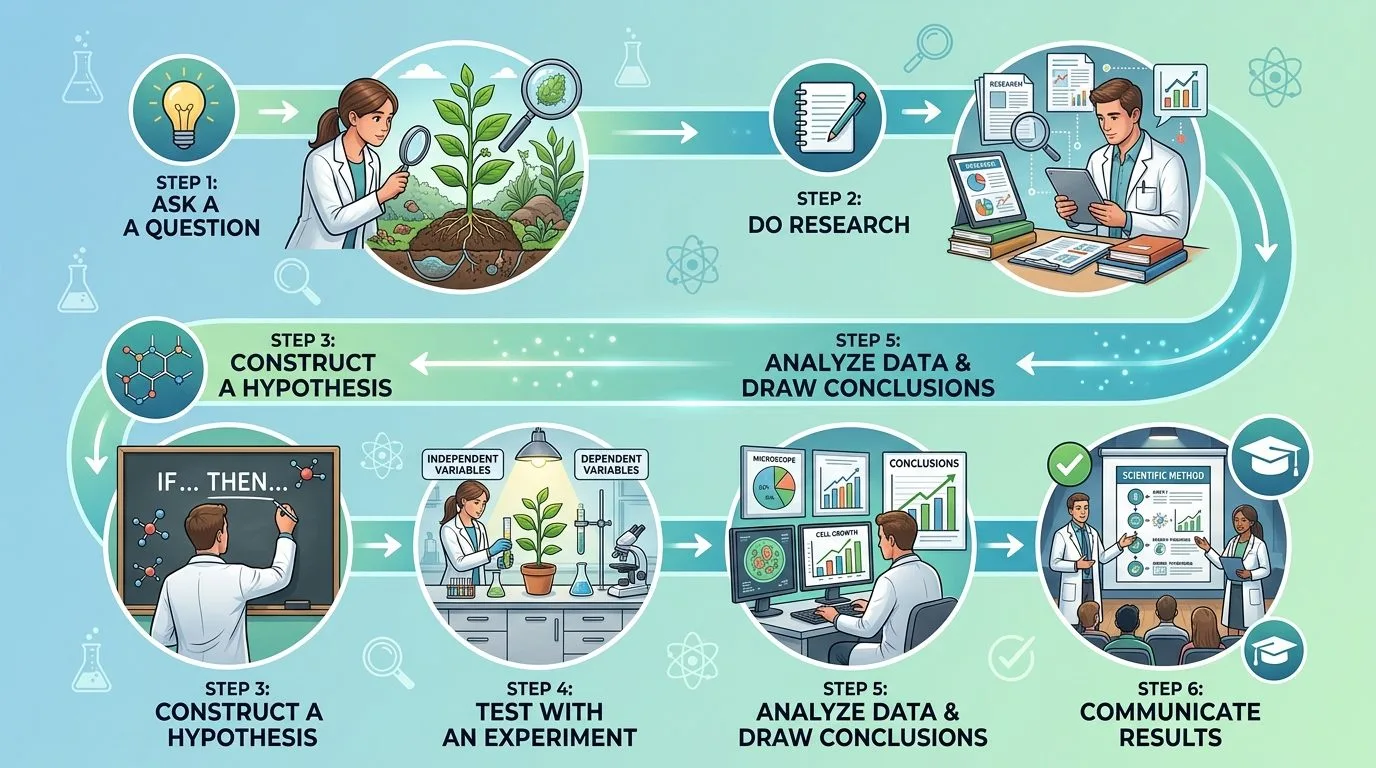
Understand the scientific method with steps, testable hypotheses, variables and a worked experiment. Learn to analyse data and draw evidence-based conclusions.
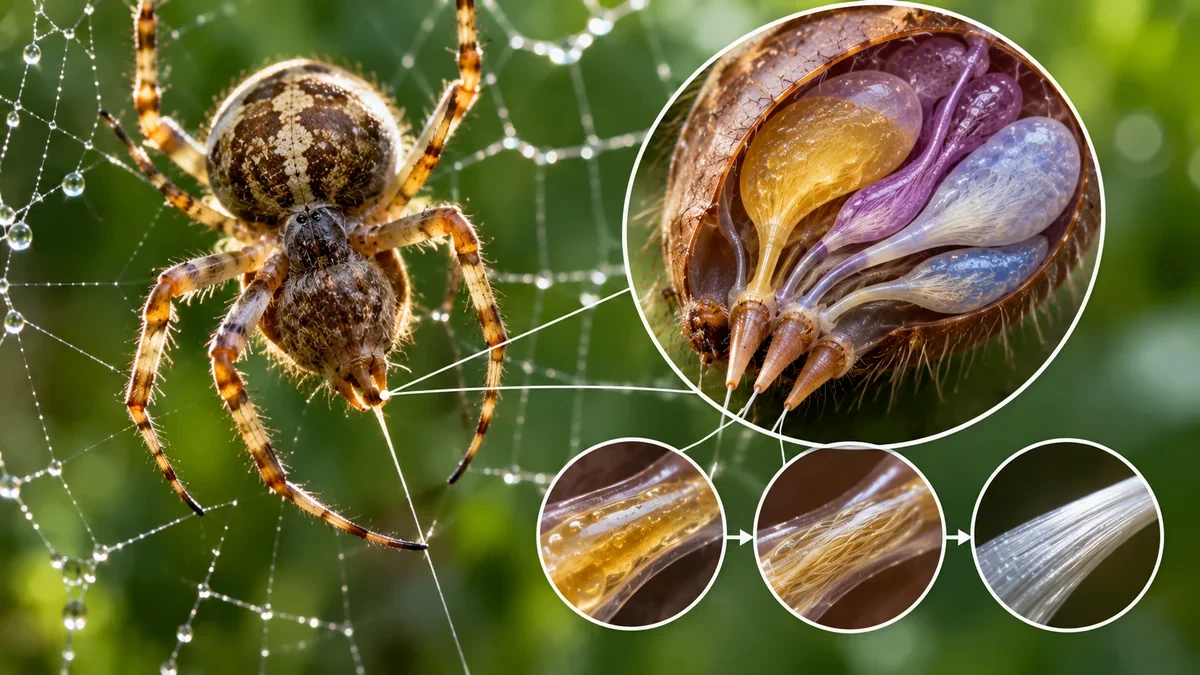
How do spiders make silk? Learn how spidroins become fibres in silk glands and spinnerets, plus seven silk types, web building, strength and uses.
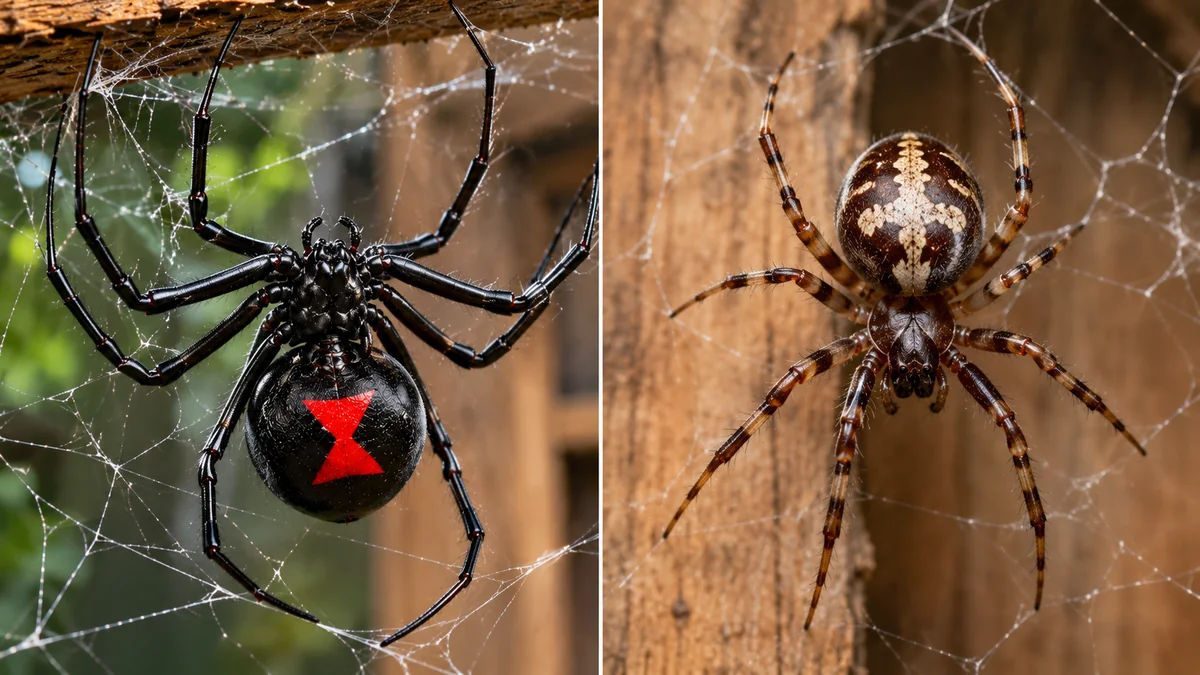
Black widow vs false widow: compare the red hourglass, pale back markings, size, webs, habitat, bite symptoms and safe identification tips.
Improve your maths skills with a four-week study plan, a diagnostic quiz, daily 30-minute routine, worked examples, error notebook and progress tracker.
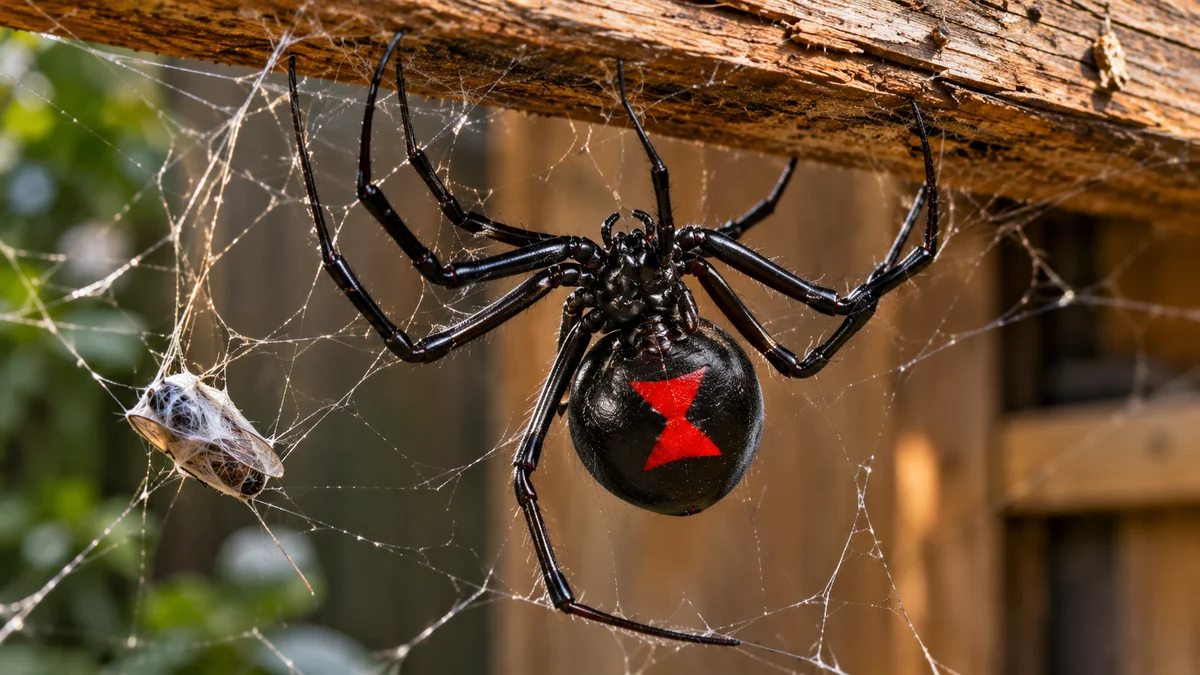
Discover black widow spider facts: identify species and markings, understand webs and habitats, learn how venom works and what to do after a suspected bite.
What is mathematics? Explore arithmetic, algebra, geometry, calculus, statistics and more, with real-life examples, study paths and practice questions.
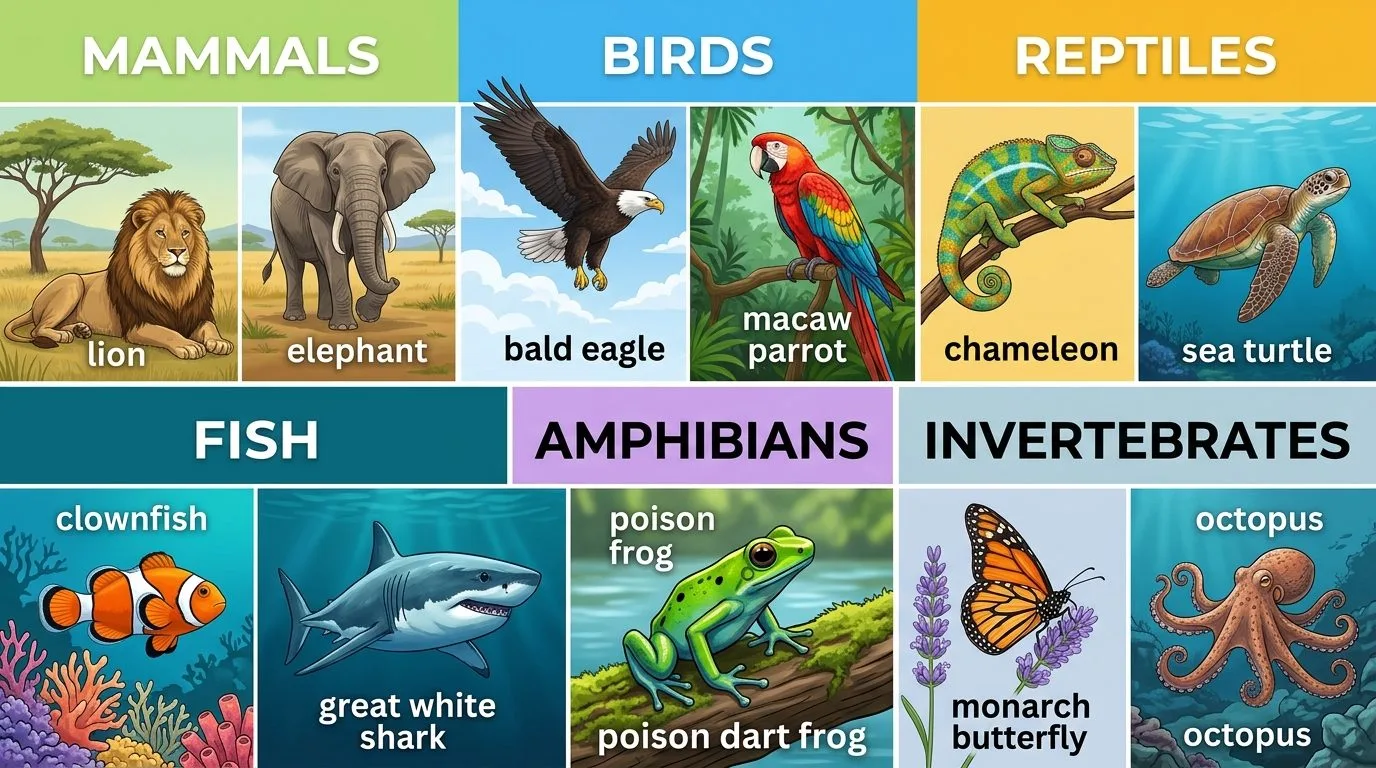
Use this animal classification chart to compare mammals, birds, reptiles, amphibians, fish and invertebrates, with examples, taxonomy tables and a printable-style worksheet.