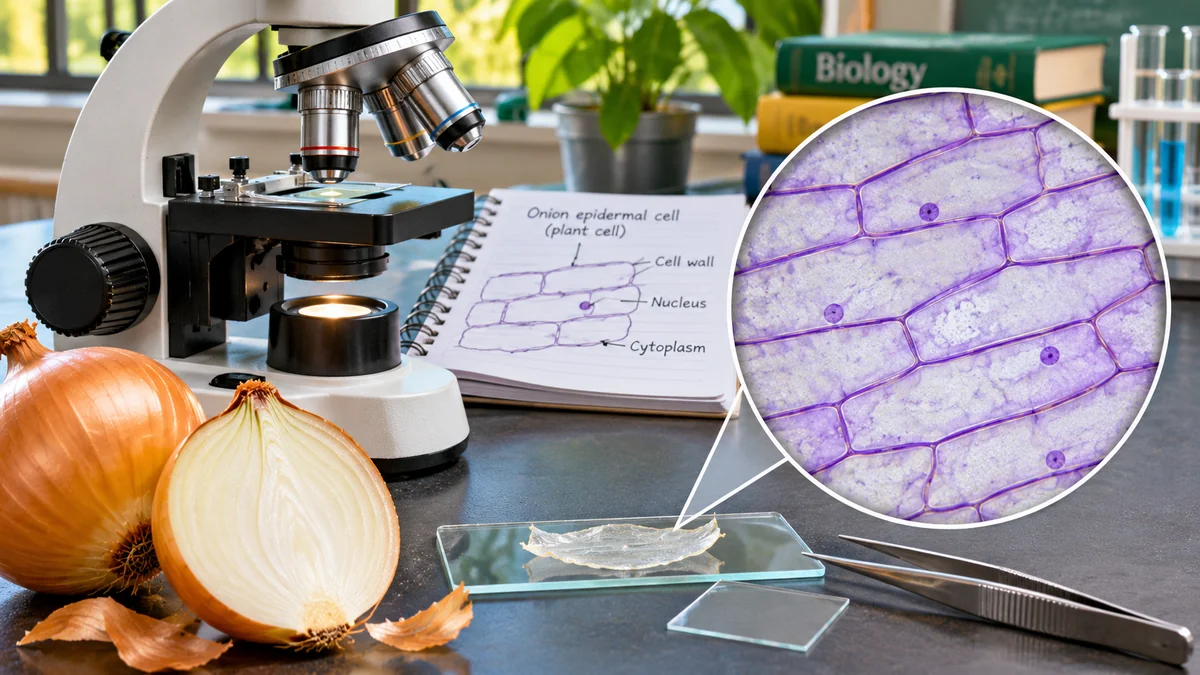
Onion Cells Under a Microscope: A Classroom Biology Activity
Learn to observe onion cells under a microscope with a safe classroom wet-mount activity, optional iodine staining, labelled cell structures and calculations.
Understand space, machines, infrastructure and the engineering ideas that turn difficult problems into working systems.
Sign in to follow
Learn to observe onion cells under a microscope with a safe classroom wet-mount activity, optional iodine staining, labelled cell structures and calculations.
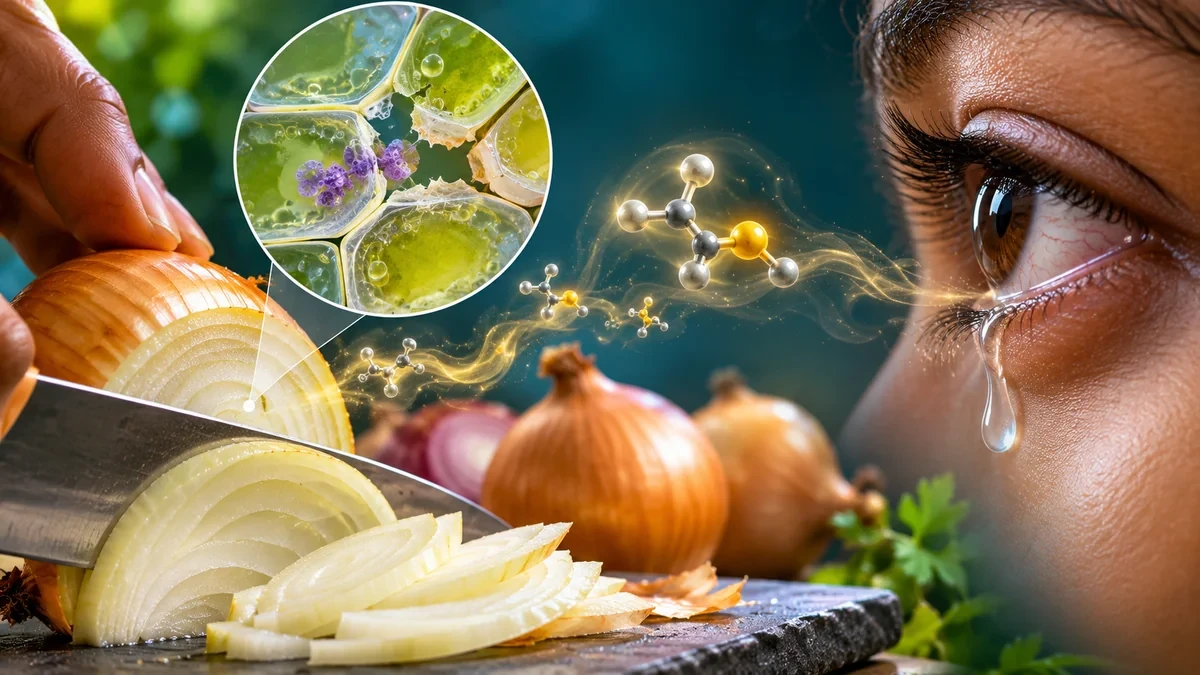
Why do onions make you cry? Discover the chemical behind onion tears, how enzymes create it and which chopping tips can help reduce irritation.
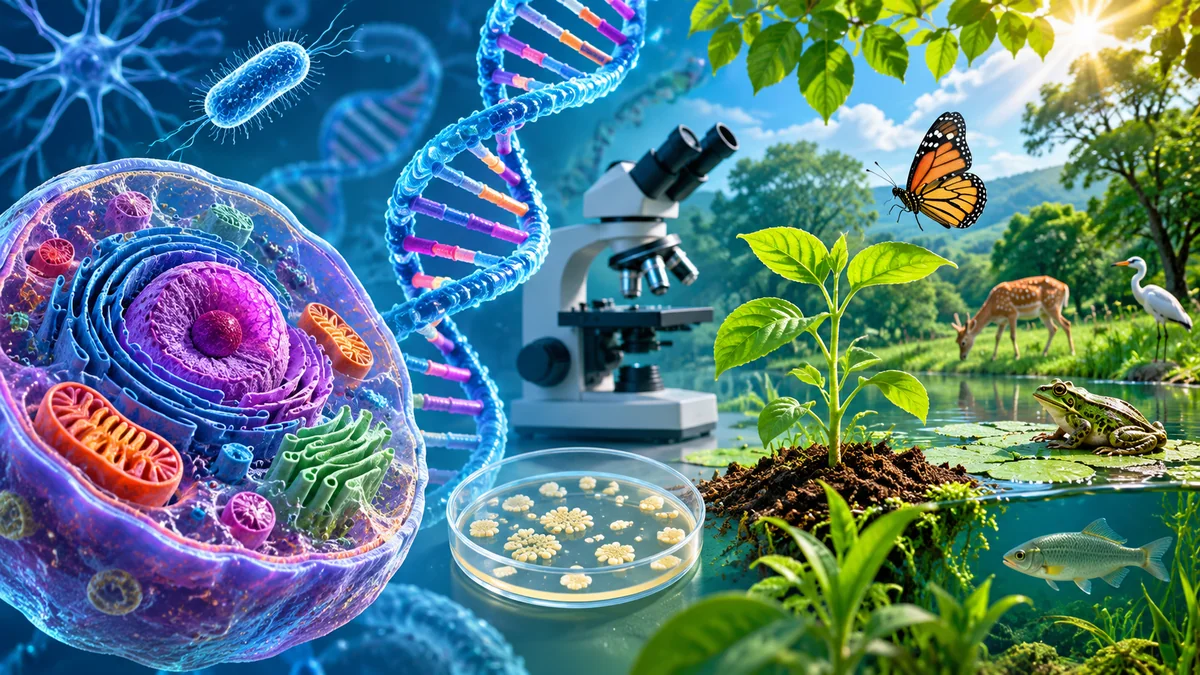
Explore the branches of biology, from cell biology and genetics to ecology, microbiology and zoology, with definitions, examples and a comparison chart.
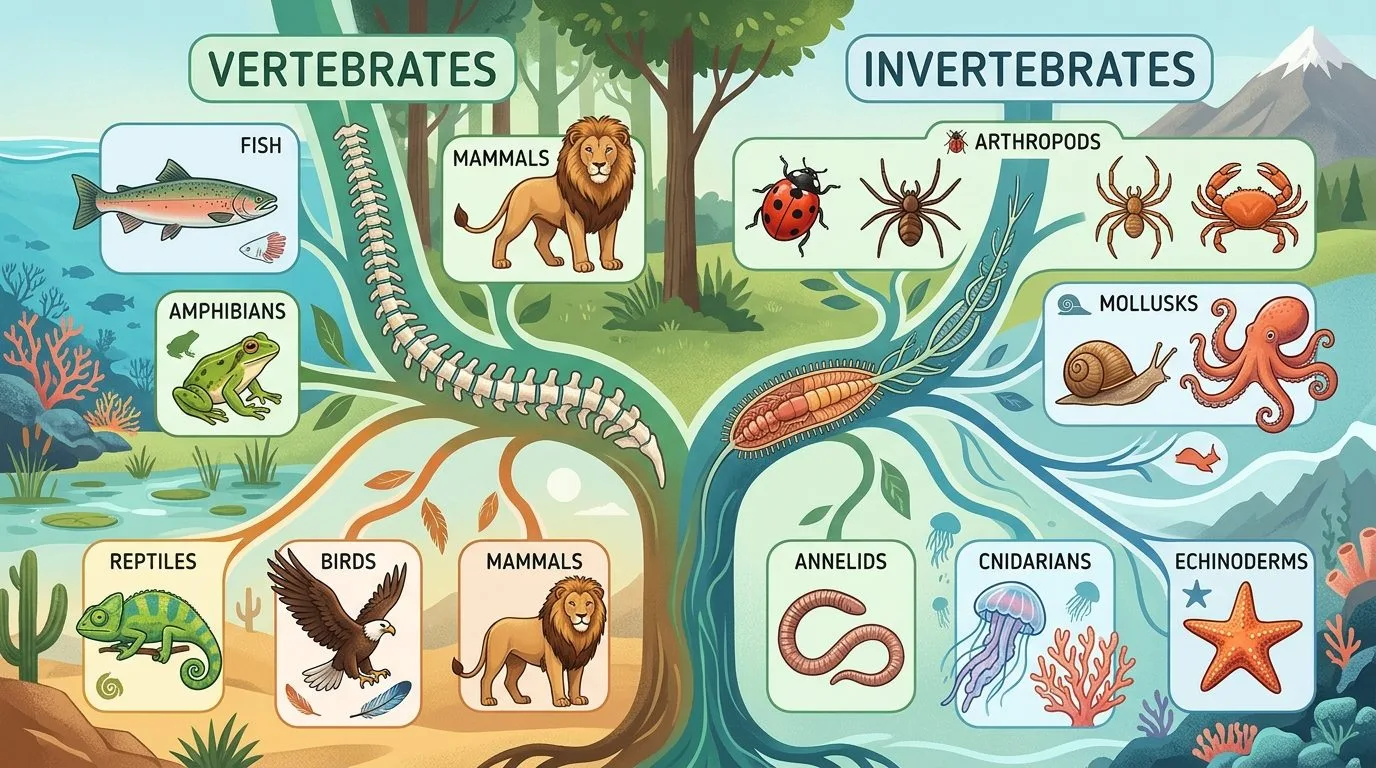
Learn animal classification with a clear guide to vertebrates, invertebrates, animal phyla, examples, comparison charts, a classroom key and quiz.
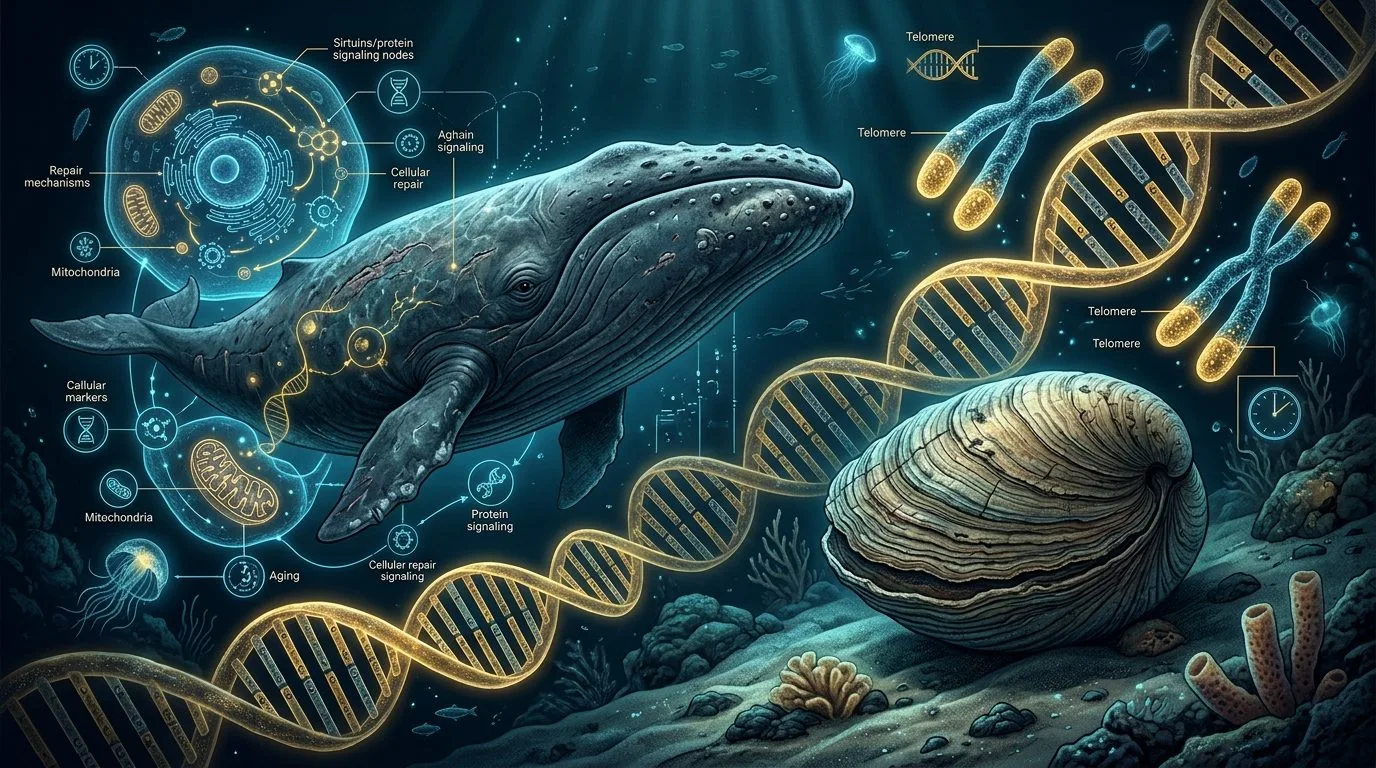
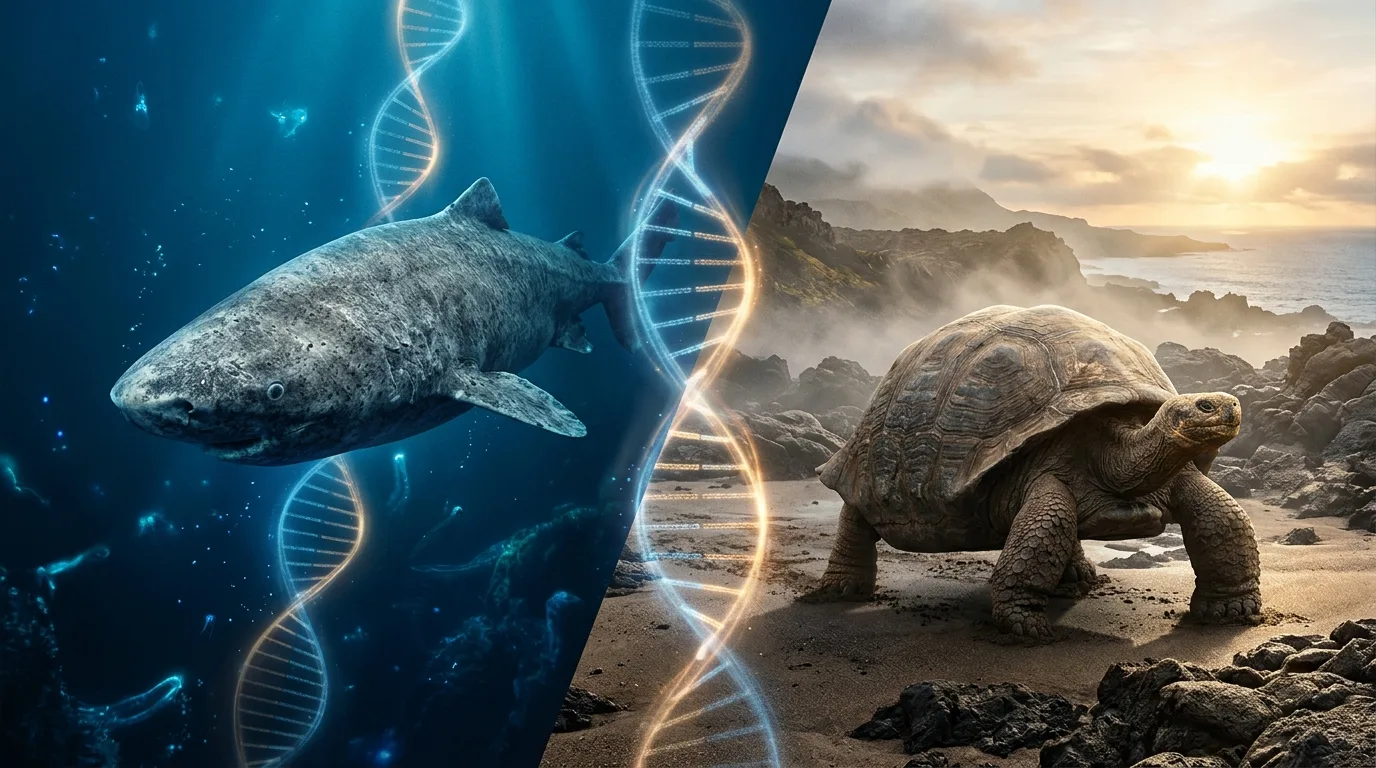
Why do some animals live for centuries? Explore the science of extreme longevity, from whale DNA repair and shark genetics to tortoise ageing and resilient clams.
Discover the longest-living animals, from a 507-year-old clam and Greenland sharks to ancient coral colonies, and the science of their remarkable ages.
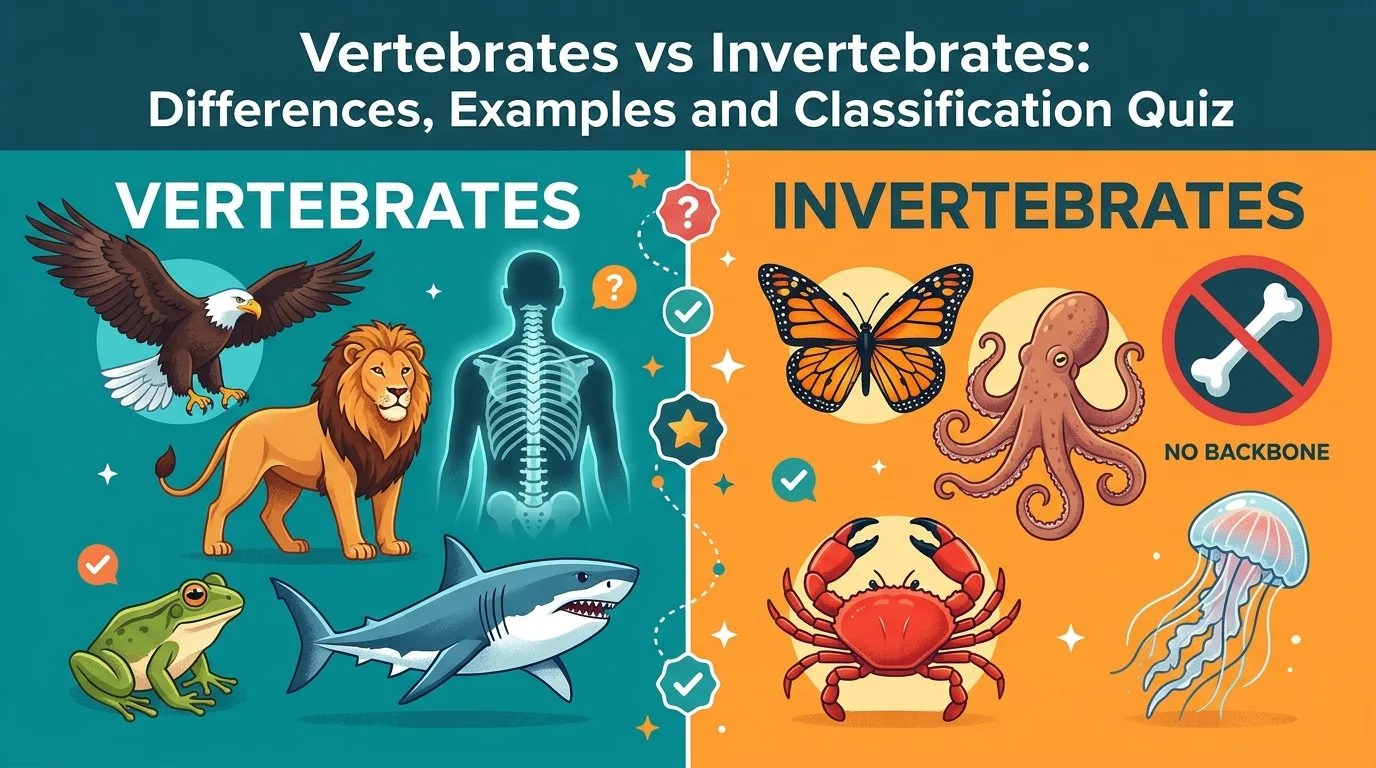
Compare vertebrates vs invertebrates with simple definitions, examples, a skeleton comparison chart, tricky exceptions and a 15-question classification quiz.
Landline vs mobile phones: see how calls travel through copper, fibre, cell towers and 4G/5G networks, plus differences in quality, reliability and power.
AI-powered flashcard generators promise faster revision, but do they help students learn more effectively than handwritten cards? Explore what educational research reveals about memory, active recall, digital study tools and the strengths of traditional flashcards—with practical advice on choosing the right method.
A good exam revision plan should fit your subjects, deadlines, available time and learning difficulties. Discover how to use AI to build a practical study timetable, schedule effective revision sessions, practise with past papers and update your plan as you improve.
Artificial intelligence can help students understand difficult subjects, create revision materials, practise exam questions, and identify knowledge gaps. This beginner-friendly guide explains how popular AI study tools work, which ones to consider, and how to use them responsibly for more effective learning.
Learn what yardangs are, how wind abrasion and deflation carve them, how they differ from dunes, and what Curiosity's 2026 Mars observations reveal about long-term erosion.