Animal Classification Chart: Mammals, Birds, Reptiles, Fish and More
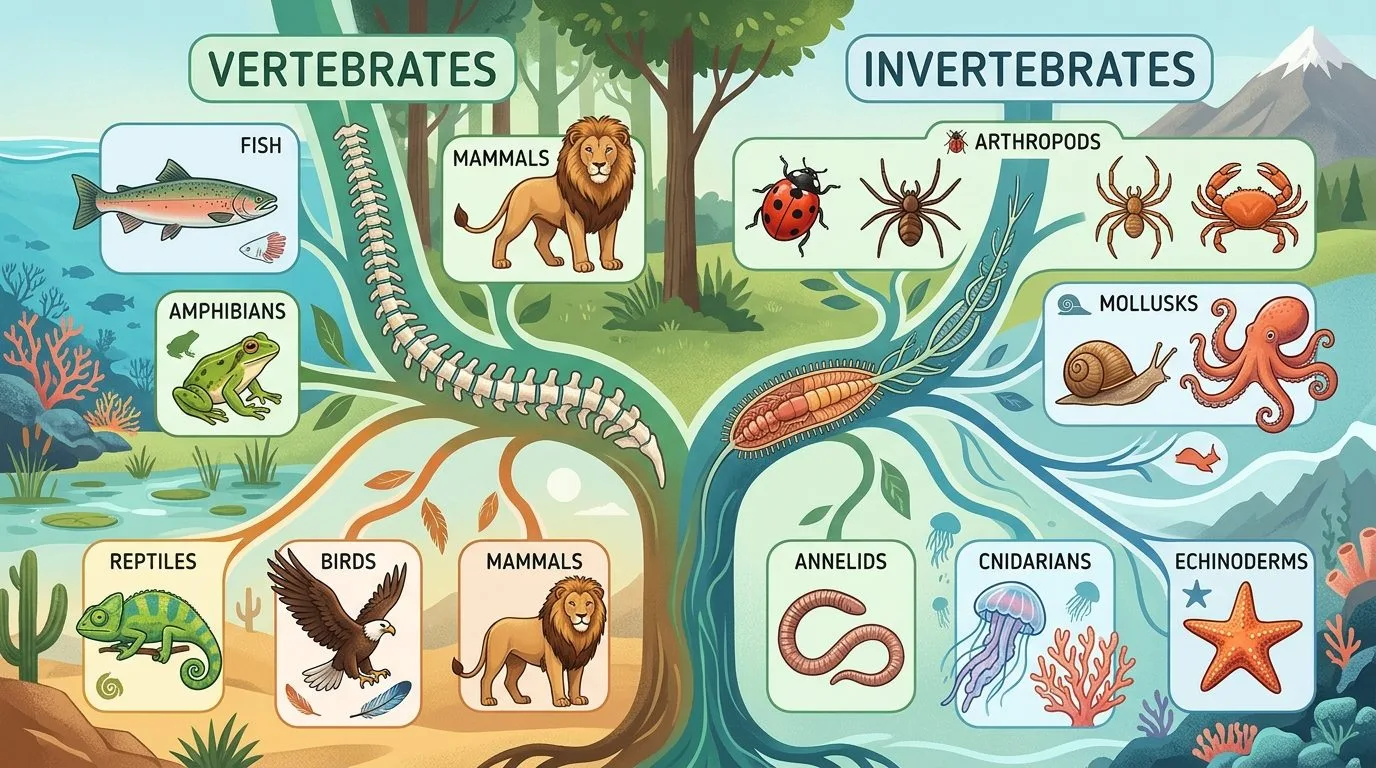
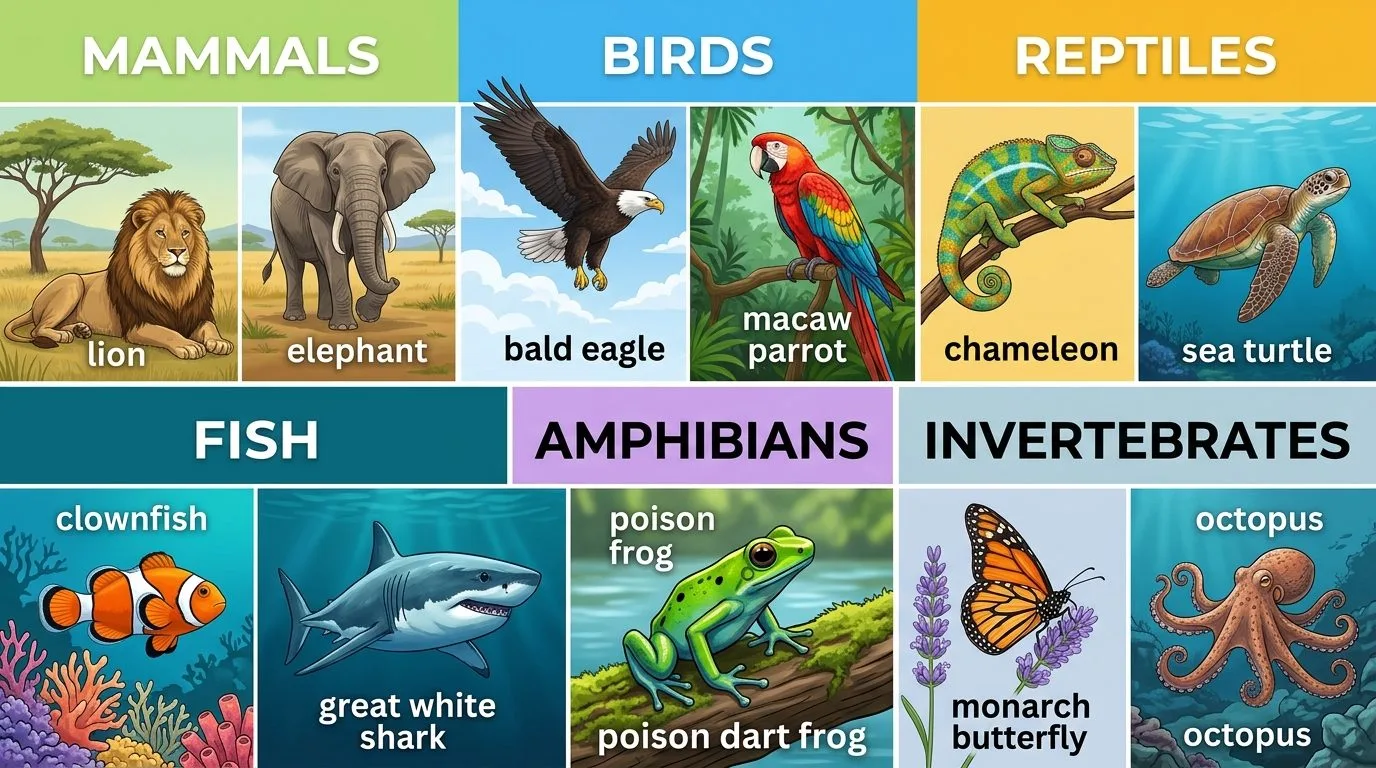
Use this animal classification chart to compare mammals, birds, reptiles, amphibians, fish and invertebrates, with examples, taxonomy tables and a printable-style worksheet.
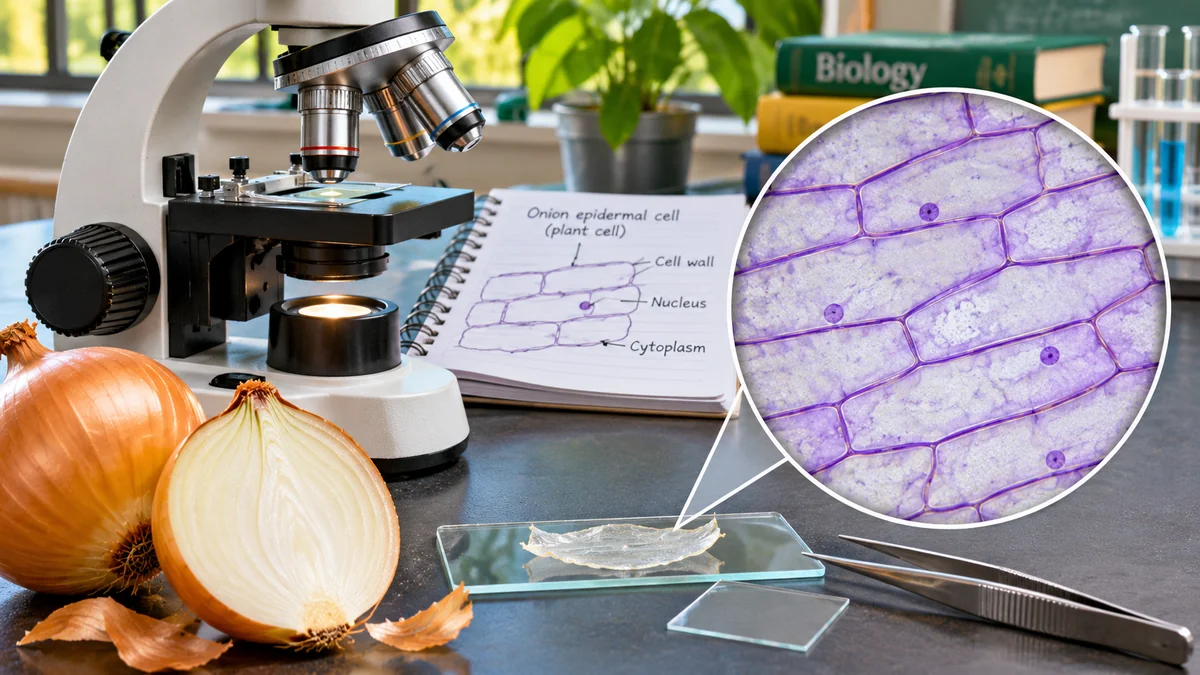
Learn to observe onion cells under a microscope with a safe classroom wet-mount activity, optional iodine staining, labelled cell structures and calculations.
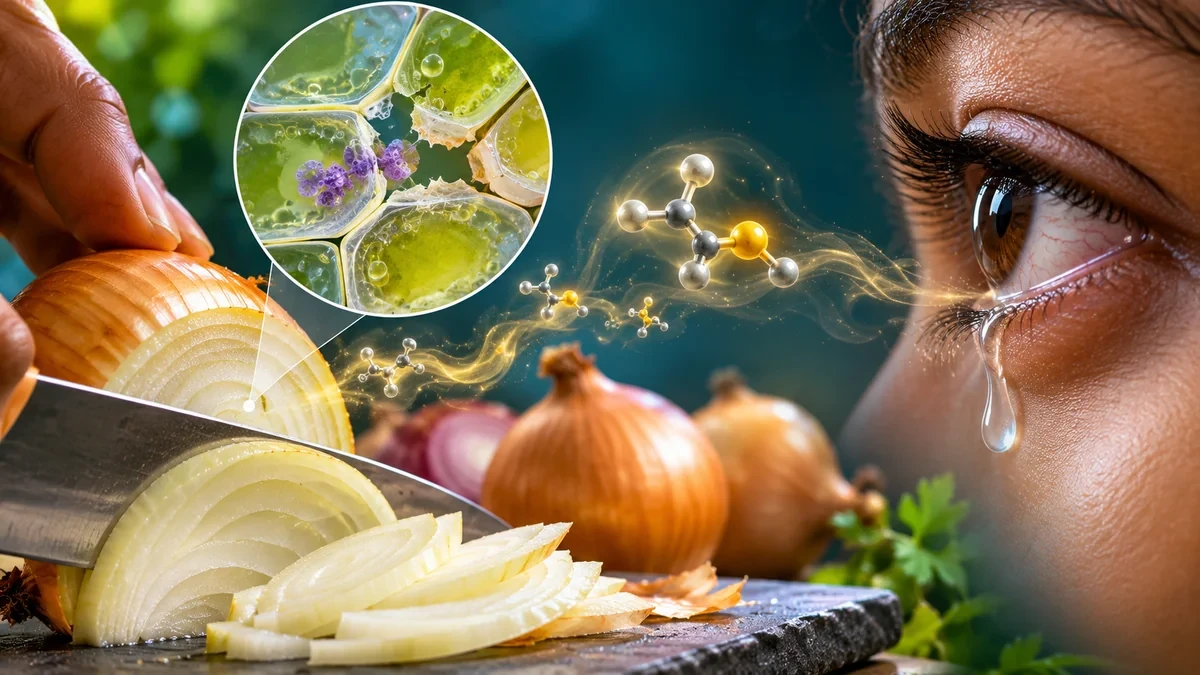
Why do onions make you cry? Discover the chemical behind onion tears, how enzymes create it and which chopping tips can help reduce irritation.
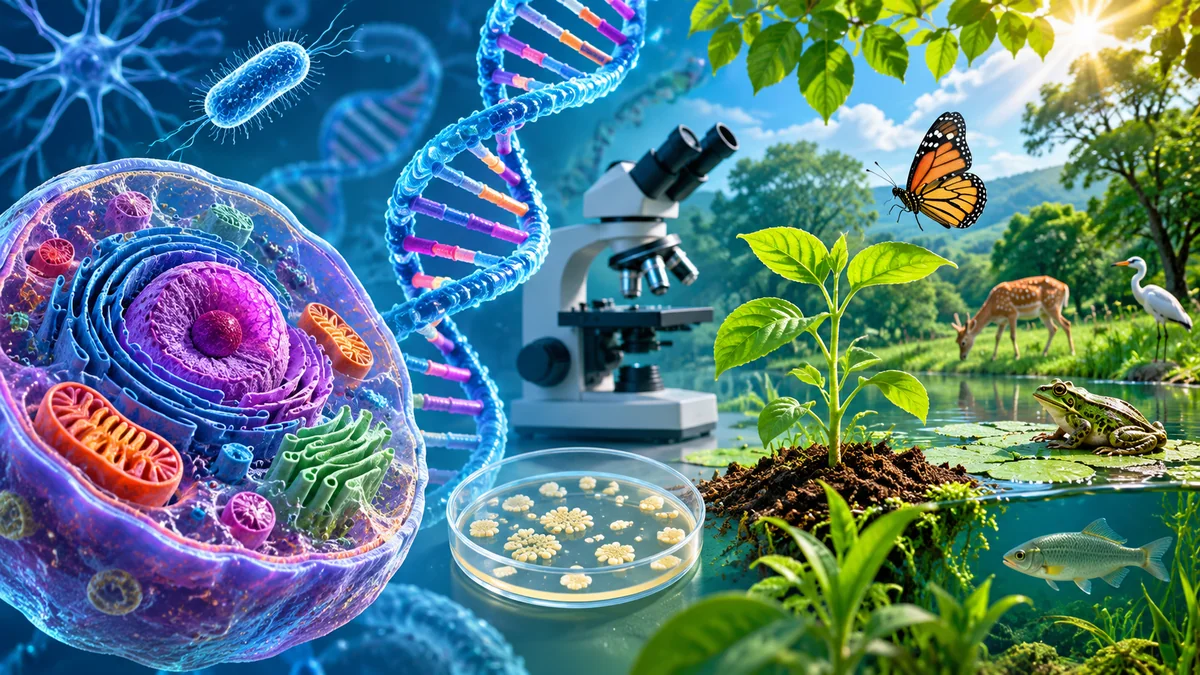
Explore the branches of biology, from cell biology and genetics to ecology, microbiology and zoology, with definitions, examples and a comparison chart.
Learn animal classification with a clear guide to vertebrates, invertebrates, animal phyla, examples, comparison charts, a classroom key and quiz.
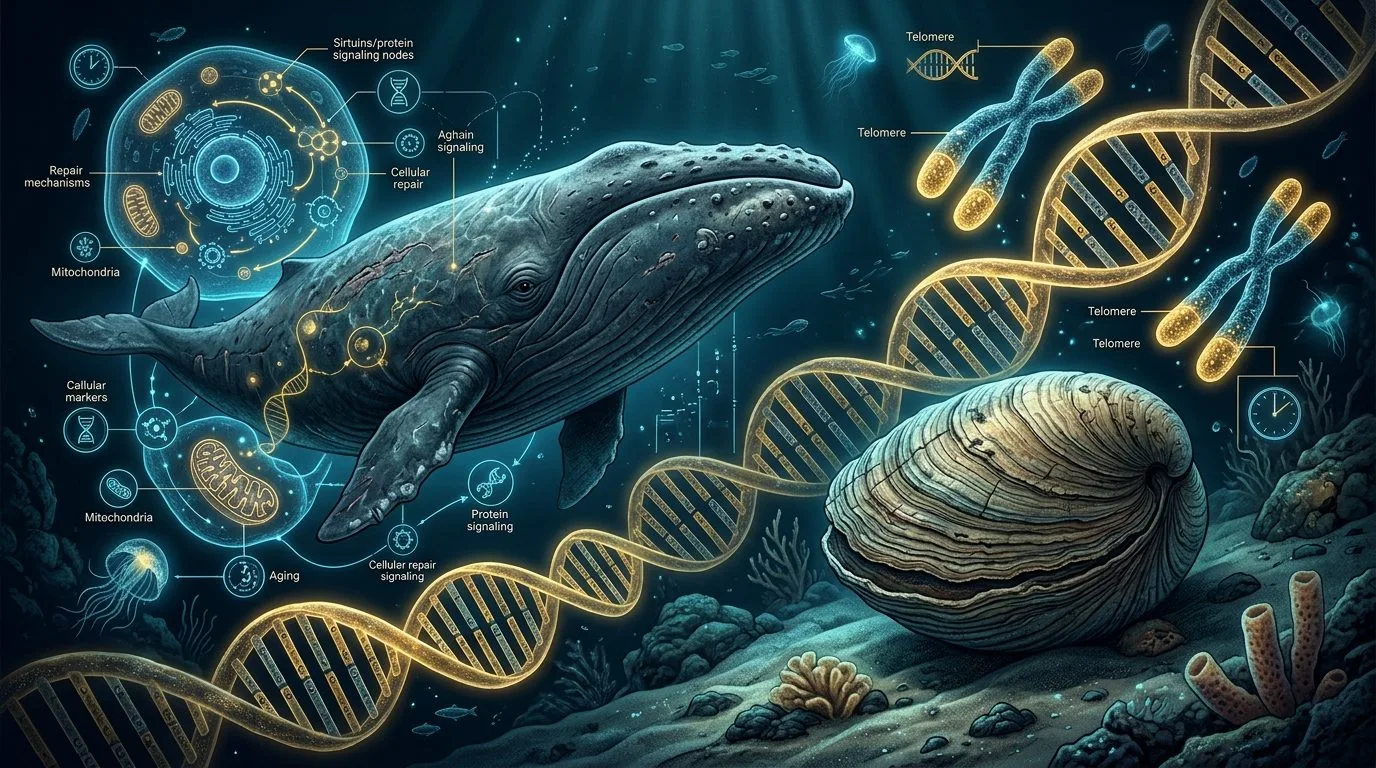
Why do some animals live for centuries? Explore the science of extreme longevity, from whale DNA repair and shark genetics to tortoise ageing and resilient clams.
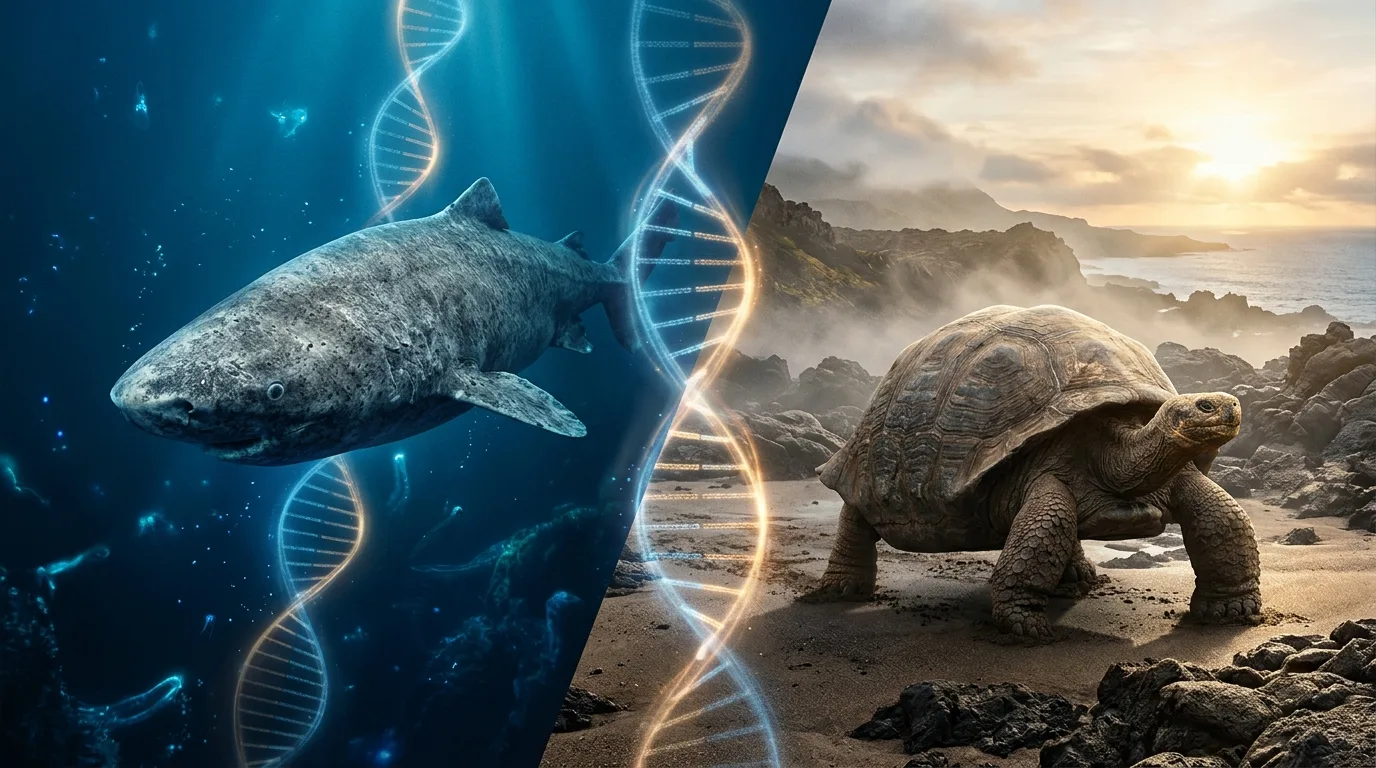
Discover the longest-living animals, from a 507-year-old clam and Greenland sharks to ancient coral colonies, and the science of their remarkable ages.
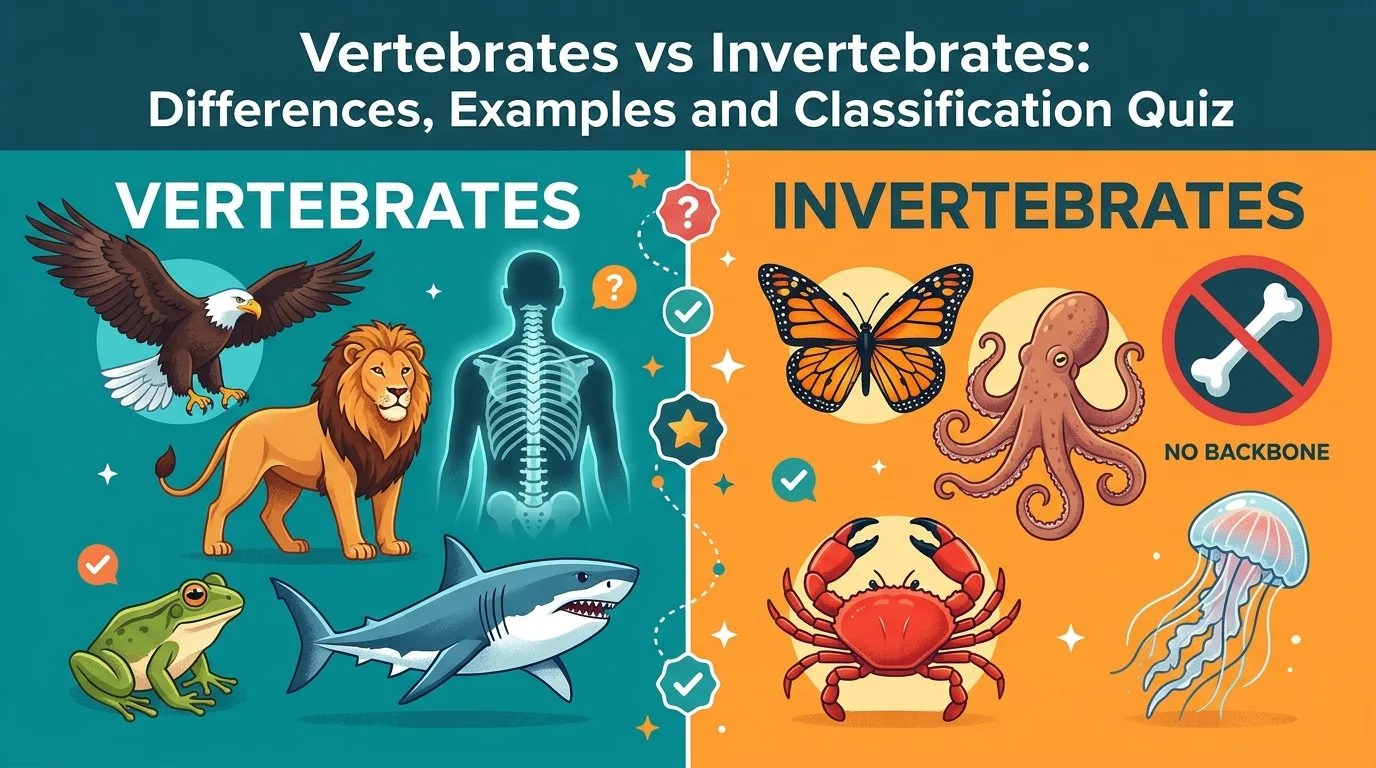
Compare vertebrates vs invertebrates with simple definitions, examples, a skeleton comparison chart, tricky exceptions and a 15-question classification quiz.
Landline vs mobile phones: see how calls travel through copper, fibre, cell towers and 4G/5G networks, plus differences in quality, reliability and power.
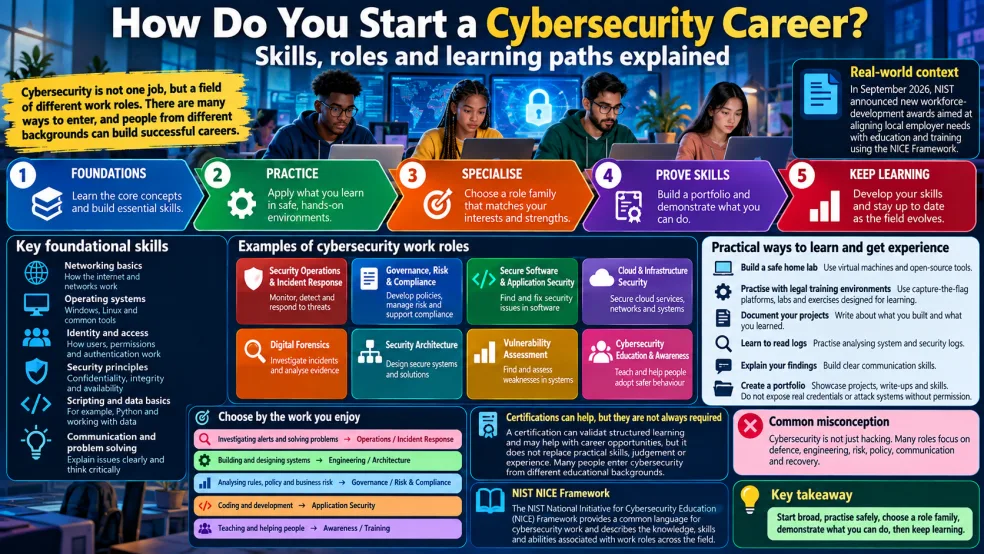
Learn how to start a cybersecurity career, which foundational skills matter, how different cyber roles fit together, how to practise safely and how to build evidence of your skills.
Elias 2-24 b is less than one million years old and still embedded in its birth disc. Learn how astronomers confirmed it and why the discovery challenges planet-formation models.
Arctic sea ice reached a likely 2026 minimum of 4.60 million km². Learn why the minimum occurs in September, what sea-ice extent means, how albedo works and how to read the long-term trend.