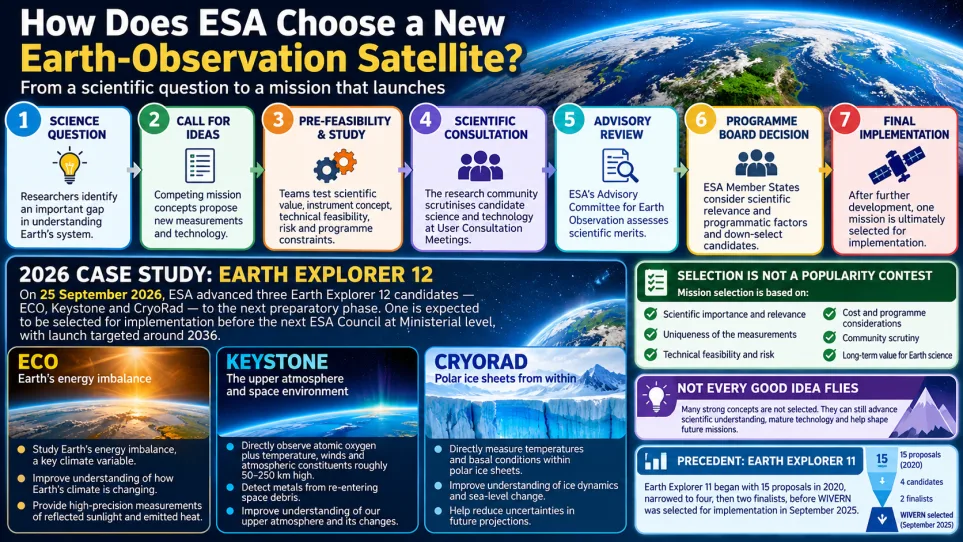
How Does ESA Choose a New Earth-Observation Satellite? Inside Earth Explorer Mission Selection
Learn how ESA’s Earth Explorer programme turns research questions into satellite missions, using ECO, Keystone and CryoRad as a 2026 case study.
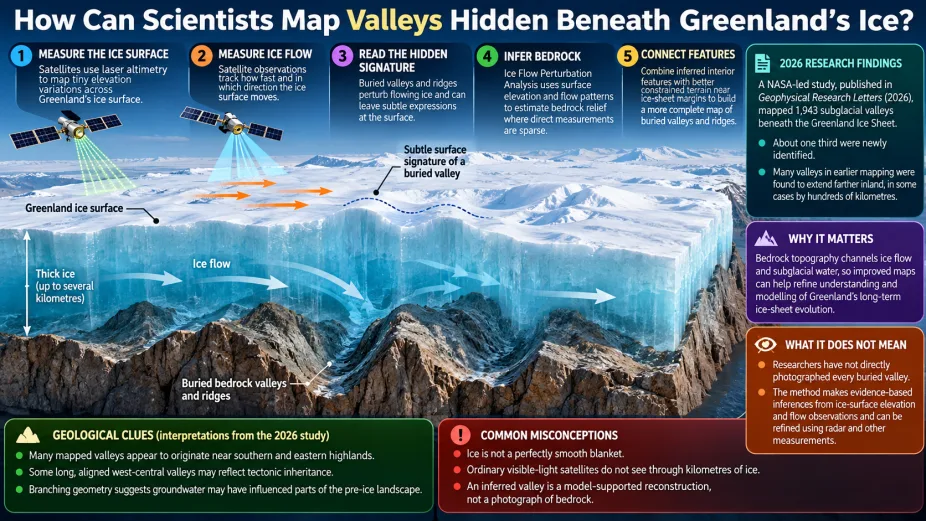
Learn how Ice Flow Perturbation Analysis reveals valleys hidden beneath Greenland’s ice, why bedrock topography matters and where the method’s uncertainties lie.
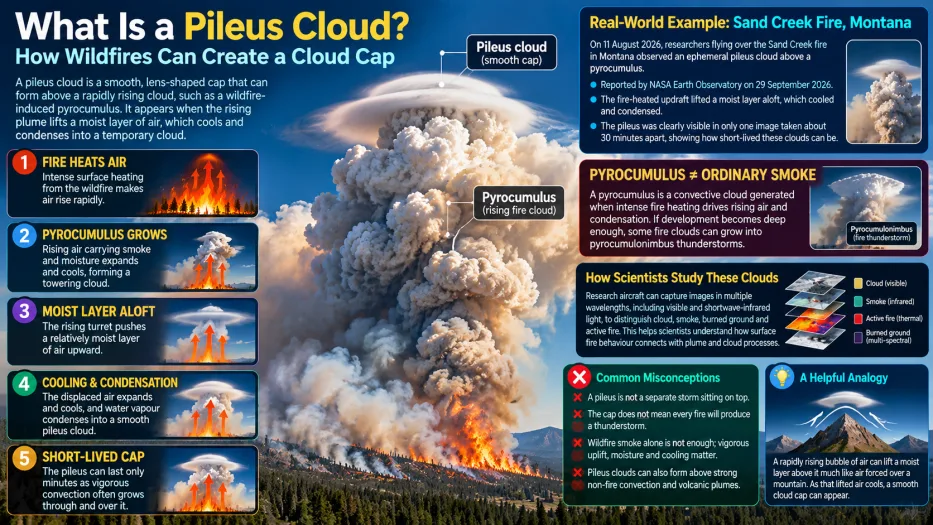
Learn how pileus clouds form above vigorous wildfire convection, how they differ from smoke and pyrocumulus, why they are short-lived and what they reveal about atmospheric motion.
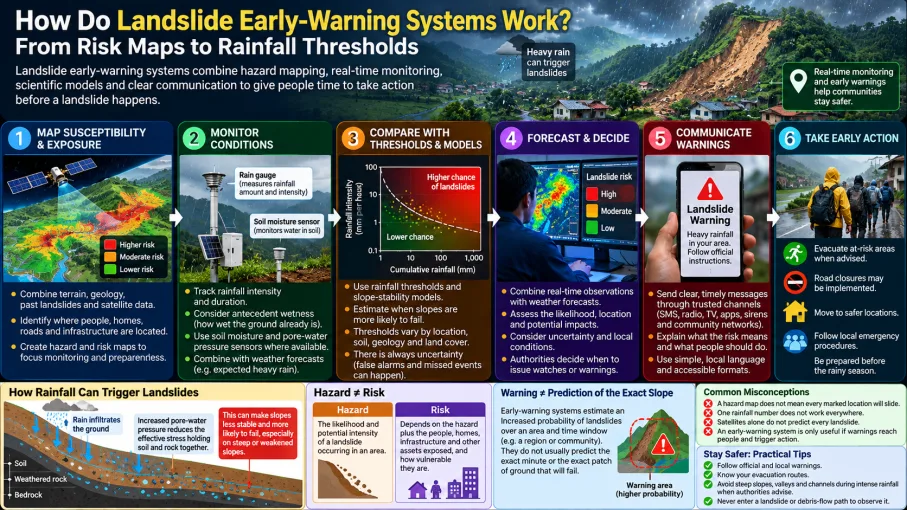
Learn how landslide early-warning systems turn terrain maps, rainfall, soil conditions and forecasts into practical warnings, and why uncertainty matters.
Learn what hurricane rapid intensification means, why warm deep water and favourable atmospheric conditions matter, how Hurricane Polo intensified so quickly, and why forecasting these changes remains challenging.
Arctic sea ice reached a likely 2026 minimum of 4.60 million km². Learn why the minimum occurs in September, what sea-ice extent means, how albedo works and how to read the long-term trend.
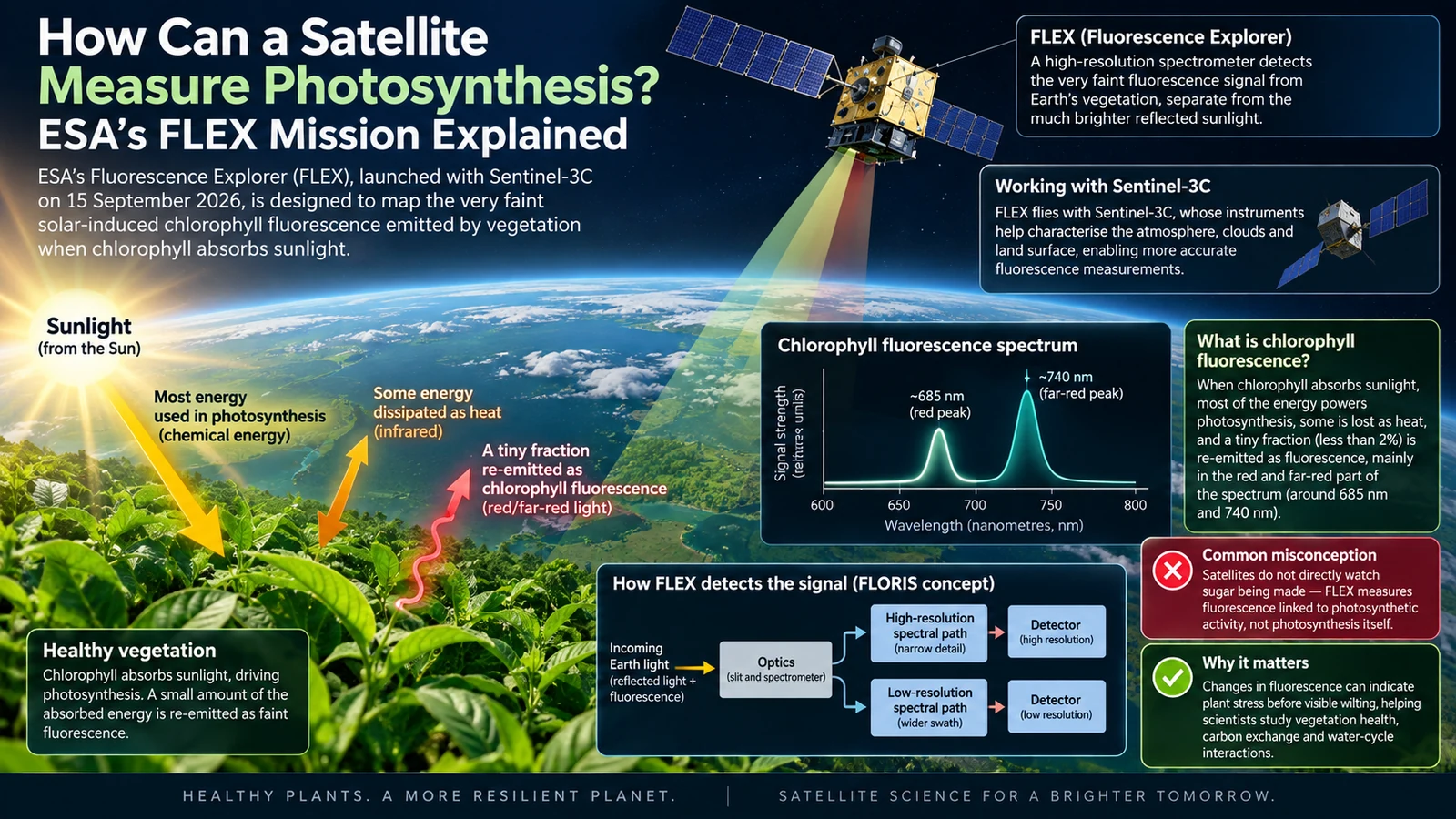
ESA’s FLEX mission maps faint chlorophyll fluorescence from vegetation. Learn how that glow relates to photosynthetic activity, plant stress and Earth’s carbon and water cycles.
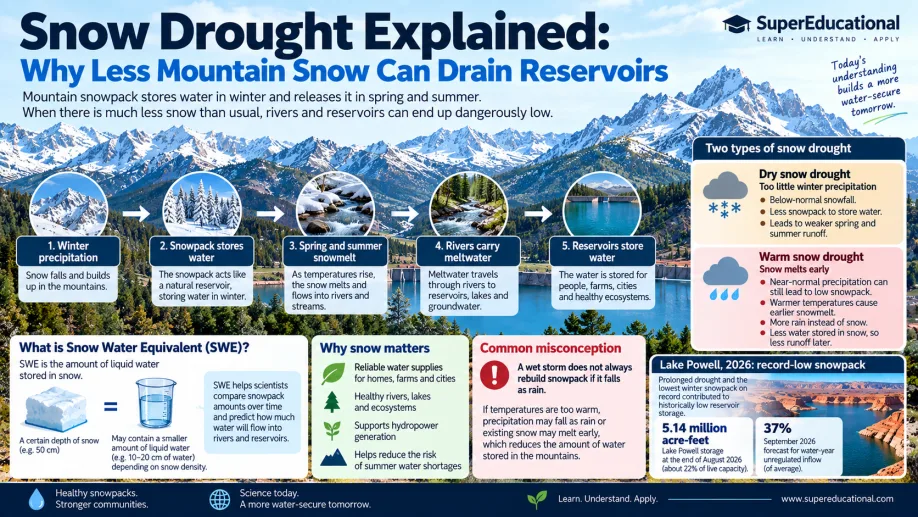
Learn what snow drought means, the difference between dry and warm snow drought, how snow water equivalent works, and why low mountain snowpack can reduce reservoir inflows.
Record 32% of new vehicle sales to be EVs in 2030, study finds Report sees strong growth despite recent loss of federal incentives Alvin Powell Harvard...
Record 38% of new vehicle sales to be EVs in 2030, study finds Report sees strong growth despite recent loss of federal incentives Alvin Powell Harvard...
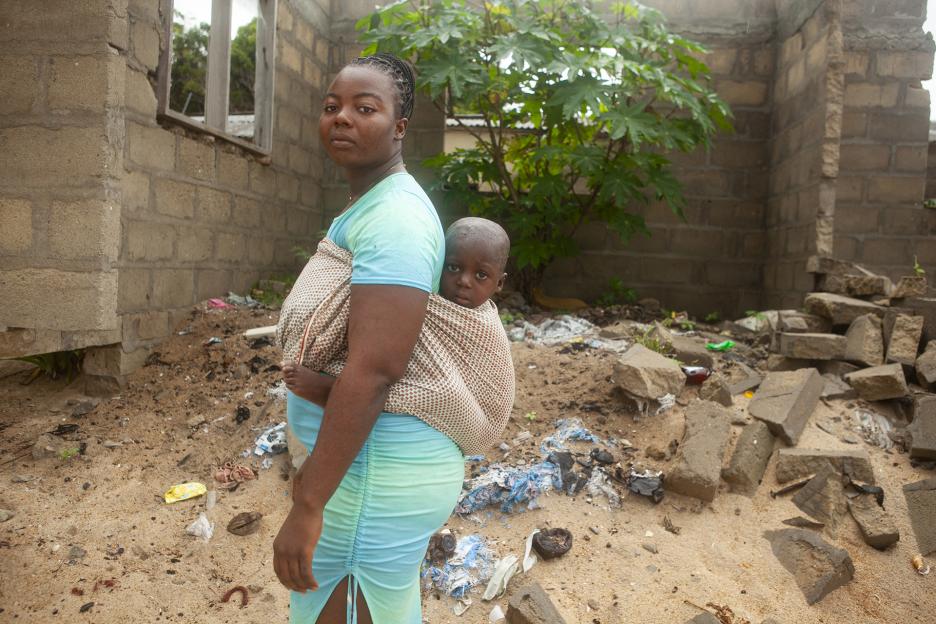
When the sea steals homes and jobs Makoko, a fishing community and informal settlement on a lagoon in Lagos, Nigeria, is built on stilts, allowing residents t...
Ocean currents do far more than move seawater. Driven by winds, Earth's rotation, tides and differences in water density, they redistribute heat, bring nutrients towards the surface, influence ecosystems and weather, transport pollutants and connect distant parts of the planet.