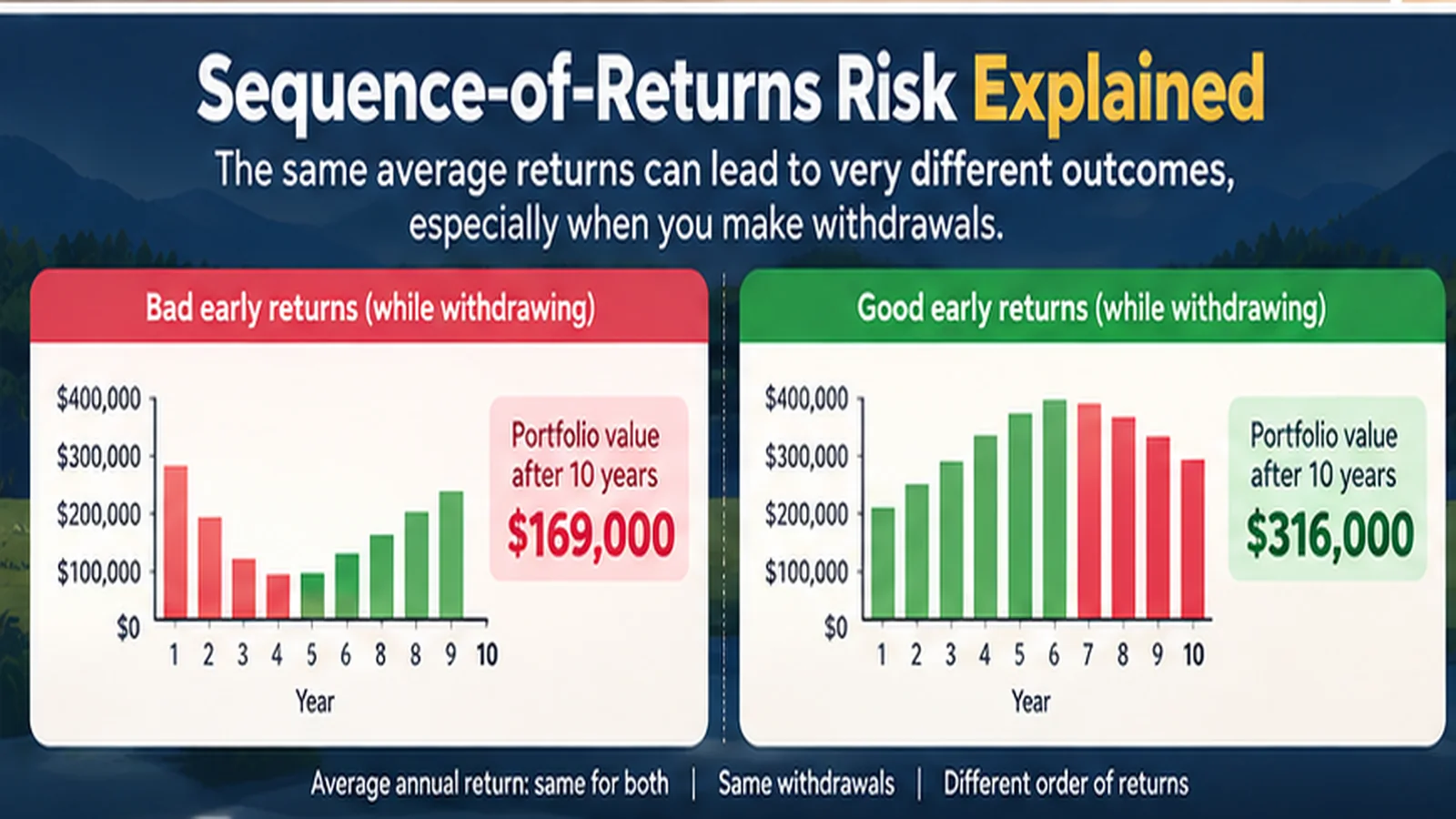
Sequence-of-returns risk is the risk that the order of investment gains and losses can affect how long a portfolio lasts when withdrawals are being made. Two investors can experience similar average returns over time yet end up with very different outcomes if one suffers large losses early in retirement or another withdrawal period.
Why the order of returns matters
When no money is being withdrawn, the order of annual returns generally matters much less than the compounded result over the full period. But once withdrawals begin, poor returns early in the sequence can be especially damaging because money is being removed while asset values are already depressed.
Investor.gov identifies sequence-of-returns risk as a distinct investment concept, while recent educational material from Charles Schwab and Fidelity explains that early market declines can have an outsized effect on retirement portfolios that are simultaneously funding withdrawals.
A simple example
Imagine two portfolios that experience the same set of annual returns, but in reverse order. If no withdrawals are made, both can finish with the same ending value because multiplication is not affected by the order of the annual return factors.
If £20,000 is withdrawn each year, however, the result can change. An early decline forces the investor to fund spending from a smaller portfolio and may require selling more units at depressed prices. Those units are then unavailable to participate in a later recovery.
Accumulation versus decumulation
Accumulation is the period when an investor is adding money to a portfolio. During a downturn, ongoing contributions can purchase more units at lower prices.
Decumulation is the period when an investor is withdrawing money. During a downturn, withdrawals can have the opposite effect: more units may need to be sold to raise the same amount of cash.
Why early losses can be harder to recover from
A portfolio that falls sharply early in retirement faces two pressures at once: market losses and withdrawals. Even if markets later recover, the portfolio may have fewer assets left to benefit from that recovery.
This does not mean a later loss is harmless. It means the timing of losses can matter more when withdrawals are occurring.
Sequence risk is not the same as average return risk
Average return summarizes performance, but it does not show the order in which returns occurred. For investors drawing income, that missing information can be important.
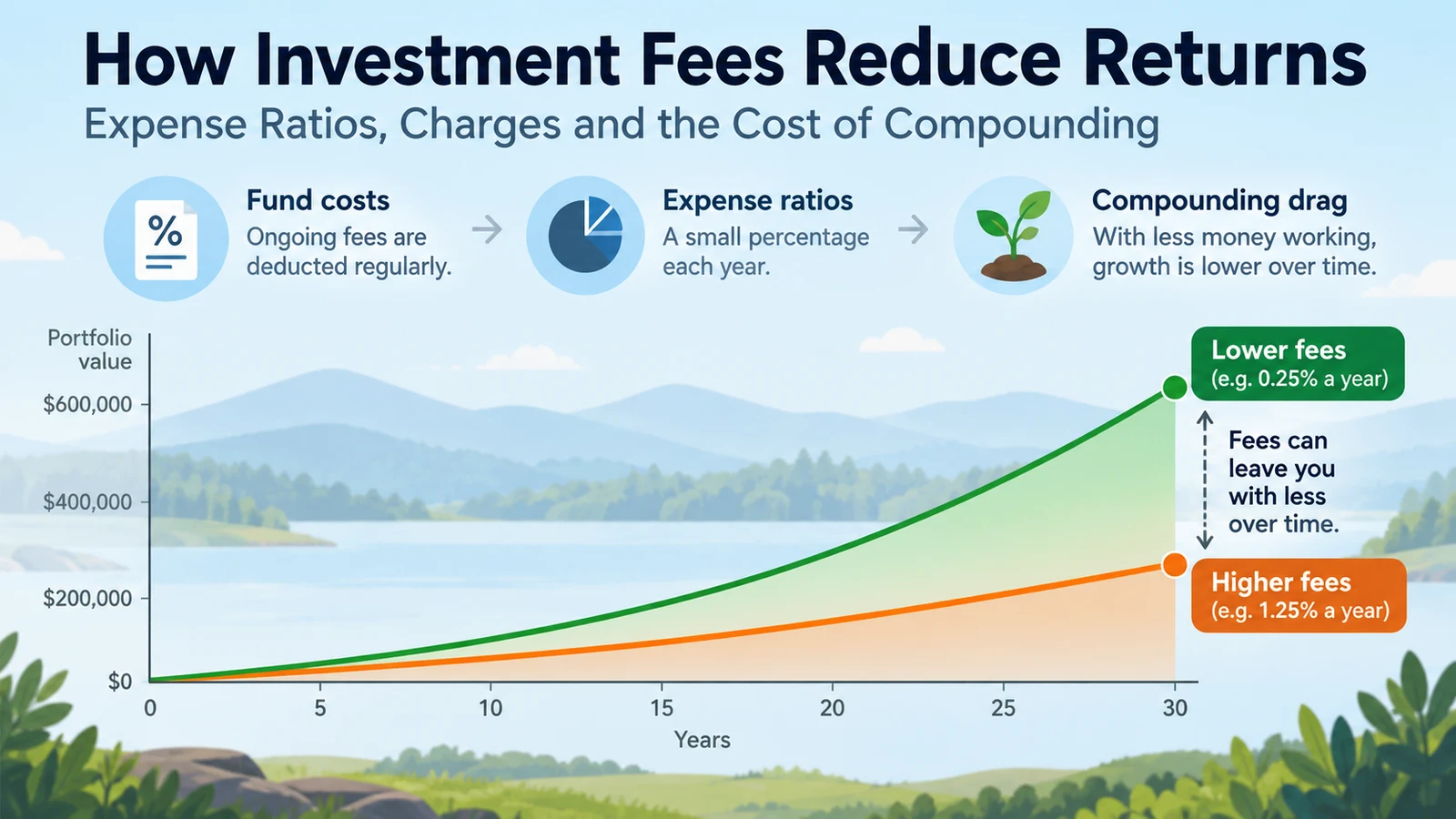
A 6% average return does not guarantee that a withdrawal plan will be sustainable. Volatility, inflation, taxes, fees, withdrawal amounts and the timing of negative years all affect the result.
Ways investors may manage the risk
Educational materials from major retirement providers commonly discuss several broad approaches:
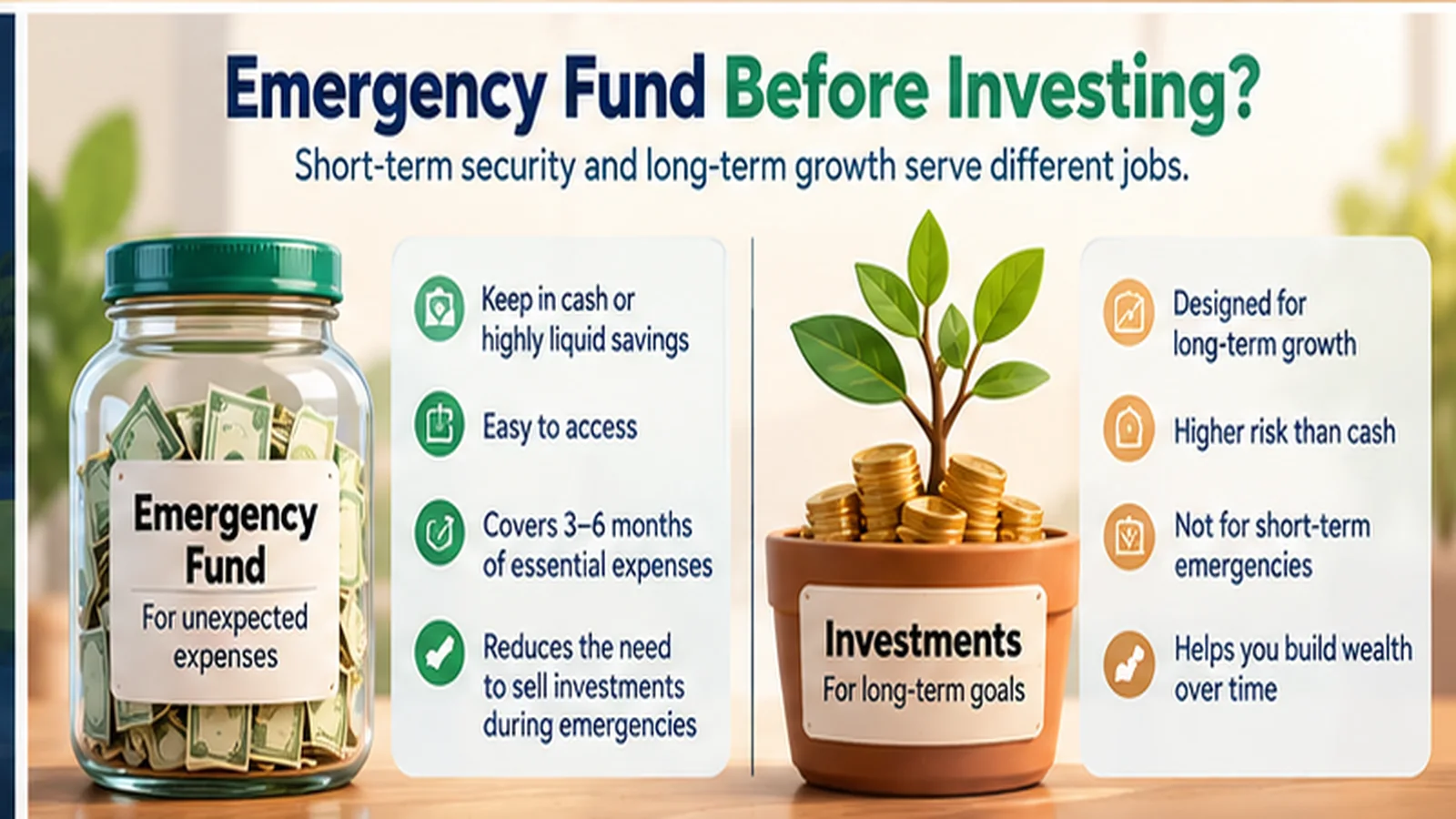
- keeping some near-term spending needs in cash or lower-volatility assets;
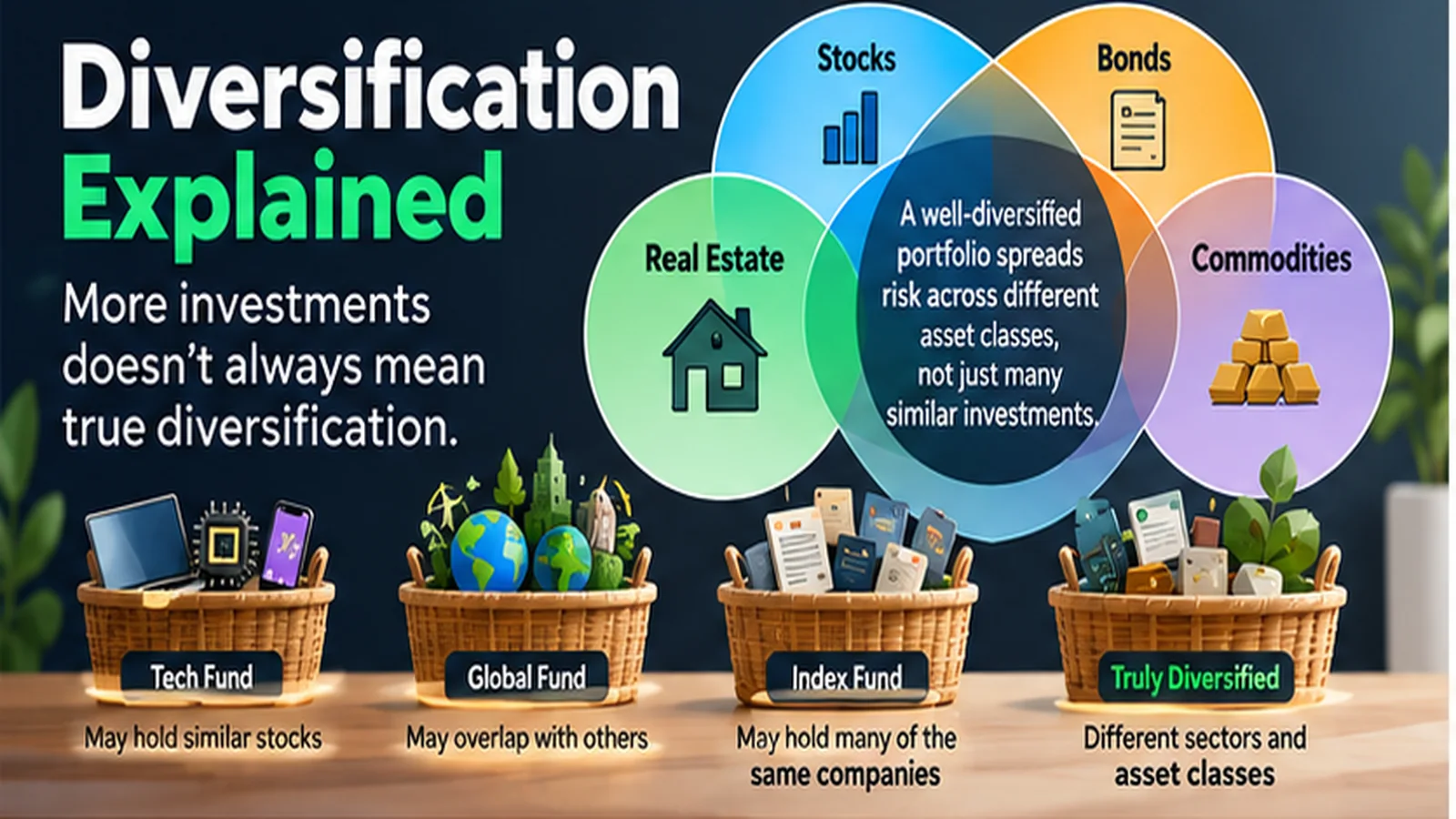
- using a diversified portfolio rather than relying on one asset class;
- adjusting withdrawals when markets are weak;
- avoiding unnecessary forced selling during major downturns where possible;
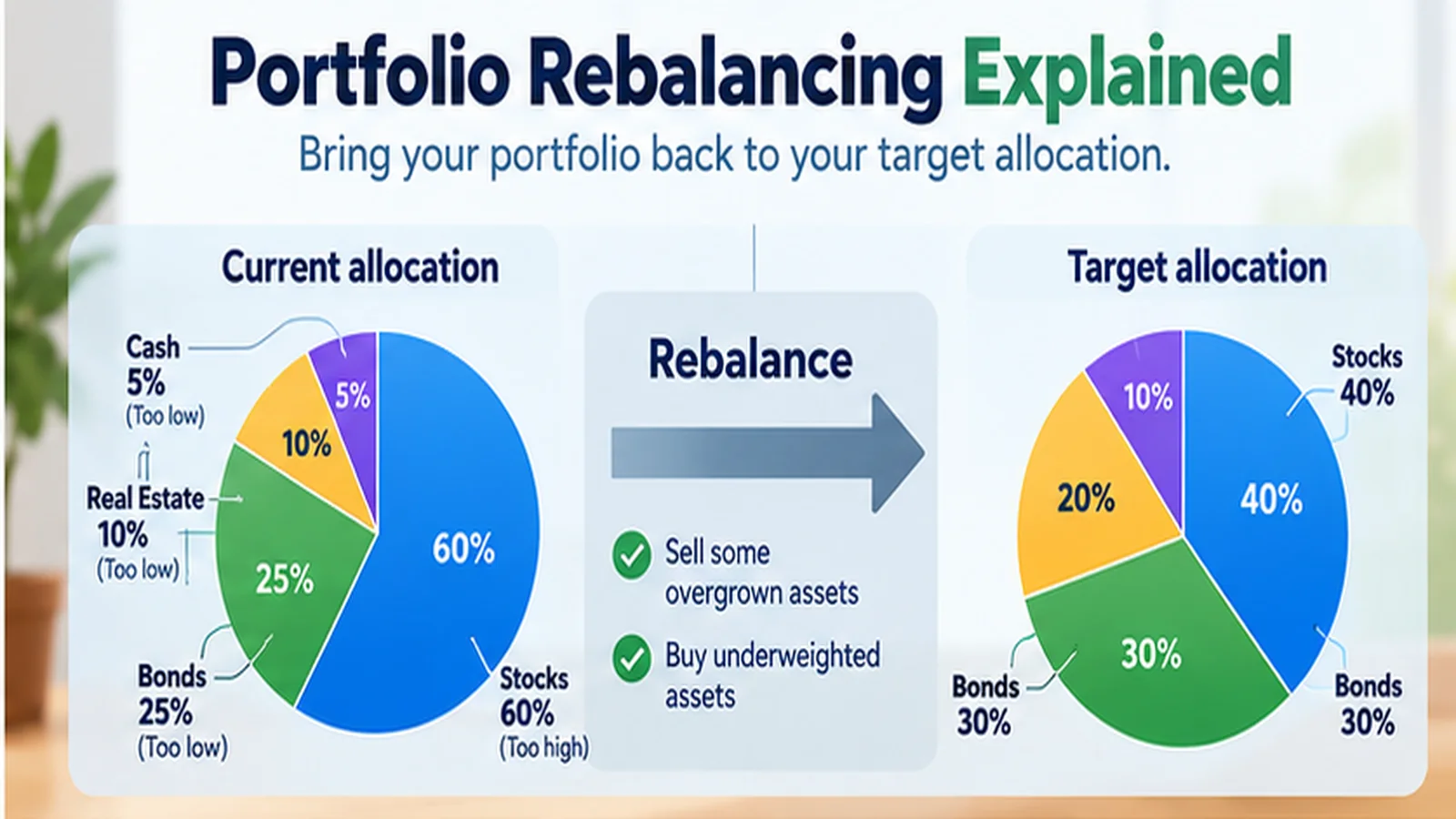
- reviewing asset allocation as retirement approaches.
These are general risk-management concepts, not guarantees. The appropriate approach depends on personal circumstances, taxes, account rules, spending needs and risk tolerance.
Common misunderstandings
“If my average return is high enough, sequence does not matter.”
Average return alone can hide the damage caused by withdrawals during early losses.
“Sequence risk only exists in retirement.”
It is most commonly discussed in retirement because withdrawals are regular, but it can apply whenever a portfolio is being systematically drawn down.
“A cash reserve removes sequence risk.”
Cash may reduce the need to sell investments during a downturn, but it introduces trade-offs such as inflation risk and lower expected long-term returns.
Key takeaway
Sequence-of-returns risk is about timing, withdrawals and compounding. The same long-term average return can lead to different outcomes when losses arrive early and money is simultaneously leaving the portfolio.
Sources
- Investor.gov — Sequence-of-Returns Risk
- Charles Schwab — What Is Sequence-of-Returns Risk?
- Fidelity — What Is Sequence of Return Risk?
Educational notice: Investment values can fall as well as rise. Withdrawal strategies involve uncertainty and may have tax consequences. This article is general education and not personalised financial, tax or legal advice.