Chimpanzees: Behaviour, Habitat, Diet and Intelligence
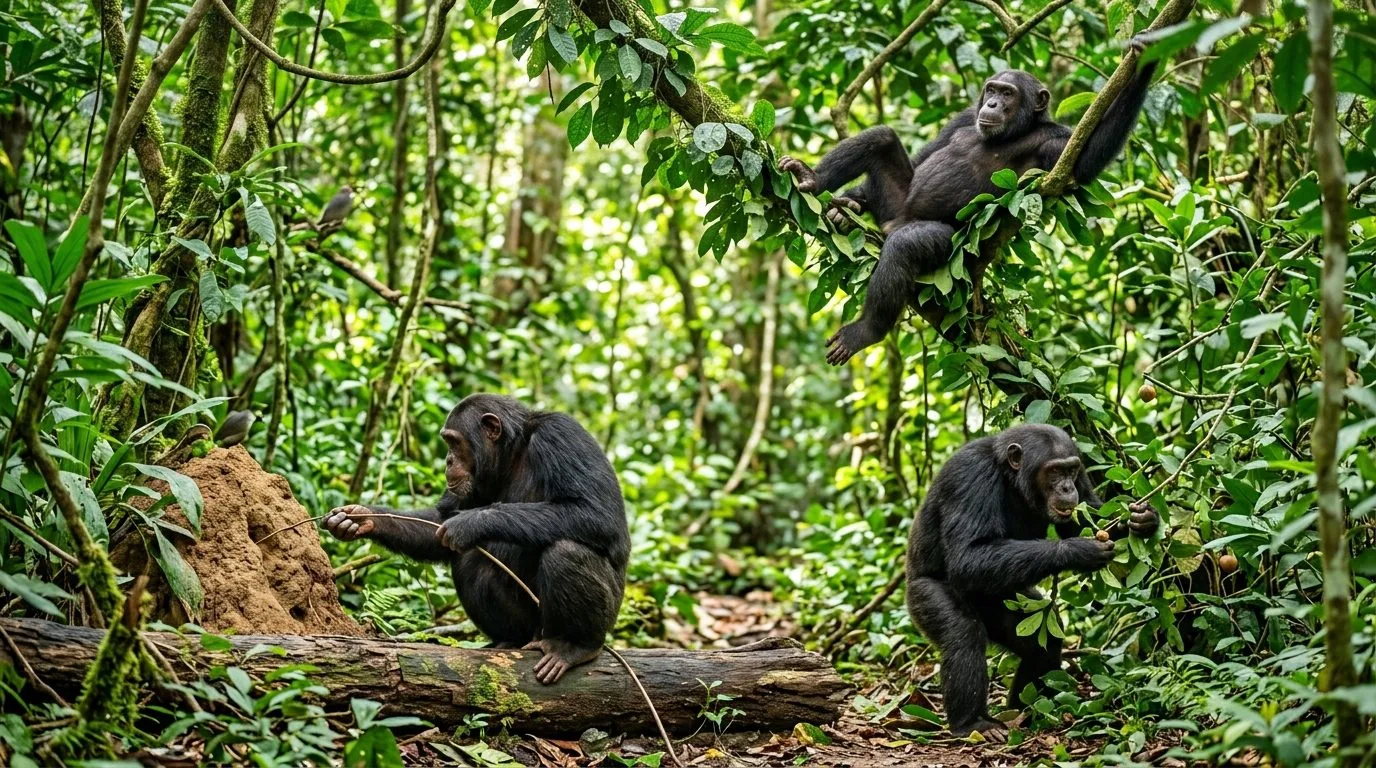
Learn where chimpanzees live, what they eat, how they communicate and use tools, and why these intelligent great apes are endangered.
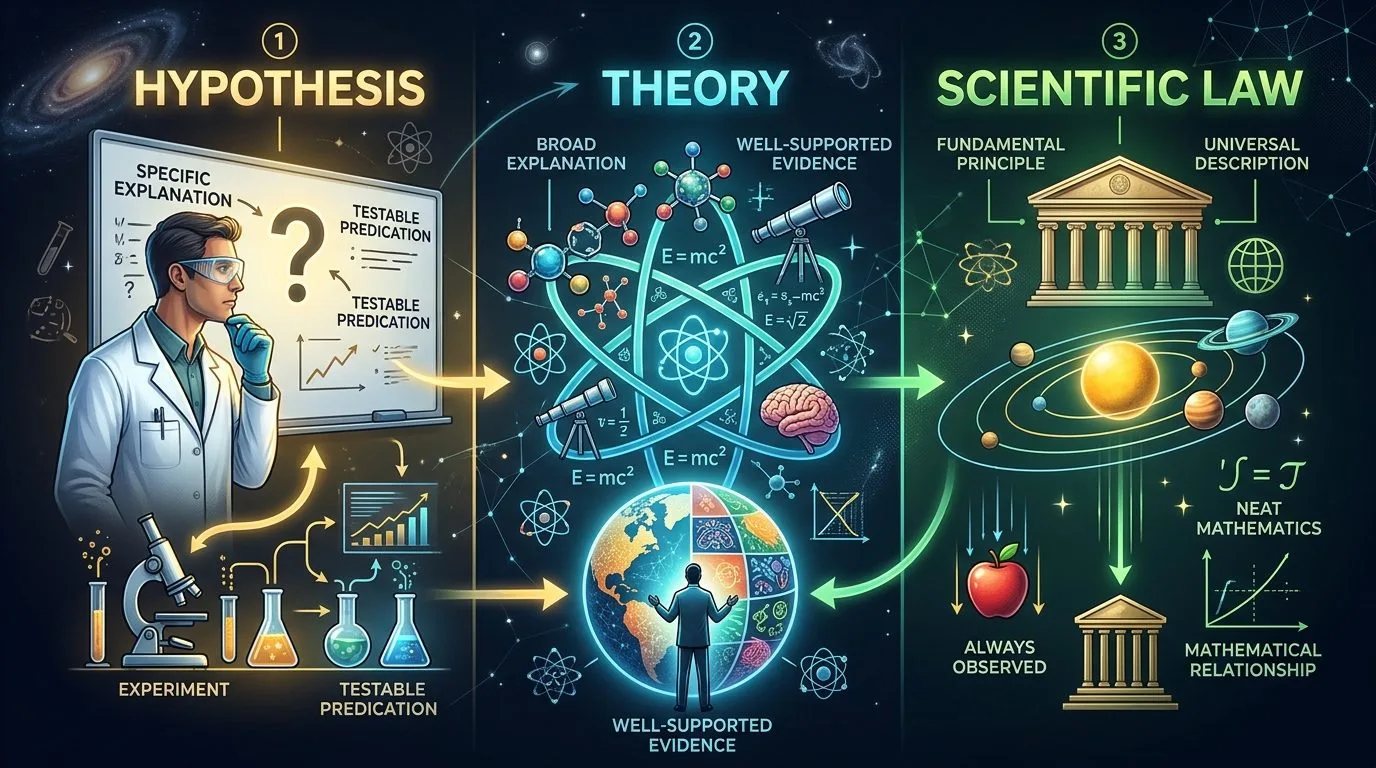

Hypothesis vs theory vs scientific law explained with an easy comparison chart, examples from physics, chemistry and biology, misconceptions, and a quiz.
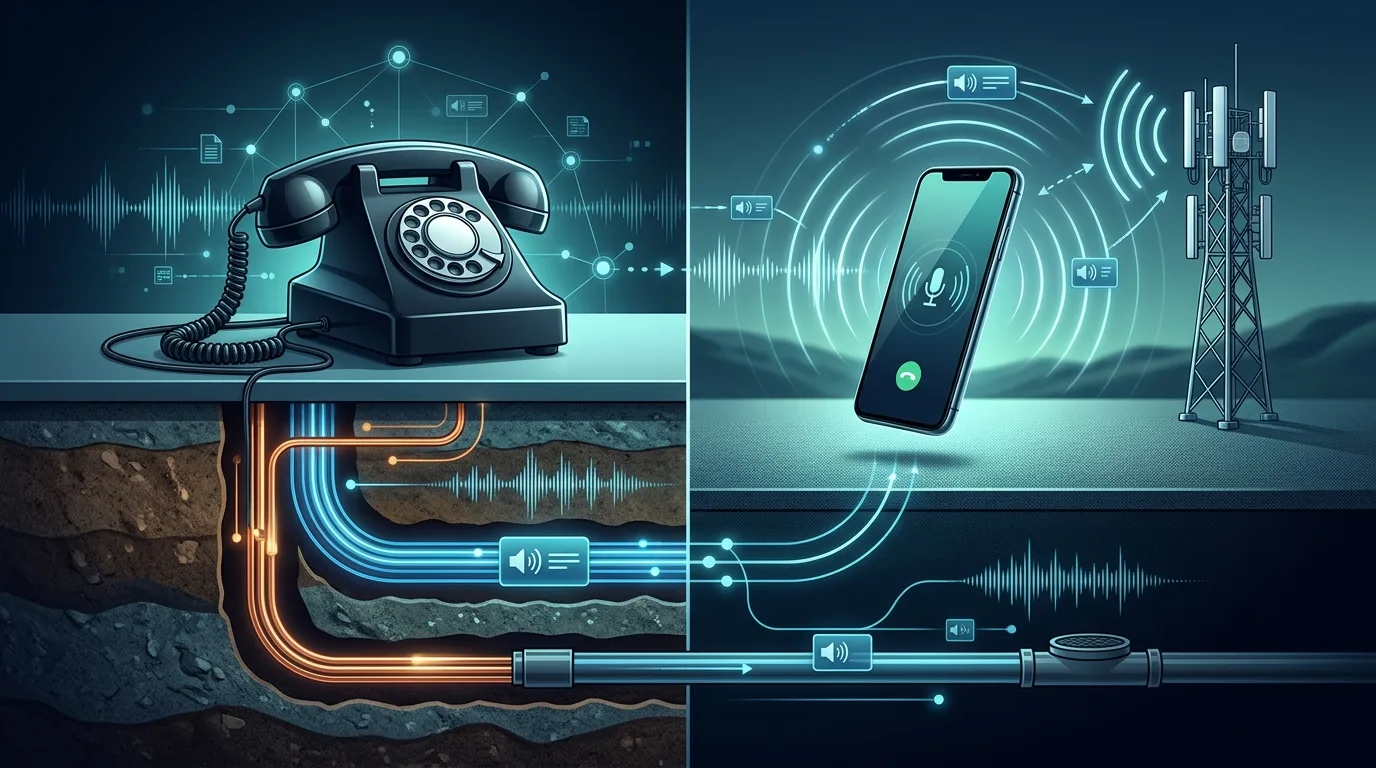
How does a telephone work? Explore microphones, sound waves, landline switching, cell towers, digital speech, VoLTE and 5G networks in a clear science guide.
Learn how to design a fair science experiment with variables, control groups, repeat trials, a worked toy-car example, results and a planning worksheet.
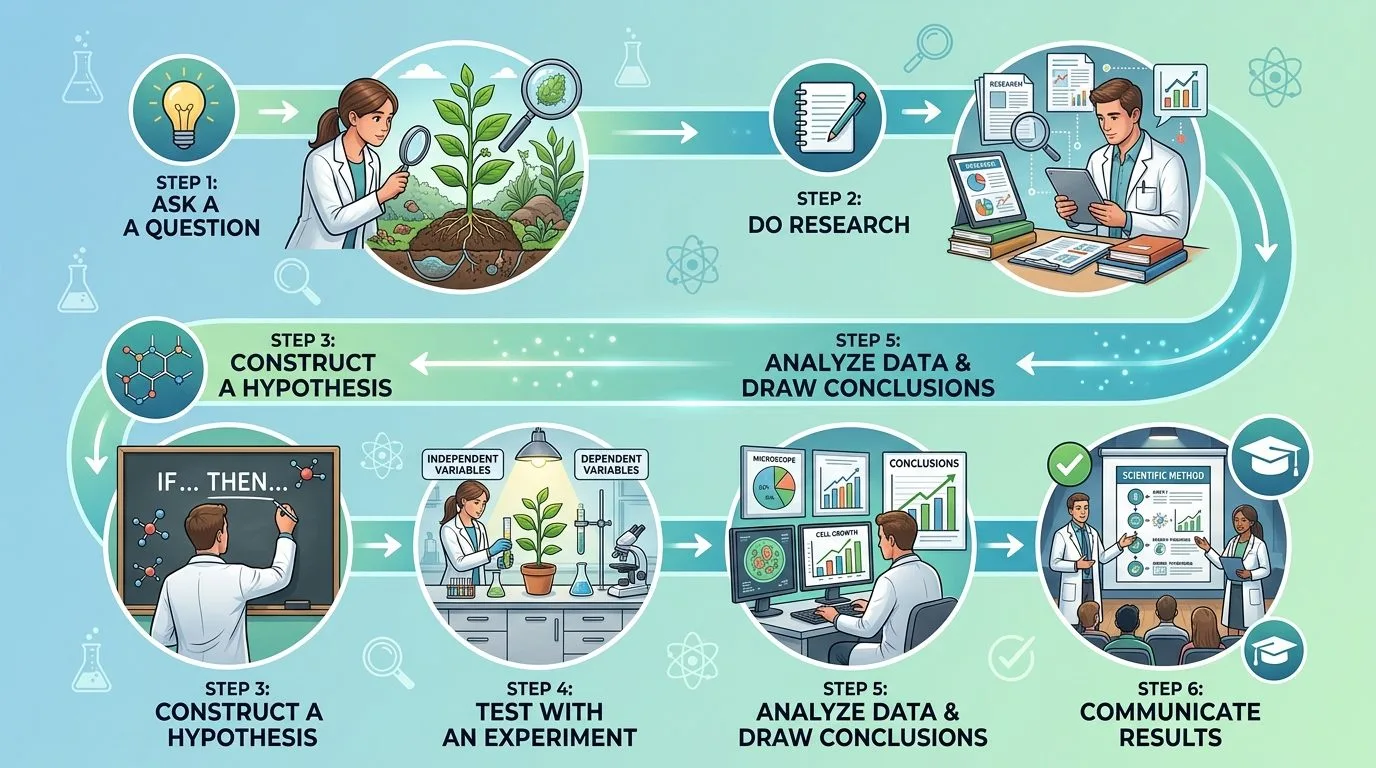
Understand the scientific method with steps, testable hypotheses, variables and a worked experiment. Learn to analyse data and draw evidence-based conclusions.
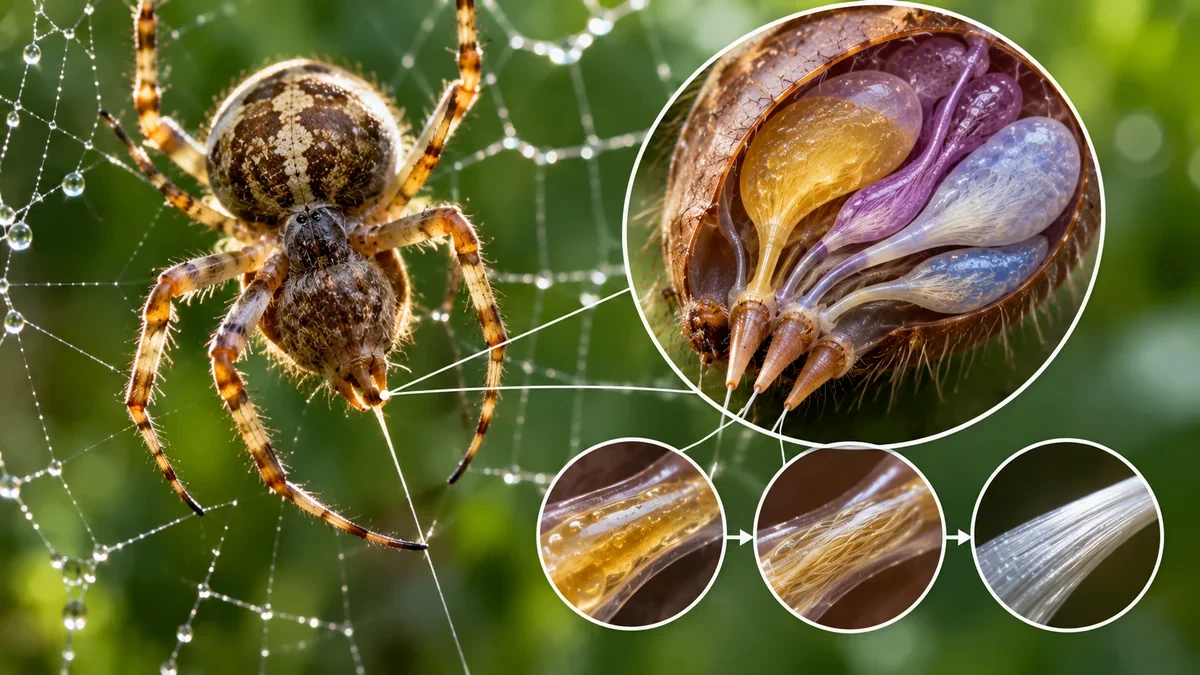
How do spiders make silk? Learn how spidroins become fibres in silk glands and spinnerets, plus seven silk types, web building, strength and uses.
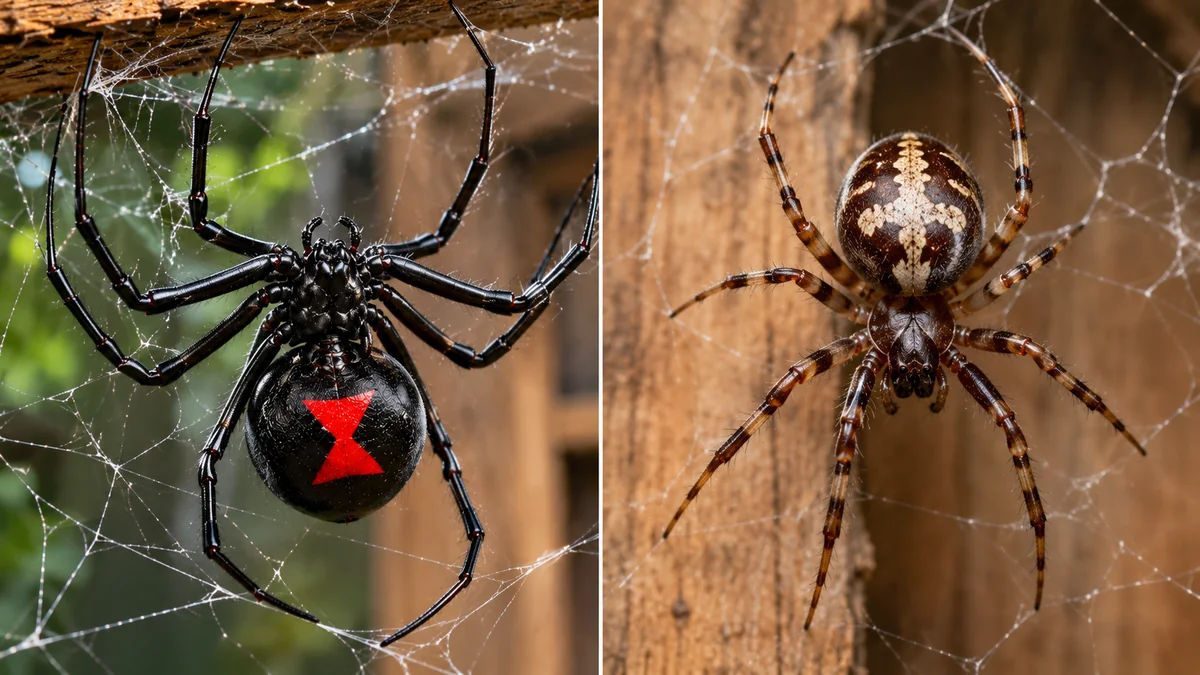
Black widow vs false widow: compare the red hourglass, pale back markings, size, webs, habitat, bite symptoms and safe identification tips.
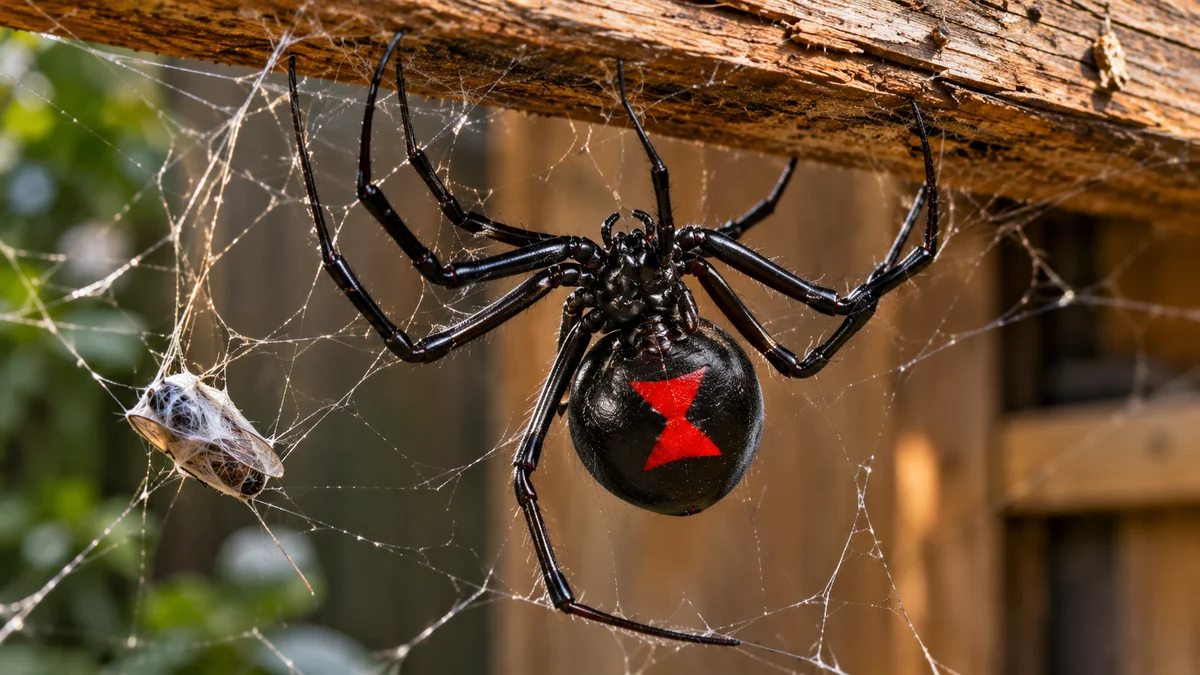
Discover black widow spider facts: identify species and markings, understand webs and habitats, learn how venom works and what to do after a suspected bite.
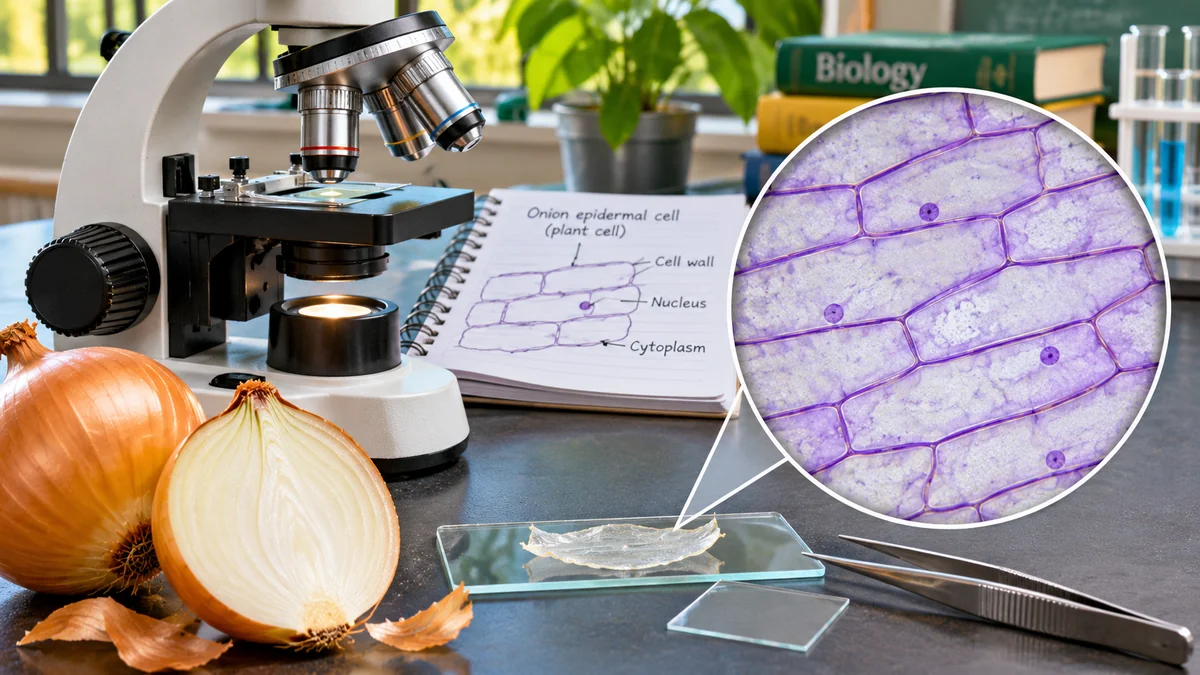
Learn to observe onion cells under a microscope with a safe classroom wet-mount activity, optional iodine staining, labelled cell structures and calculations.
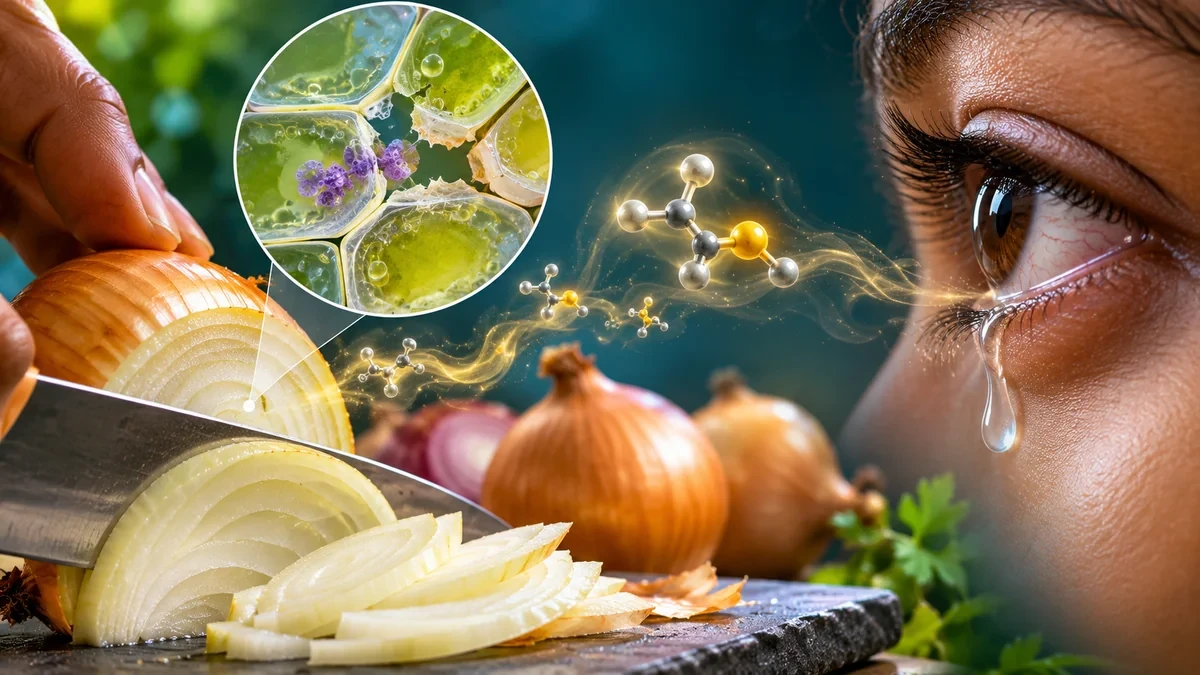
Why do onions make you cry? Discover the chemical behind onion tears, how enzymes create it and which chopping tips can help reduce irritation.
Landline vs mobile phones: see how calls travel through copper, fibre, cell towers and 4G/5G networks, plus differences in quality, reliability and power.