How Does a Telephone Work? From Landlines to Mobile Networks
How does a telephone work? Explore microphones, sound waves, landline switching, cell towers, digital speech, VoLTE and 5G networks in a clear science guide.
Clear reporting and practical guidance on artificial intelligence, software, devices and the internet.
Sign in to follow
How does a telephone work? Explore microphones, sound waves, landline switching, cell towers, digital speech, VoLTE and 5G networks in a clear science guide.
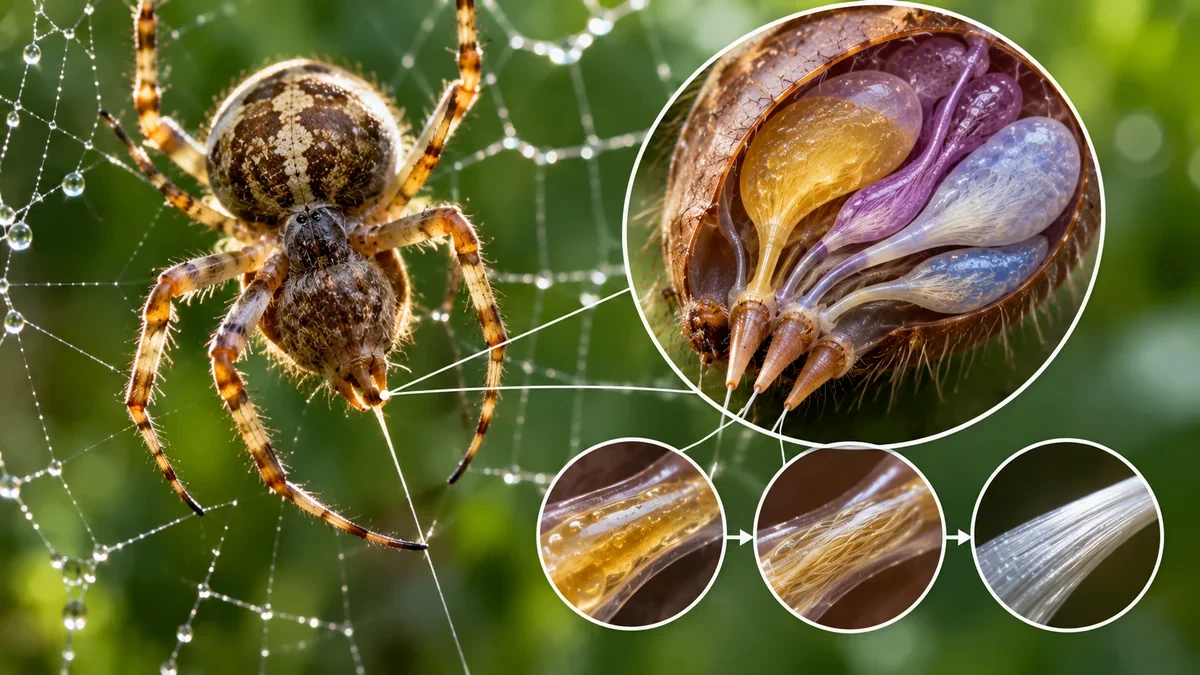
How do spiders make silk? Learn how spidroins become fibres in silk glands and spinnerets, plus seven silk types, web building, strength and uses.
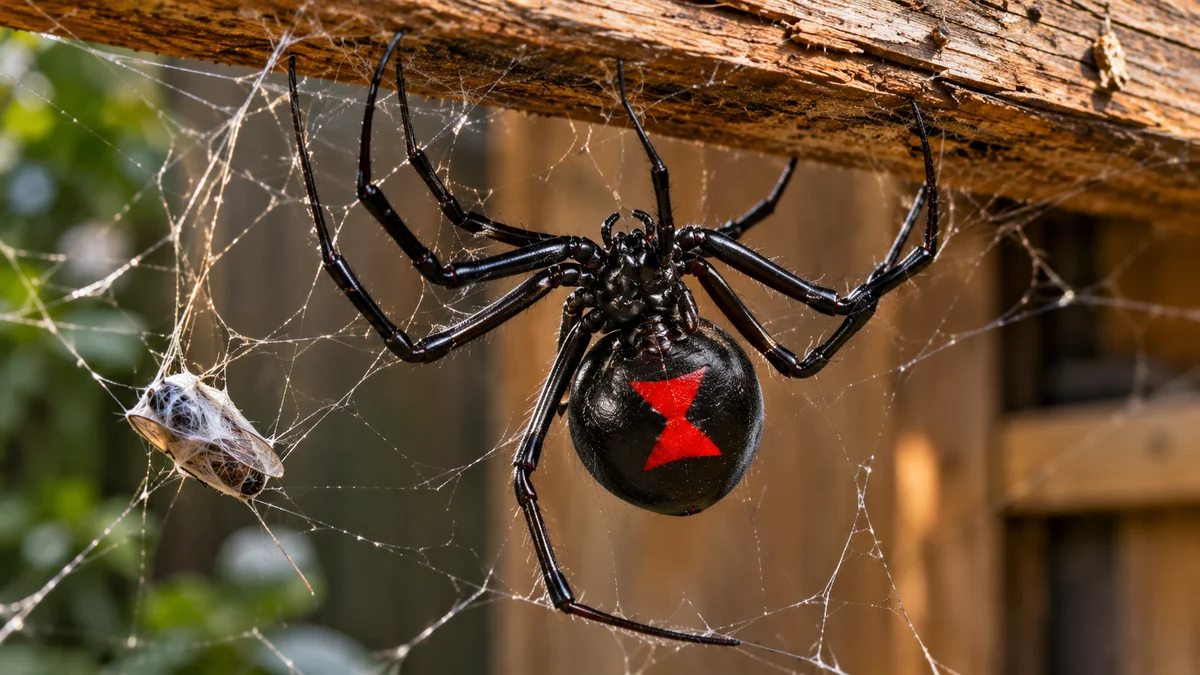
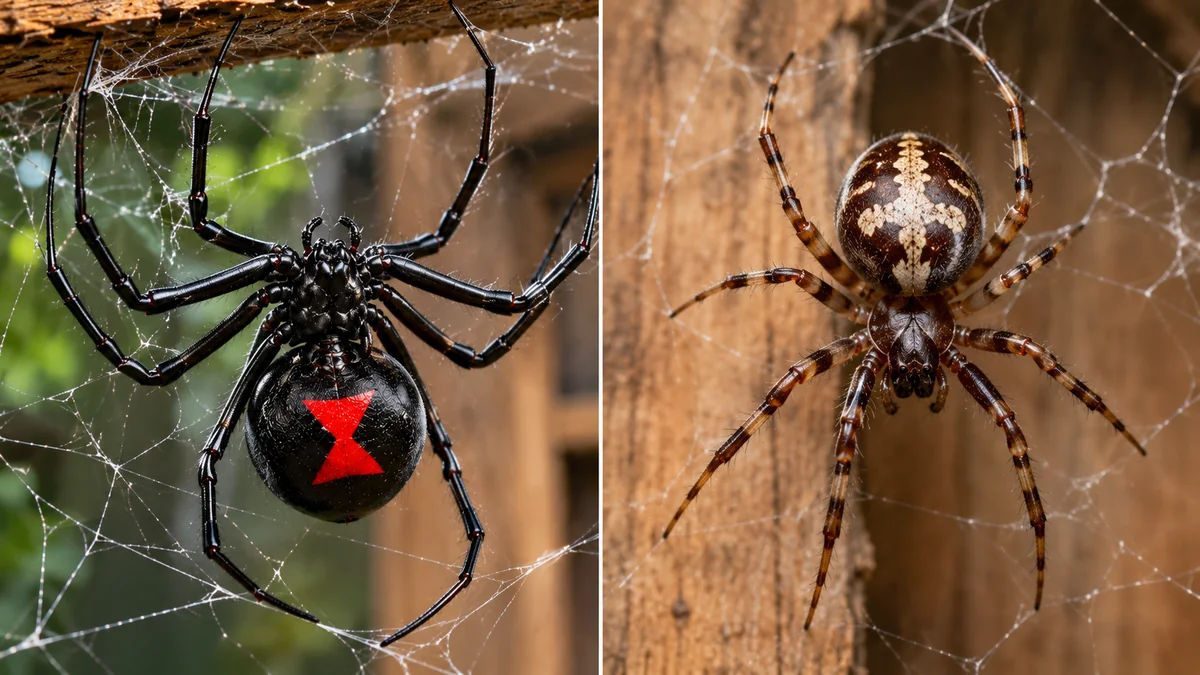
Black widow vs false widow: compare the red hourglass, pale back markings, size, webs, habitat, bite symptoms and safe identification tips.
Improve your maths skills with a four-week study plan, a diagnostic quiz, daily 30-minute routine, worked examples, error notebook and progress tracker.
Discover black widow spider facts: identify species and markings, understand webs and habitats, learn how venom works and what to do after a suspected bite.
What is mathematics? Explore arithmetic, algebra, geometry, calculus, statistics and more, with real-life examples, study paths and practice questions.
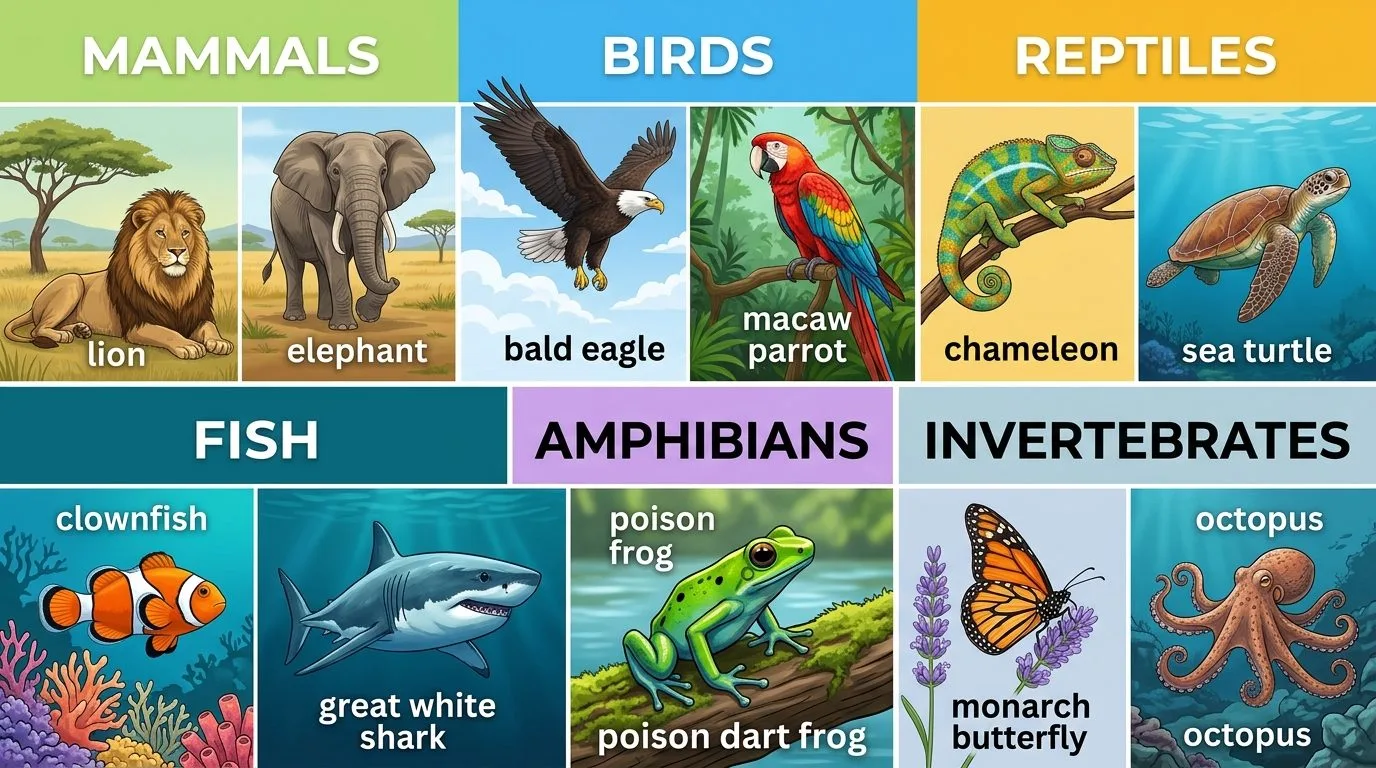
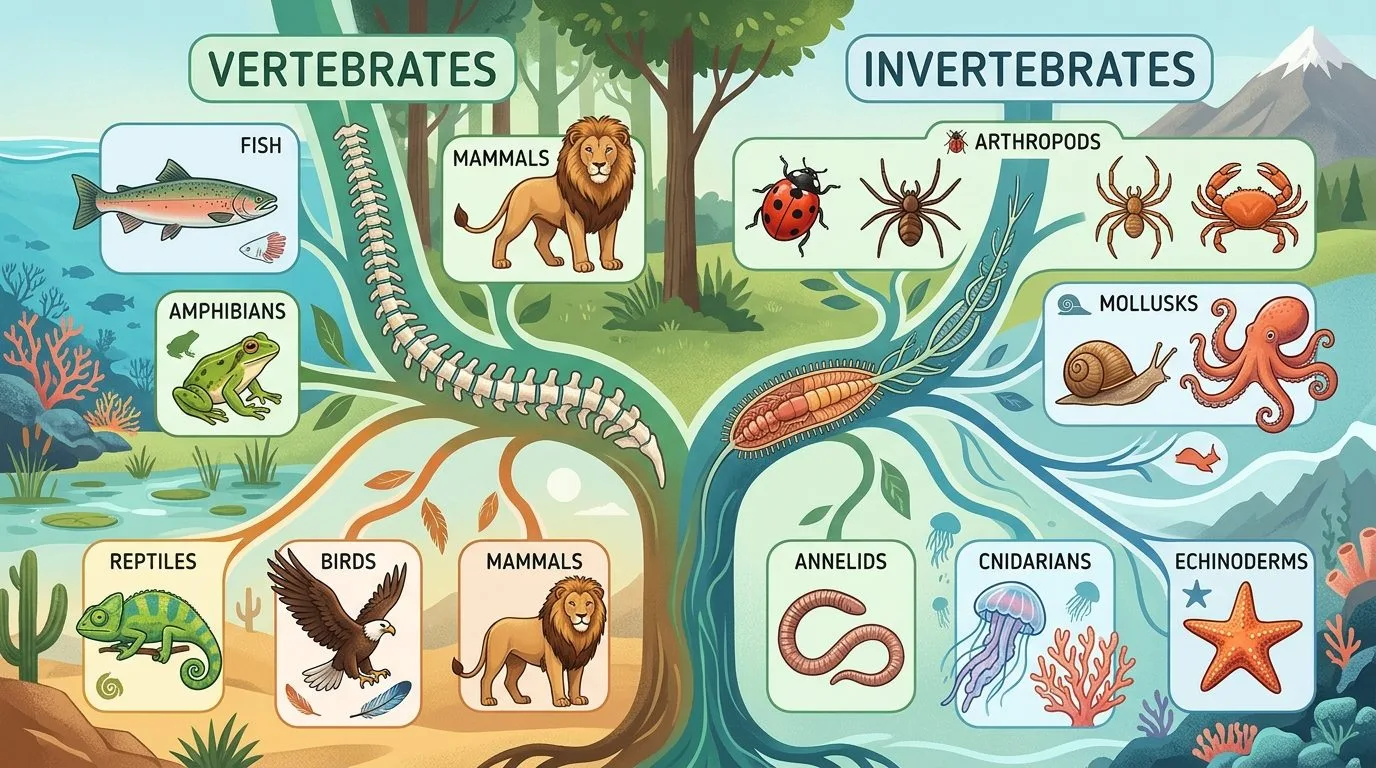
Use this animal classification chart to compare mammals, birds, reptiles, amphibians, fish and invertebrates, with examples, taxonomy tables and a printable-style worksheet.
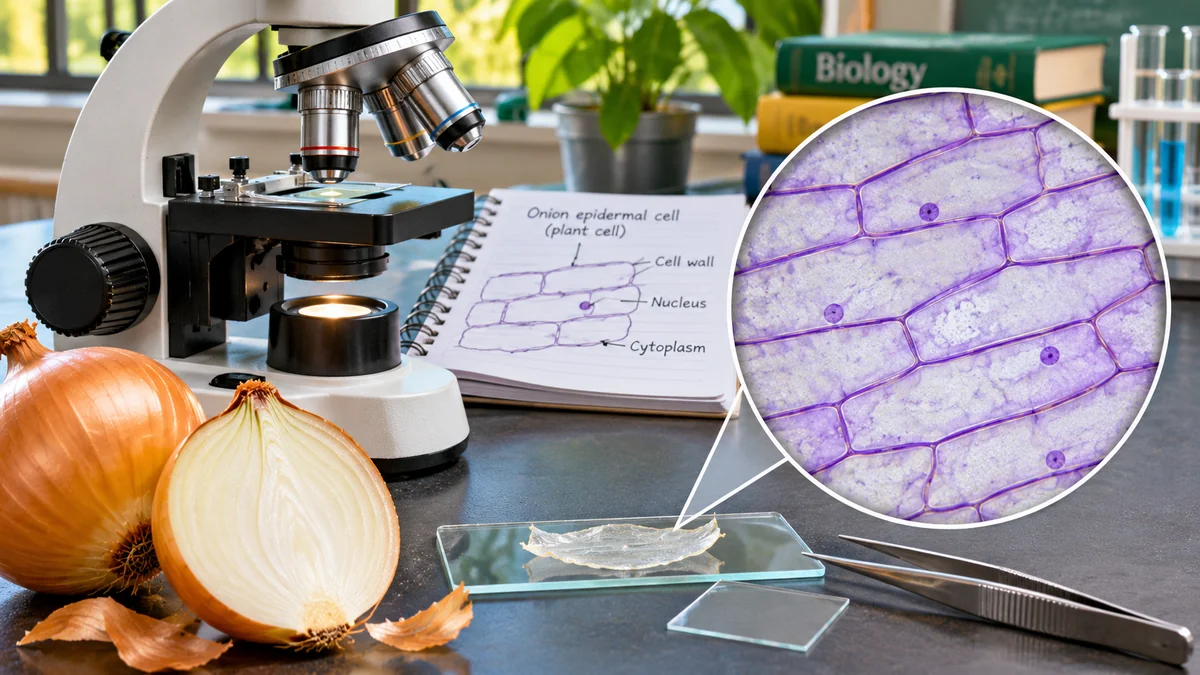
Learn to observe onion cells under a microscope with a safe classroom wet-mount activity, optional iodine staining, labelled cell structures and calculations.
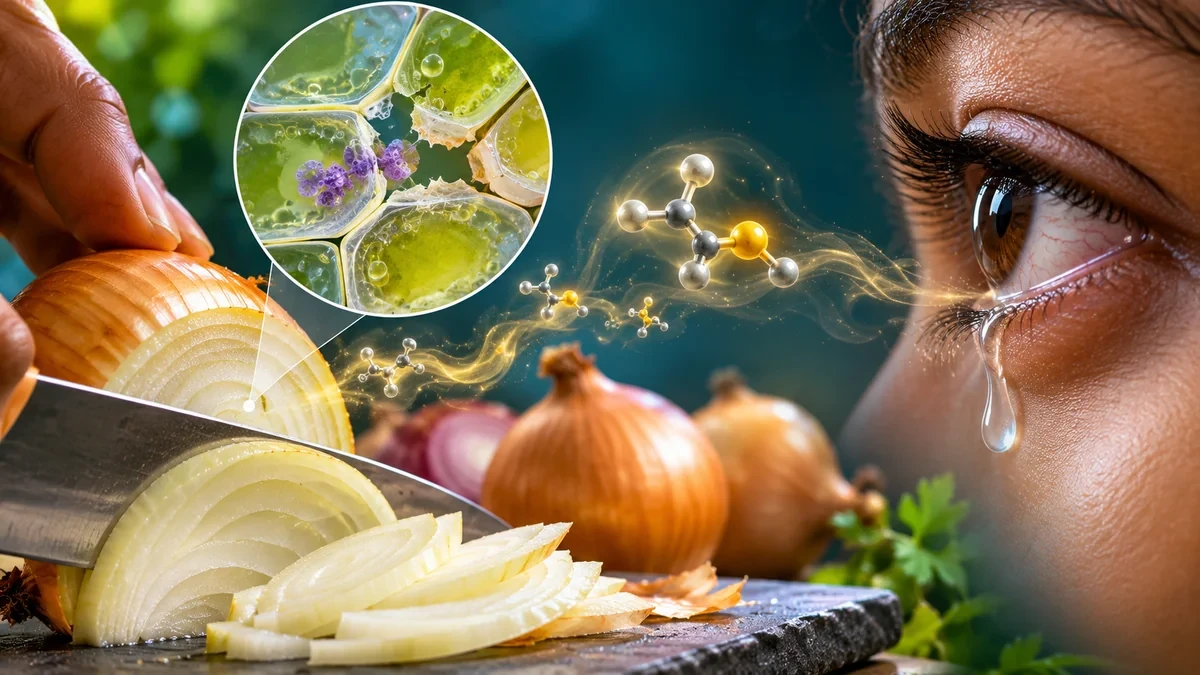
Why do onions make you cry? Discover the chemical behind onion tears, how enzymes create it and which chopping tips can help reduce irritation.
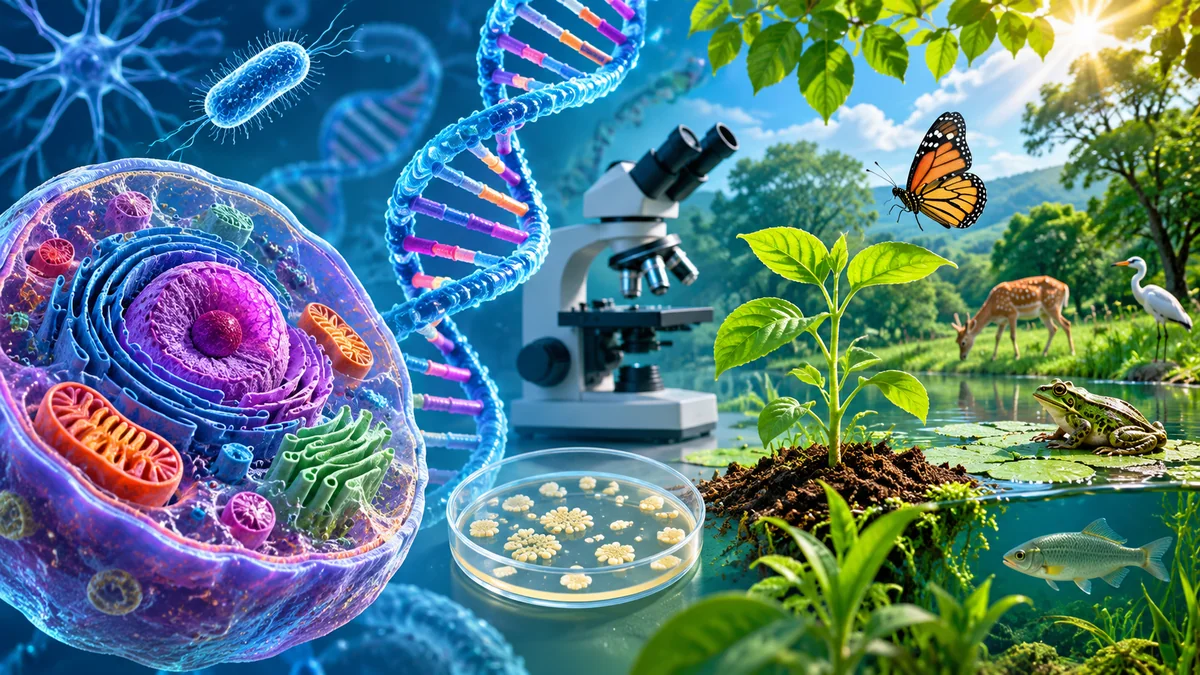
Explore the branches of biology, from cell biology and genetics to ecology, microbiology and zoology, with definitions, examples and a comparison chart.
Learn animal classification with a clear guide to vertebrates, invertebrates, animal phyla, examples, comparison charts, a classroom key and quiz.
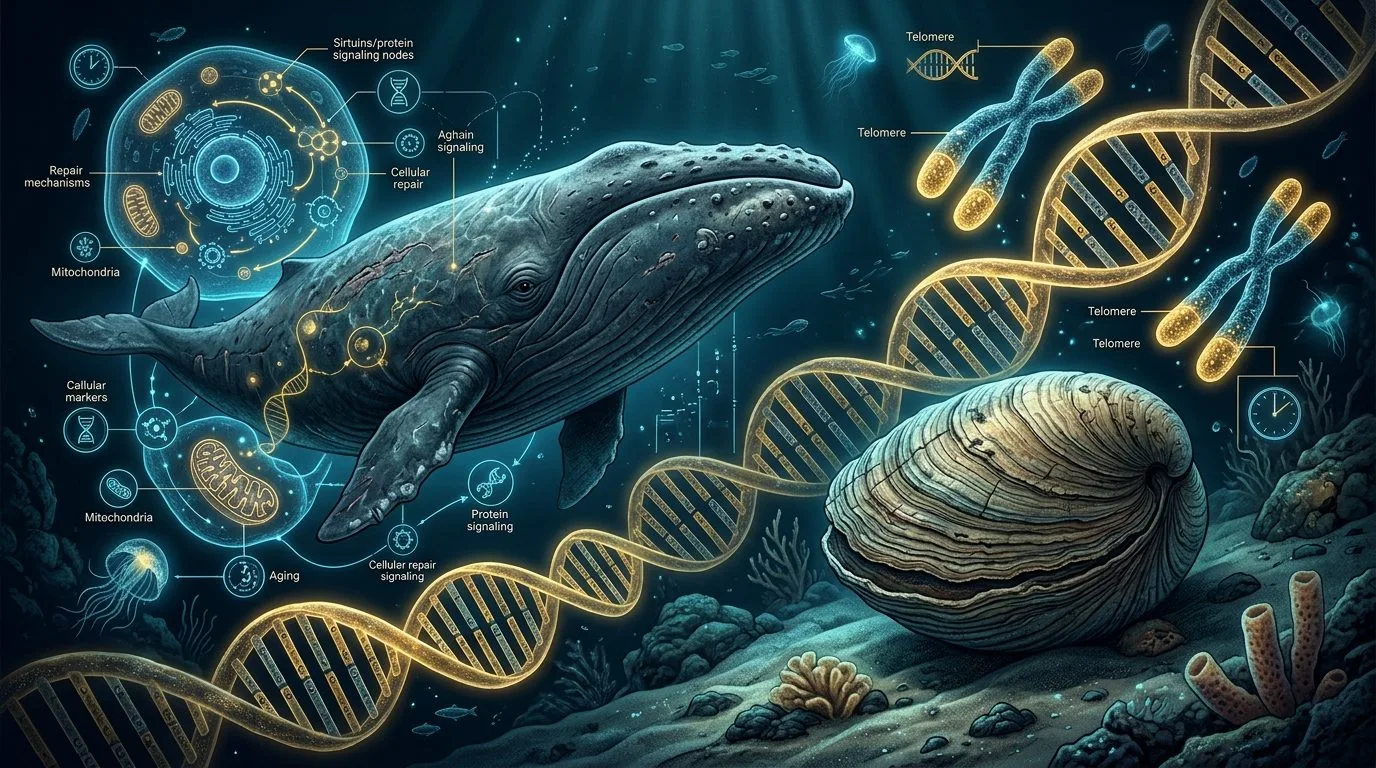
Why do some animals live for centuries? Explore the science of extreme longevity, from whale DNA repair and shark genetics to tortoise ageing and resilient clams.