Longest-Living Animals: The Science of Extreme Longevity
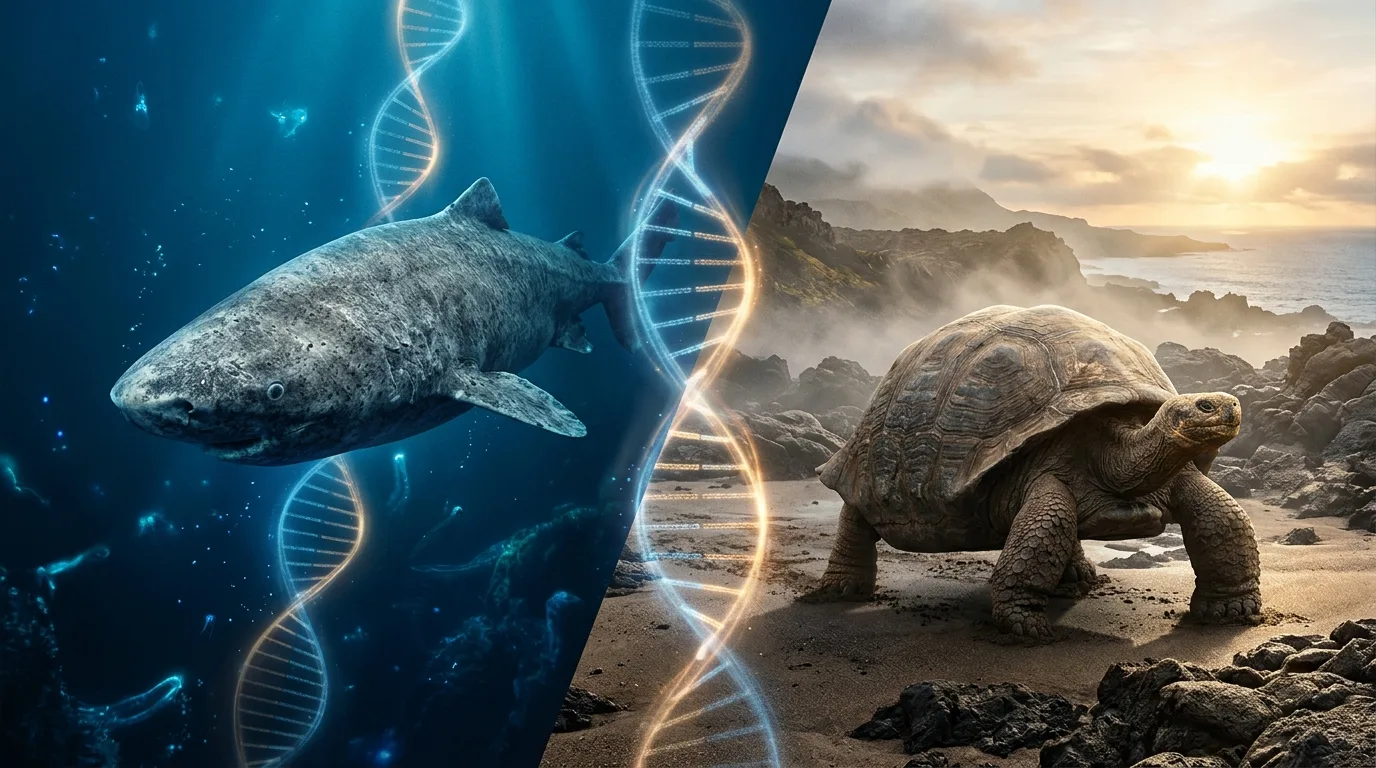
Discover the longest-living animals, from a 507-year-old clam and Greenland sharks to ancient coral colonies, and the science of their remarkable ages.
Clear reporting and practical guidance on artificial intelligence, software, devices and the internet.
Sign in to follow
Discover the longest-living animals, from a 507-year-old clam and Greenland sharks to ancient coral colonies, and the science of their remarkable ages.

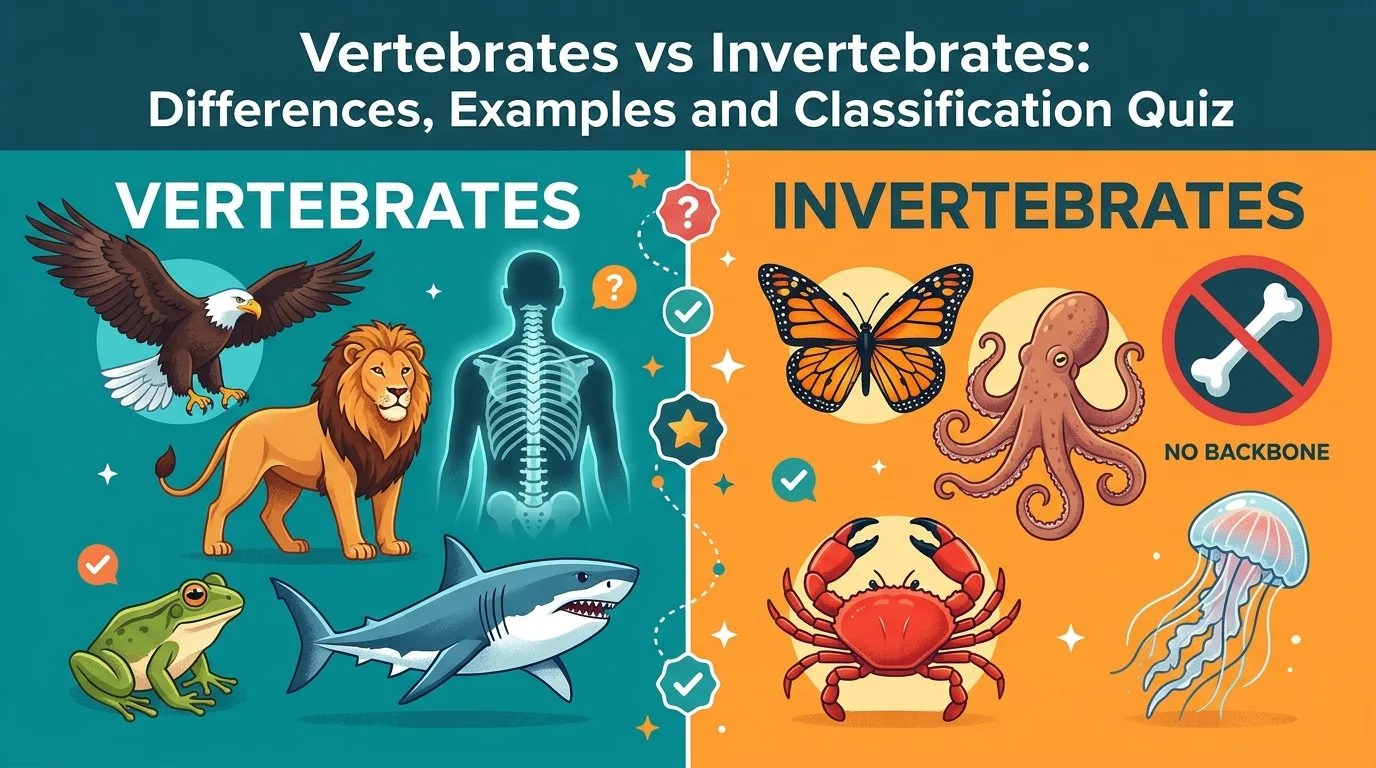
Compare vertebrates vs invertebrates with simple definitions, examples, a skeleton comparison chart, tricky exceptions and a 15-question classification quiz.
Landline vs mobile phones: see how calls travel through copper, fibre, cell towers and 4G/5G networks, plus differences in quality, reliability and power.
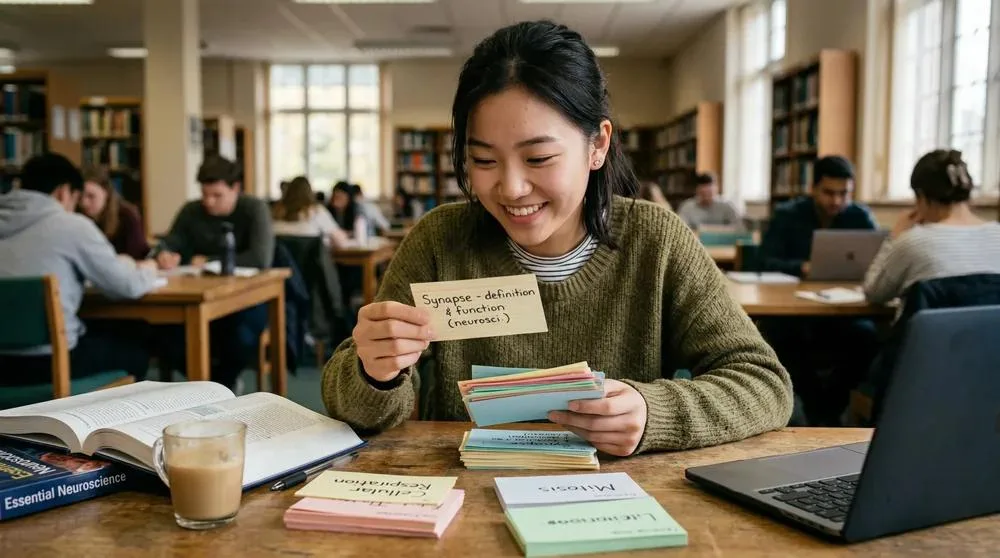
AI-powered flashcard generators promise faster revision, but do they help students learn more effectively than handwritten cards? Explore what educational research reveals about memory, active recall, digital study tools and the strengths of traditional flashcards—with practical advice on choosing the right method.
A good exam revision plan should fit your subjects, deadlines, available time and learning difficulties. Discover how to use AI to build a practical study timetable, schedule effective revision sessions, practise with past papers and update your plan as you improve.
Artificial intelligence can help students understand difficult subjects, create revision materials, practise exam questions, and identify knowledge gaps. This beginner-friendly guide explains how popular AI study tools work, which ones to consider, and how to use them responsibly for more effective learning.
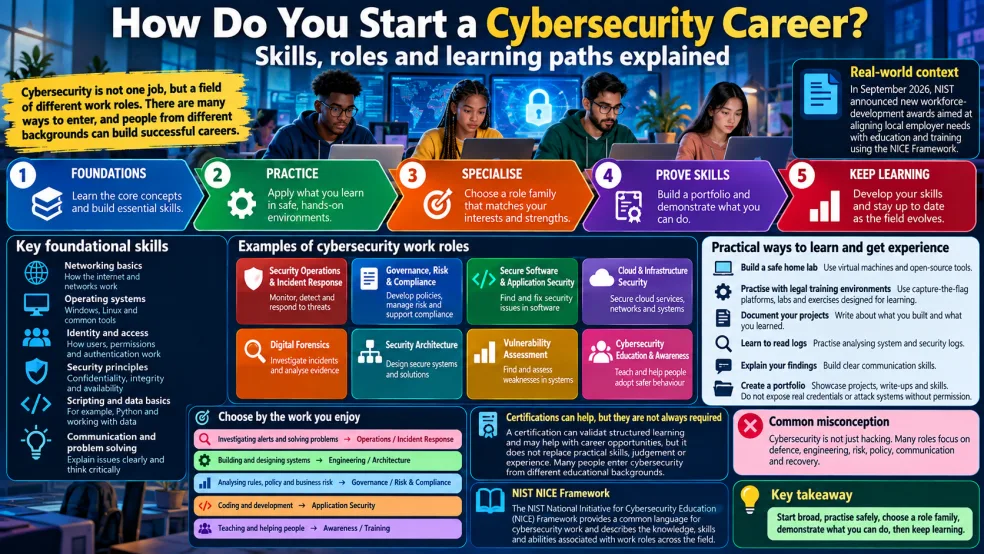
Learn how to start a cybersecurity career, which foundational skills matter, how different cyber roles fit together, how to practise safely and how to build evidence of your skills.
Elias 2-24 b is less than one million years old and still embedded in its birth disc. Learn how astronomers confirmed it and why the discovery challenges planet-formation models.
Arctic sea ice reached a likely 2026 minimum of 4.60 million km². Learn why the minimum occurs in September, what sea-ice extent means, how albedo works and how to read the long-term trend.
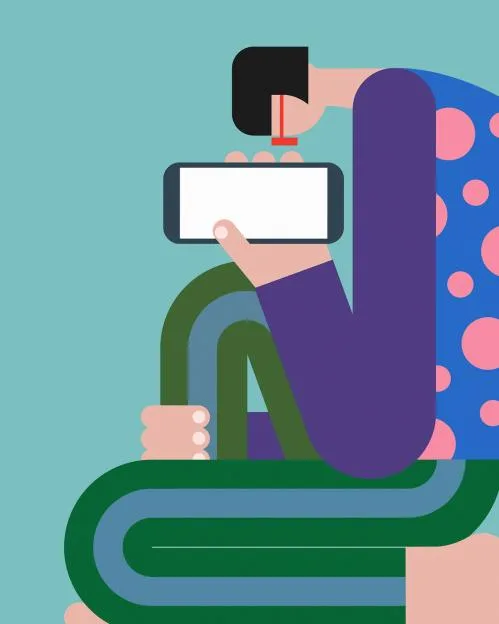
Illustration by Andy Huang/Ikon Images ‘Lately, my algorithm is trash’ Are we shaping our feeds or are they shaping us? Liz Mineo Harvard Staff Write...
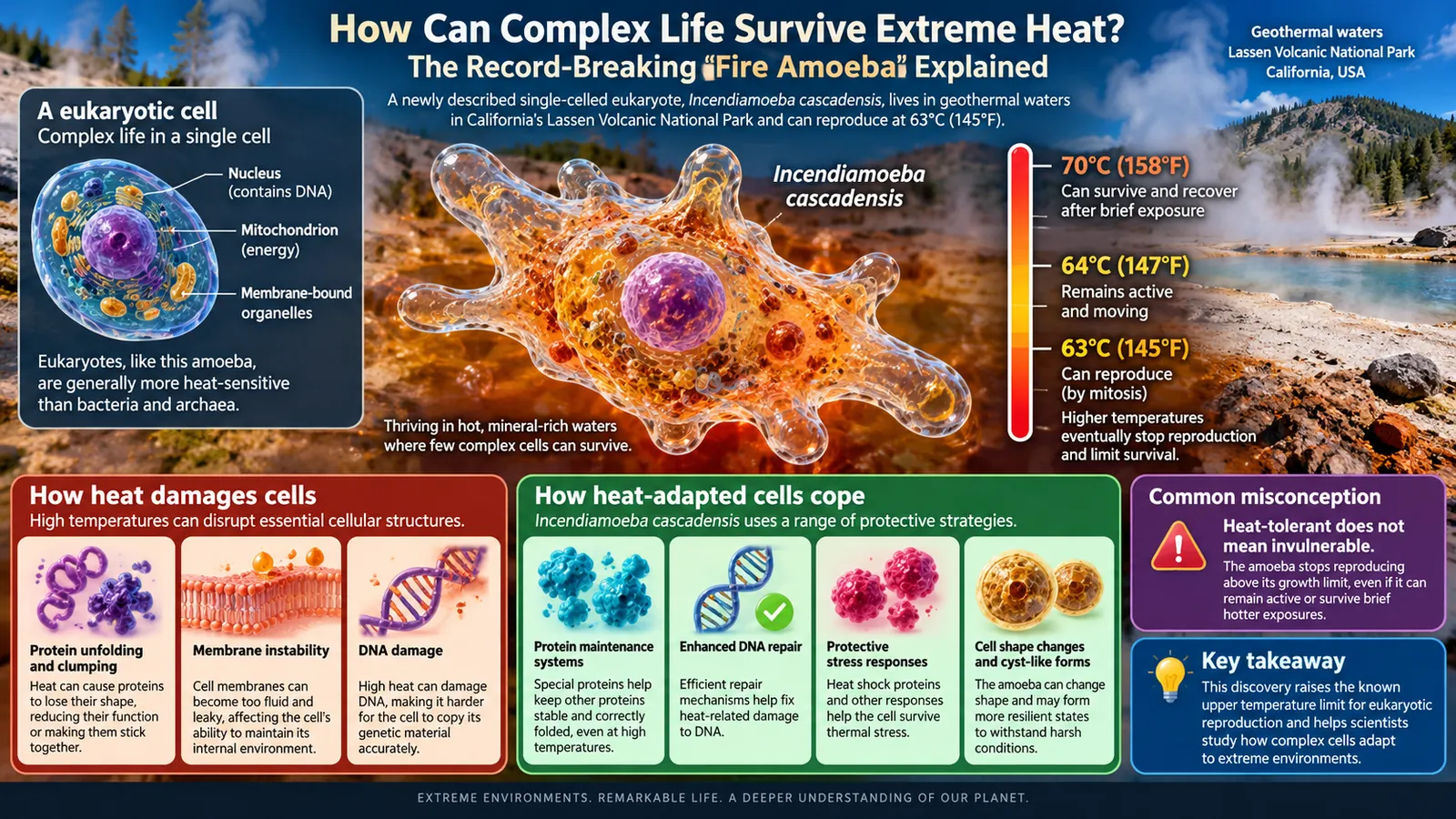
A newly described ‘fire amoeba’ can reproduce at 63°C and recover after brief exposure to 70°C. Learn what this record reveals about heat damage, cellular protection and the limits of complex life.
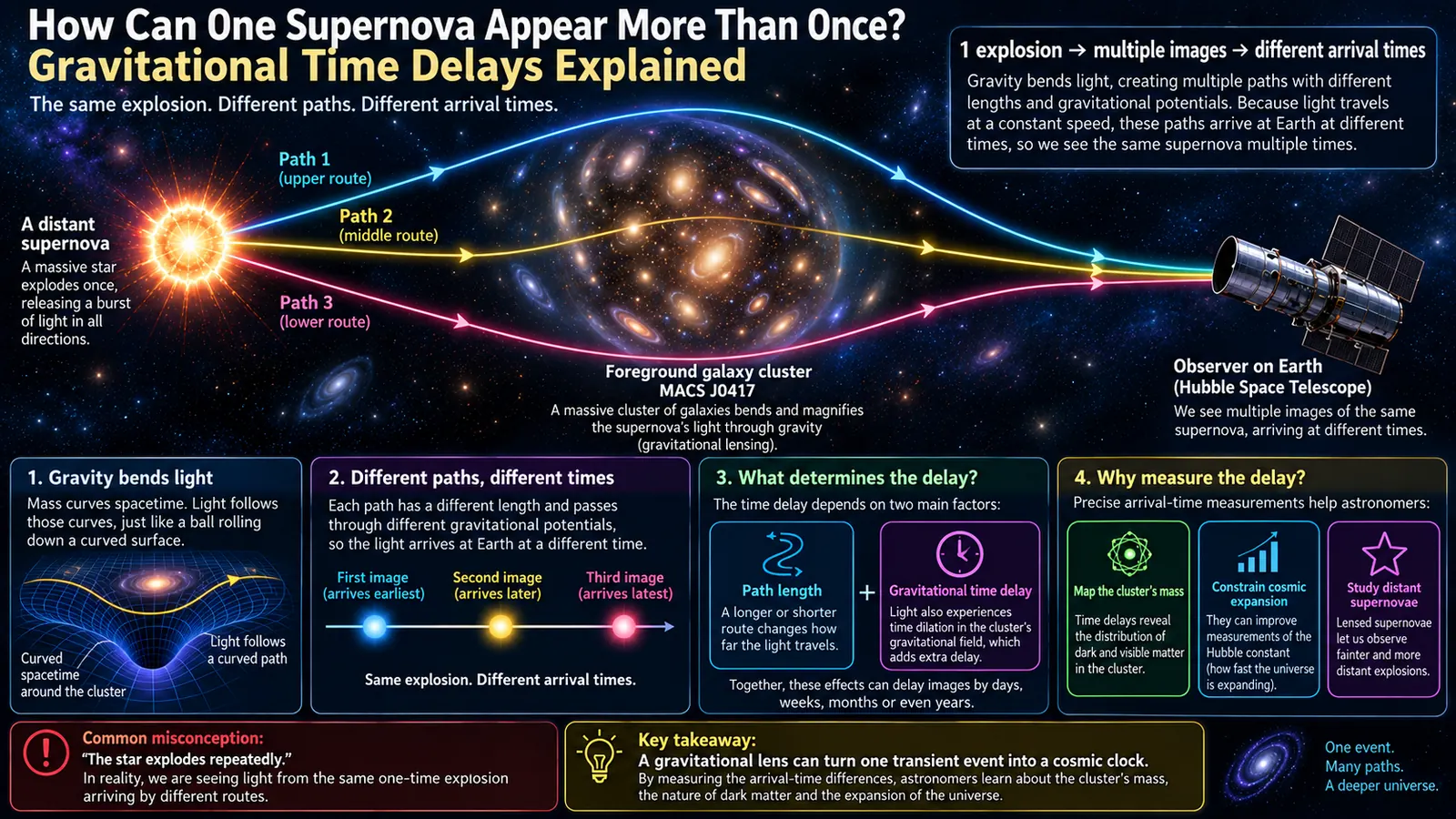
A gravitational lens can make one supernova appear at different times. Learn how multiple light paths create time delays and why Athena may help measure cluster mass and cosmic expansion.