

Does having a bad dream make you a bad person?
Illustration by Liz Zonarich/Harvard Staff Does having a bad dream make you a bad person? Psychologist breaks down what those negative night narratives migh...
 Written by Eze Chidiebere
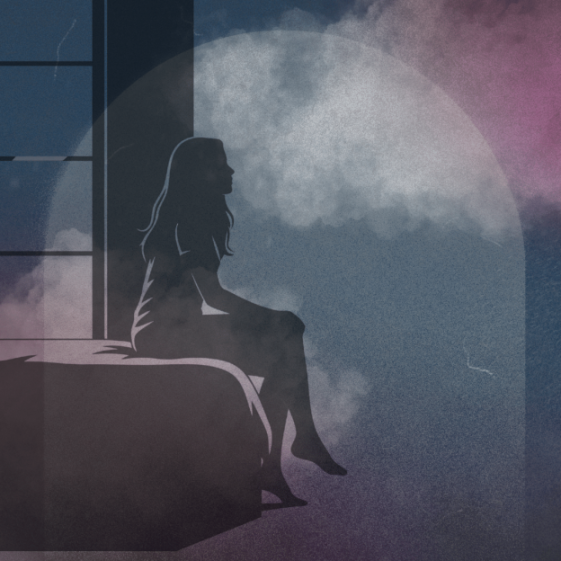
Illustration by Liz Zonarich/Harvard Staff
Does having a bad dream make you a bad person?
Psychologist breaks down what those negative night narratives might be trying to tell you
Samantha Laine Perfas
Harvard Staff Writer
A series of random questions answered by Harvard experts.
Deirdre Leigh Barrett is a dream researcher and a Harvard Medical School lecturer on psychology in the department of psychiatry at Cambridge Health Alliance. She is also the author of “The Committee of Sleep: How Artists, Scientists, and Athletes Use Their Dreams for Creative Problem Solving — And How You Can Too.”
Dream interpretation is tricky. Let’s say there’s a dog in your dream. I find it helpful to ask: What is a dog to you? You might say they are cute, childlike creatures that need someone to care for them; or that they’re big animals with sharp teeth and one bit you when you were a child; or that a dog is the most loyal creature on the planet, more trustworthy than any human. For each of those three definitions, the presence of a dream dog could mean wildly different things.
Dreams are an opportunity to process what’s happening in our waking lives. During REM sleep — when we dream — the emotional centers of the brain are highly active (sometimes even more than when we are awake). The same is true for our secondary visual cortex, one part of the brain responsible for forming images. Given this, it makes sense that the emotions and visuals are so powerful and stick with us even when we wake up. The emotions can linger even when your waking mind knows it wasn’t real, like when you feel the intense jealousy of a partner cheating on you in your dream and you’re still mad about it. This can become a cycle where the emotions of a dream impact the way we feel or act the next day, which in turn might continue to impact our dreams moving forward. Your dreams are most often made up of things from the last 24 hours — and very often related to what you were thinking about before falling asleep.
“Dreams are an opportunity to process what’s happening in our waking lives.”
In negative dreams, it can be helpful to parse out the key elements and ask what those things mean to you. Anxiety dreams are quite common. If you ask people if they’ve ever dreamed of being inappropriately clothed in public or having their teeth fall out, more than half of people will say yes. It’s also quite common to have dreams where you are the violent one; many people dream that they commit murder. What’s interesting in these cases is that the dream often focuses on one of two things: how to hide the body or how to evade capture from the police. Like anxiety dreams, these dreams tend to be about shame or guilt. Often, it doesn’t even matter if you committed the dream murder; the concern is centered on being discovered or blamed. Sometimes the emotions are heightened in the dream but dissipate upon waking; other times the guilt sets in after the dream is over. You might think: Would I really do that?
If you are having a recurring dream — either a specific dream or similar thematic elements — pay attention. Negative dreams can reveal things that aren’t resolved or that you might want to change or understand differently. Think back on the day and reflect on whether you had a run-in with an authority figure, a social situation that didn’t sit well, or an experience where you felt helpless. These are examples of things we tend to suppress in our daily lives, which means they may come out in our dreams. The dream could be a metaphor, a call to action for a situation in your life (ideally in a less hostile way). Start asking yourself: Is there some way I could deal with this differently in my waking life? You’re not a bad person; just because you dreamed you murdered someone doesn’t mean you would in real life. But it may mean you need to pay more attention to how you show up in your waking hours.
Also in this series:
-
 Genghis Khan supposedly fed it to his troops for strength and bravery. He might have been onto something.
 -
 You don’t have to be a purist to say yes. You might just be ‘album oriented.’
 -
 If you’re not failing all the time, you’re doing it wrong, says fitness expert
 -
 Constantly distracted by devices? Experts share strategies on reclaiming focus.
 -
 Ideally over a lifetime, says New Yorker’s Kevin Young
 -
 It’s all in the preparation, Crimson kicker says. And don’t worry. Either way, you’re only as good (or bad) as your last kick.
 -
 One tip for parents: Tell them about your mistakes
 -
 Steven Pinker breaks down the history of taboo words, different categories of swearing, and the meaning conveyed by a bleep

Related articles
Why is yogurt good for us?
Why is yogurt good for us? Genghis Khan supposedly fed it to his troops for strength and bravery. He might have been onto something. September 2, 2026 3...
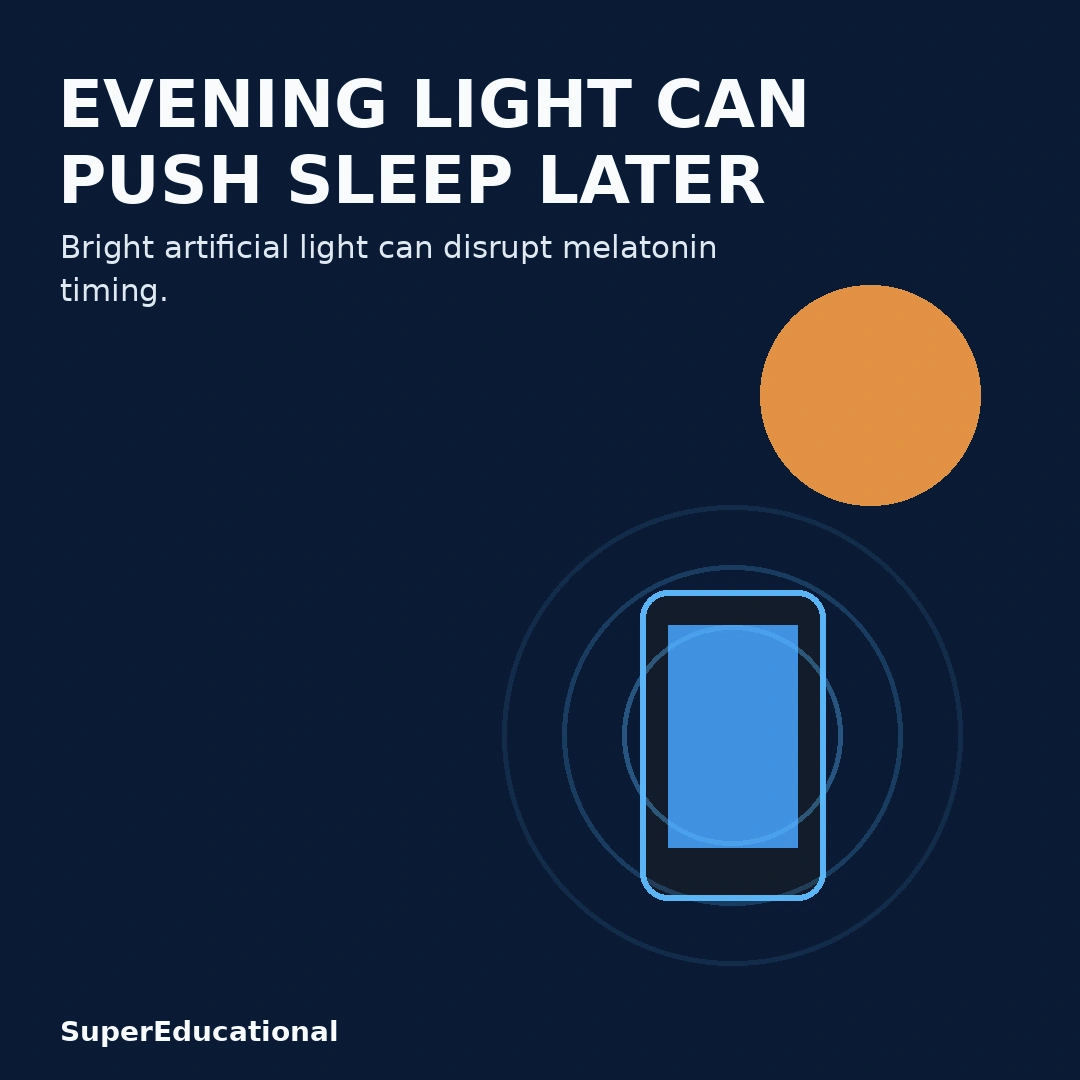
Evening Light Can Push Your Sleep Later — Here’s What It Does to Your Body Clock
Light does more than help you see. Evening exposure can tell your brain that the day is not over yet, affecting melatonin, circadian timing and when you naturally feel sleepy.

Pioneering cancer fighter sees promise beyond melanoma breakthrough
Pioneering cancer fighter sees promise beyond melanoma breakthrough File photo by Stephanie Mitchell/Harvard Staff Photographer Alvin Powell Harvard Sta...

Note to stressed parents: Instead of trying to be perfect, do this.
Note to stressed parents: Instead of trying to be perfect, do this. Experts offer tips for raising children while overwhelmed Anna Lamb Harvard Staff W...