Common Diseases and Their Causes: Evidence-Based Explanations and Essential Facts
Understand common diseases and their causes, from malaria and flu to hypertension, diabetes and heart disease, with symptoms, risk factors and prevention facts.
Heat exhaustion and heatstroke are not the same. This evidence-based guide explains symptoms, first aid, risk factors, acclimatisation and practical heat-illness prevention.
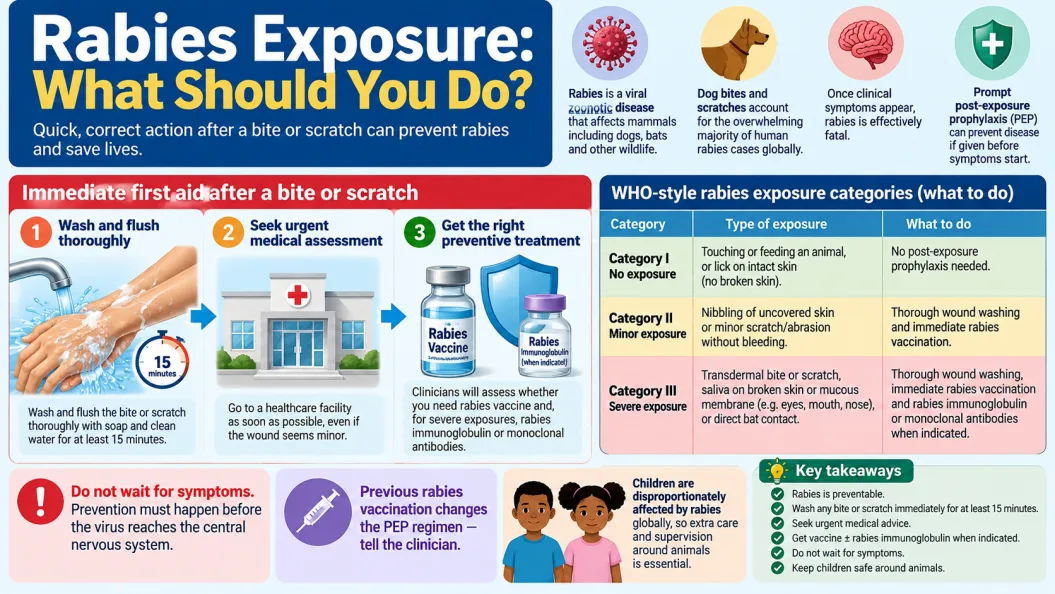
Learn what to do after a possible rabies exposure, how WHO exposure categories work, when vaccination and rabies immunoglobulin may be needed, and why you should never wait for symptoms.
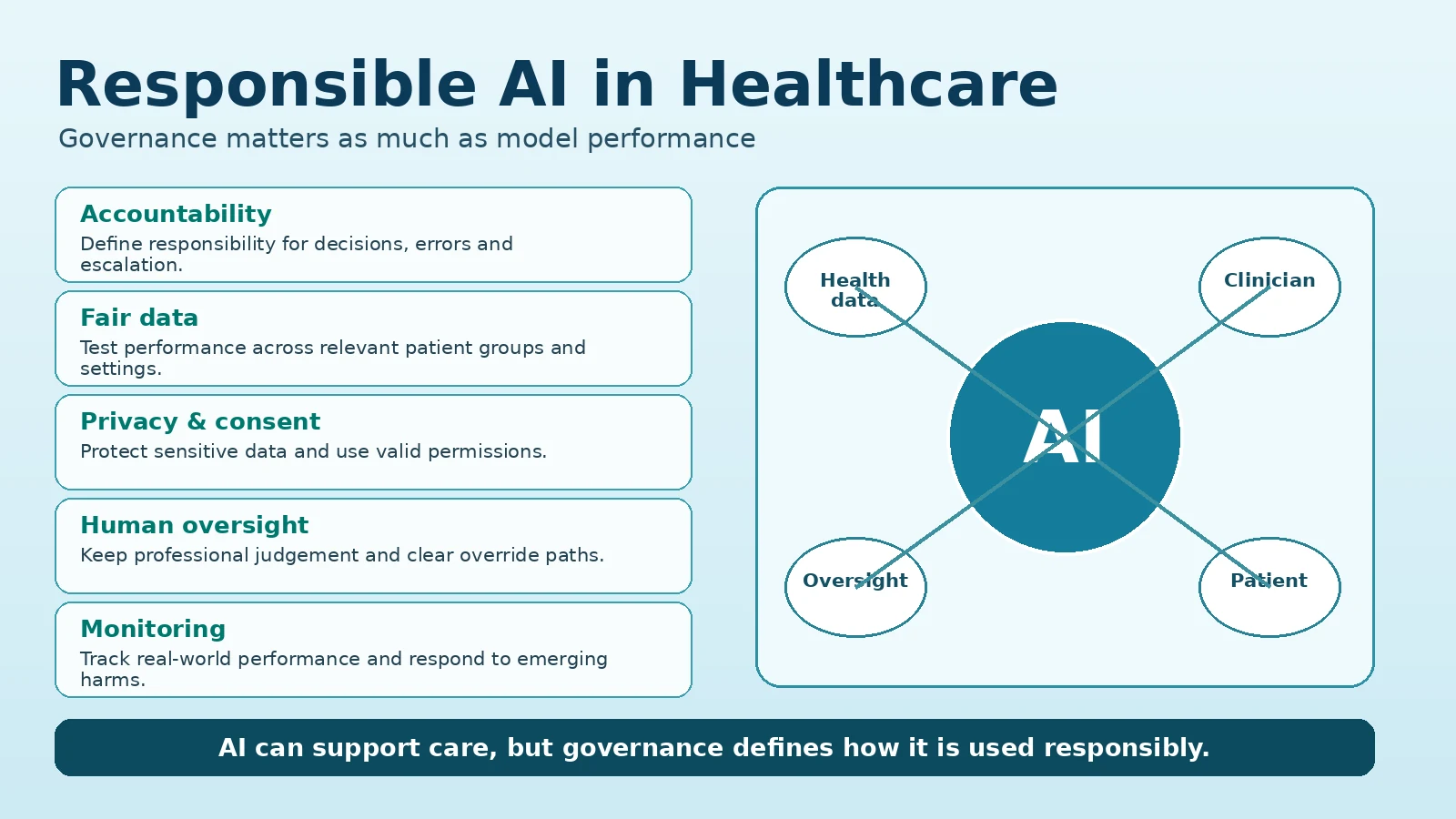
Responsible healthcare AI depends on more than model accuracy. Learn why governance, accountability, consent, fair data, oversight and AI literacy matter for safe and equitable use.
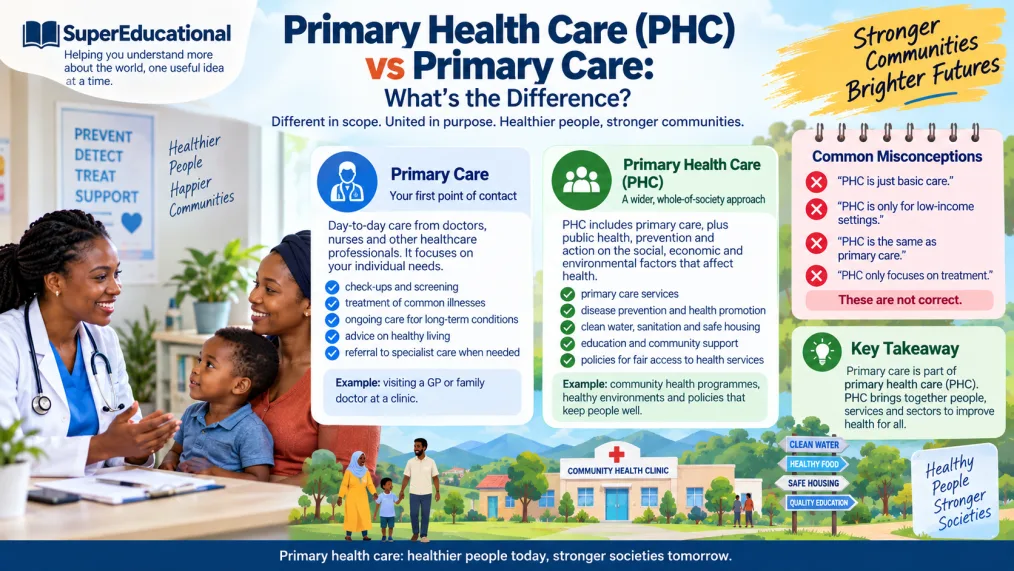
Primary care and primary health care are related but not the same. Learn the WHO-defined difference, the three components of PHC and how they work together.
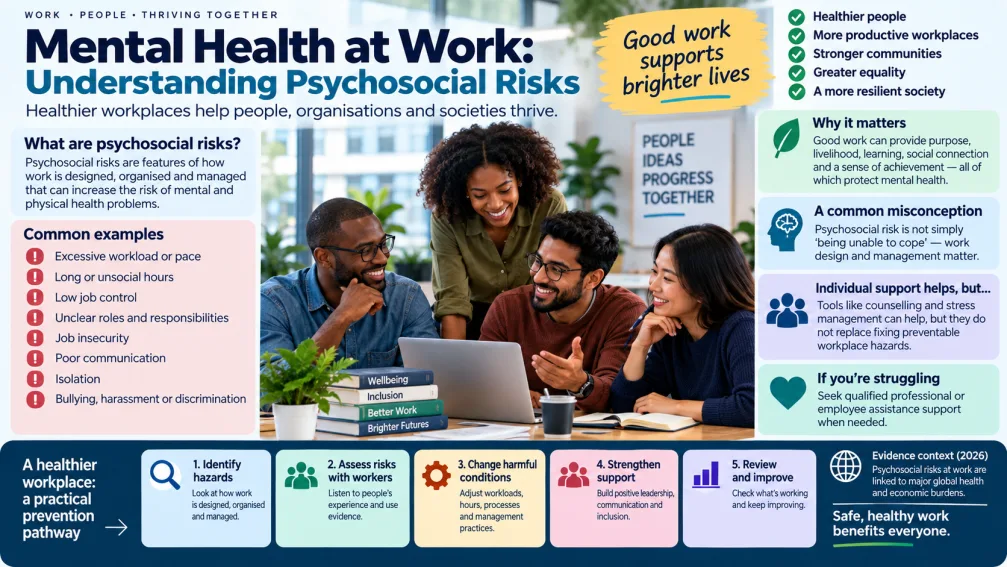
Learn what psychosocial risks at work are, common examples, why organisational prevention matters and how workplaces can identify and reduce harmful conditions.
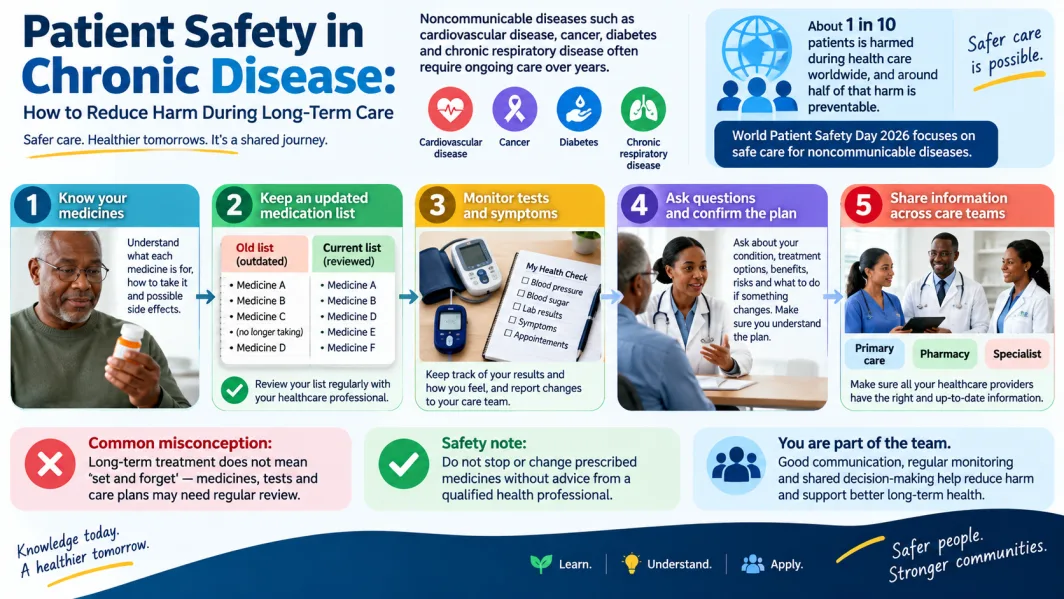
Long-term treatment creates repeated opportunities for medication errors, missed monitoring and communication problems. Learn practical patient-safety principles for chronic disease care.
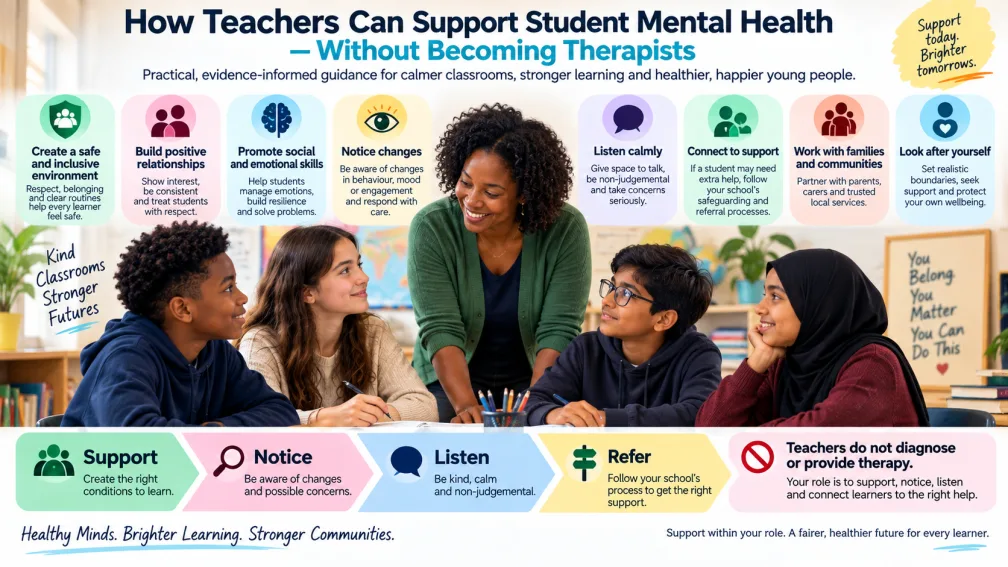
Teachers can support student mental health without diagnosing or providing therapy. Learn practical classroom strategies for safety, relationships, listening, referral and teacher wellbeing.
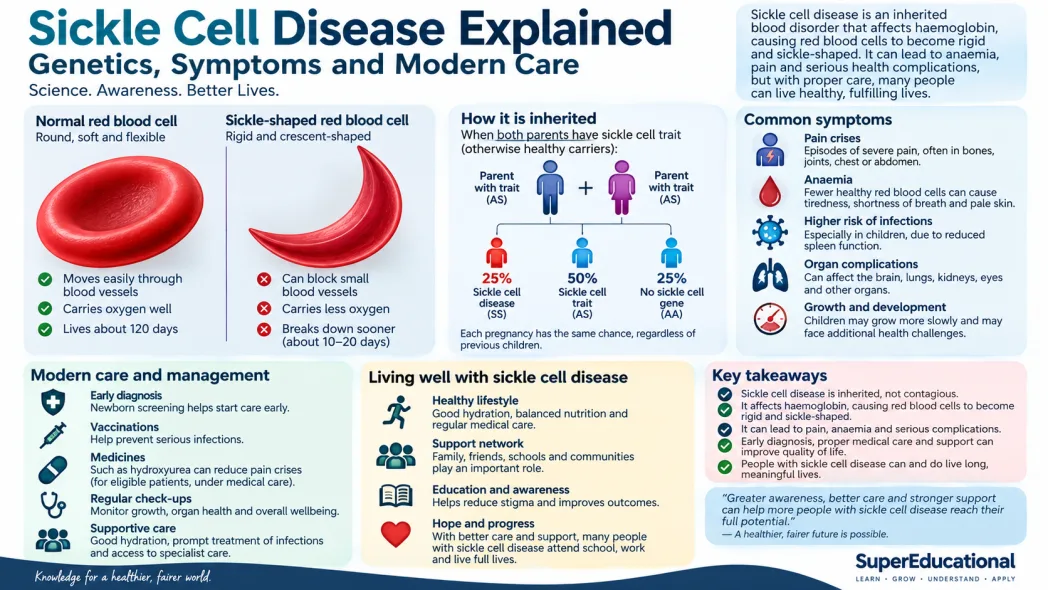
Sickle cell disease is an inherited blood disorder involving abnormal haemoglobin. This guide explains inheritance, symptoms, testing, complications and modern care.
You don't need to be sweating to lose water. Your body continuously loses fluid through breathing, urination and other normal processes, which is why hydration is about replacing losses rather than chasing a universal number.
Your hearing risk depends on more than volume. Learn why safe listening time falls sharply as sound levels rise and what you can do to protect your ears.