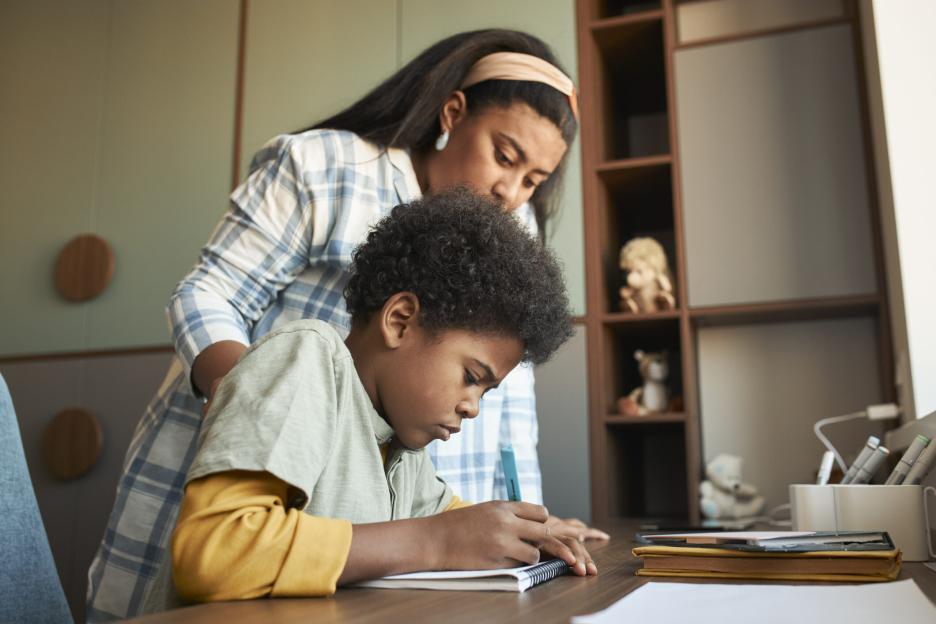
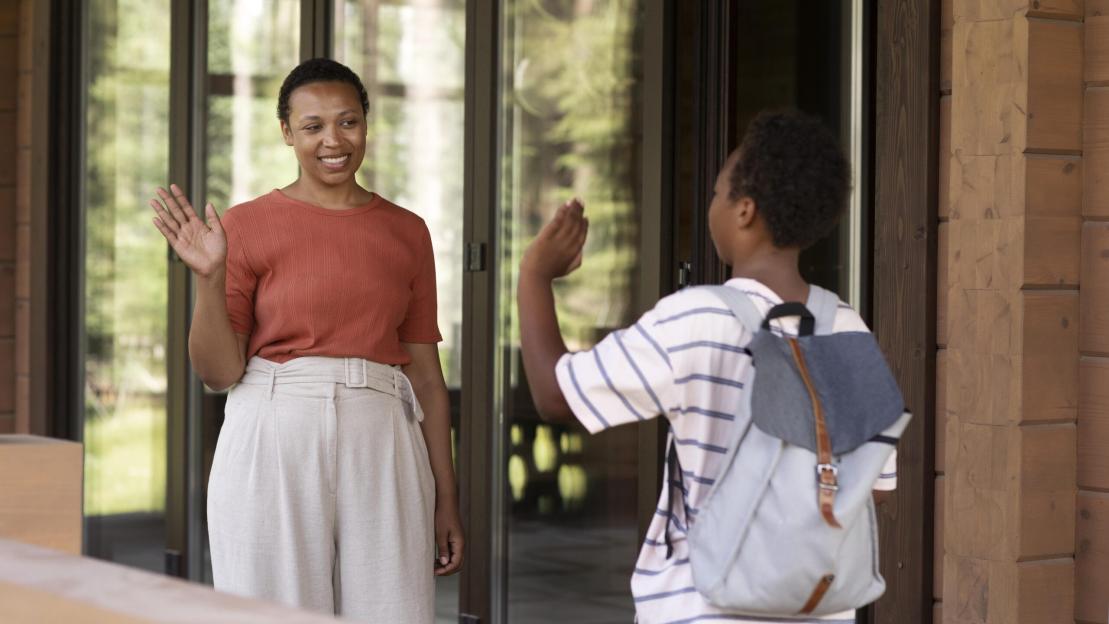
Good manners help children understand how to behave respectfully and confidently around other people.
They are not simply about memorising polite words. Good manners teach children how to communicate, respect boundaries, take responsibility, show kindness, and consider how their actions affect others.
Parents and caregivers can begin teaching these habits from an early age, but children learn best when adults model the behaviour they want to see.
Instead of expecting perfection, focus on repetition, encouragement, and age-appropriate guidance.
Here are 20 important manners every child can learn.
1. Saying “Hello” and “Goodbye”
Simple greetings help children acknowledge other people and feel more confident in social situations.
Encourage your child to say “hello” when meeting someone and “goodbye” when leaving.
Young or shy children may need time to become comfortable greeting unfamiliar people, so encouragement is often more effective than pressure.
2. Saying “Please” and “Thank You”
“Please” and “thank you” are among the simplest ways to show consideration.
Encourage your child to say “please” when making a request and “thank you” when someone helps them, gives them something, or does something thoughtful.
The easiest way to teach this habit is to use these words regularly yourself.
3. Saying “Excuse Me”
Teach children to say “excuse me” when they need to interrupt, move past someone, or accidentally bump into another person.
It gives them a polite way to get someone's attention without shouting or pushing into a conversation.
4. Addressing People Respectfully
Children should learn to address adults and other people in ways that are considered respectful within their family and culture.
That might include:
- Mr.
- Mrs.
- Ms.
- Sir
- Ma
- Auntie
- Uncle
- Professional titles
Different families and cultures have different expectations, so teach children to use the form of address that the person prefers.
5. Introducing Themselves
Knowing how to introduce themselves can help children feel more confident.
Teach a simple introduction such as:
“My name is David. Nice to meet you.”
As children grow older, they can gradually learn more formal ways of introducing themselves and other people.
6. Covering Coughs and Sneezes
Good manners also include consideration for other people's health.
Teach children to cover their mouth and nose with a tissue when coughing or sneezing.
If a tissue is not available, encourage them to cough or sneeze into their elbow rather than their hands.
They should also wash their hands afterwards when appropriate.
7. Showing That They Are Listening
Children should learn how to show someone that they are paying attention during a conversation.
This might include:
- Facing the person
- Listening without constantly interrupting
- Responding to what was said
- Putting distracting devices or toys aside when appropriate
Eye contact can be one way of showing attention, but children should not be forced to maintain it constantly. Some children communicate comfortably in different ways.
The important lesson is respectful attention.
8. Asking Permission
Teach children to ask before taking, borrowing, or using something that belongs to another person.
The same principle applies to people's personal space.
Questions such as:
“Can I use this?”
“May I borrow your pencil?”
“Can I give you a hug?”
help children understand both respect and consent.
9. Using Respectful Language
Children will eventually hear rude, insulting, or inappropriate language.
Rather than simply telling them that certain words are “bad,” explain that words can hurt, embarrass, or disrespect other people.
Teach them how to express anger and frustration without insulting others.
10. Returning Borrowed Items
If a child borrows something, teach them to take care of it and return it when promised.
They should also thank the person who allowed them to borrow it.
This helps develop responsibility and trustworthiness.
11. Giving a Genuine Apology
Children should learn how to apologise when they have hurt someone or made a mistake.
A meaningful apology involves more than automatically saying “sorry.”
Help them understand how to:
- Recognise what happened.
- Acknowledge how their actions affected someone.
- Apologise sincerely.
- Try to make things right.
For example:
“I’m sorry I broke your toy. I should have asked before using it.”
12. Giving and Receiving Compliments
Teach children how to notice and appreciate positive things about other people.
A simple compliment such as:
“I like your drawing.”
or:
“You did a great job.”
can help children practise kindness.
They should also learn how to receive a compliment politely with a simple “thank you.”
13. Disagreeing Respectfully
Children do not need to agree with adults all the time.
They should be allowed to ask questions, express concerns, and explain how they feel.
The important lesson is how to disagree respectfully.
Teach them to avoid shouting, insults, or disrespectful behaviour while still expressing their point of view.
For example:
“I understand, but can I explain why I disagree?”
Respect should work in both directions.
14. Knocking Before Entering
Knocking on a closed door teaches children about privacy and personal boundaries.
Encourage them to knock and wait for permission before entering bedrooms, bathrooms, offices, or other private spaces.
15. Practising Good Table Manners
Mealtimes provide many opportunities to practise consideration for others.
Depending on the child's age, teach habits such as:
- Washing hands before eating
- Sitting appropriately at the table
- Using utensils correctly
- Chewing with their mouth closed
- Avoiding talking with food in their mouth
- Asking politely for something to be passed
- Helping clean up afterwards
Table manners should be taught gradually rather than expecting young children to master everything immediately.
16. Never Making Fun of Others
Children should understand that mocking someone's appearance, abilities, background, accent, mistakes, or differences can be hurtful.
Encourage empathy instead.
Ask questions such as:
“How do you think that would make them feel?”
Teaching children to notice other people's feelings can be more effective than simply telling them not to tease.
17. Being Kind and Helpful
Kindness is one of the most valuable habits a child can develop.
Encourage children to look for appropriate ways to help, such as:
- Helping someone pick something up
- Holding a door
- Comforting a friend
- Helping with household tasks
- Including someone who feels left out
Small acts of kindness teach children that their behaviour can positively affect other people.
18. Using Good Phone Manners
As children begin using phones, teach them how to communicate politely.
They can learn to:
- Greet the caller
- Speak clearly
- Listen without interrupting
- Use an appropriate tone
- End the conversation politely
Older children should also learn digital manners, including respectful texting and knowing when phone use is inappropriate.
19. Learning to Share and Take Turns
Sharing can help children learn cooperation, but children should not be expected to give up every possession whenever someone asks.
A healthier lesson includes:
- Taking turns
- Sharing communal items
- Negotiating fairly
- Asking before using someone else's belongings
- Respecting when another child is not ready to share a personal item
This helps children learn generosity while also understanding boundaries.
20. Being Honest
Honesty helps build trust.
Encourage children to tell the truth, especially when they have made a mistake.
If children believe honesty will always result in anger or severe punishment, they may become afraid to admit what happened.
Try to create an environment where they understand that telling the truth is valued.
When your child is honest about something difficult, acknowledge it:
“Thank you for telling me the truth.”
That reinforces honesty as a positive behaviour.
How Parents Can Teach Good Manners
Children learn manners gradually.
They are far more likely to develop respectful behaviour when they regularly see adults practising it themselves.
If you want your child to say “please,” let them hear you say it.
If you want them to apologise, apologise when you make a mistake.
If you want them to listen respectfully, listen when they speak.
And when you notice good behaviour, acknowledge it specifically.
Instead of simply saying:
“Good job.”
Try:
“I noticed how politely you thanked her. That was very thoughtful.”
Positive reinforcement helps children understand exactly which behaviour you appreciate.
The Goal Is Respect, Not Perfection
Good manners should help children become kind, confident, considerate, and respectful people.
They should not make children afraid to speak, disagree, ask questions, or establish personal boundaries.
Teach manners patiently, model them consistently, and remember that children will make mistakes while they learn.
The goal is not to raise a perfectly behaved child.
It is to help raise a child who understands that their words and actions affect the people around them.